

GUANADREAMS CR PRIVATE EXPERIENCES · COSTA RICA
Reserve Now
Home
Experiences   ↳ Nature   ↳ Adventure   ↳ Ocean
Blog About Contact
Reserve Now 🌴

Best Time to Visit Guanacaste, Costa Rica

Aerial view of Guanacaste's Papagayo coast in the green season, lush and green — Costa Rica tour region

When should you visit Guanacaste? It’s the question every traveler asks when planning a Costa Rica trip, and the answer is more nuanced than most guides admit.

Guanacaste, on Costa Rica’s Pacific coast, experiences two distinct seasons: the dry season (December–April) and the green season (May–November). But here’s what most travel blogs won’t tell you: both seasons are worth visiting. The difference isn’t “good” or “bad”—it’s about matching the season to the experience you want.

As private tour operators based in Guanacaste for years, we’ve guided travelers in every month. We’ve seen families thrive in the dry season heat, and we’ve witnessed couples fall in love with the lush, quiet green season. The best time to visit Guanacaste isn’t a calendar date—it’s the season that aligns with your priorities: weather certainty, budget, crowds, or the specific experiences you’re after.

The Dry Season (December–April): Sunshine & Crowds
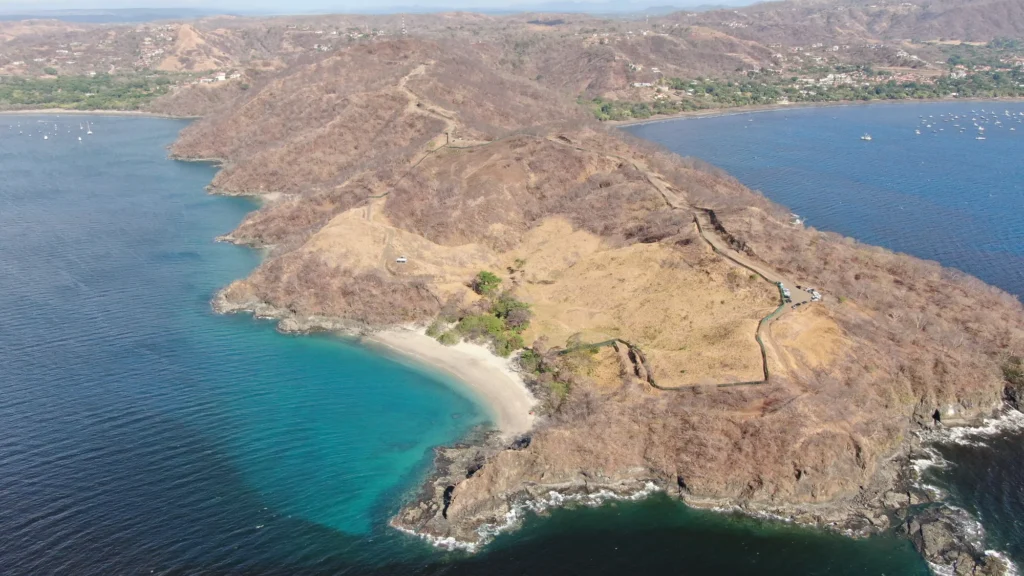
Aerial view of Guanacaste's Papagayo coast in the dry season, golden hills — Costa Rica tour region

Weather: Clear skies, minimal rain, warm temperatures (27–31°C / 80–88°F).
Crowds: Peak season. Expect higher prices and more tourists, especially December–January and around Easter.
Best for: First-time visitors, beach lovers, families wanting predictable weather, anyone nervous about rain.

Why the dry season wins for some travelers

If you’re worried about weather ruining your plans, the dry season removes that anxiety. You’ll have long sunny days, calm seas for water activities, and reliable conditions for hiking, ziplining, and outdoor adventures. The trails are dry, the beaches are swimmable, and the sun sets dramatically every evening.

  • December–January: The sweet spot of high season. Warm, dry, vibrant with holiday energy. Book early—this is peak.
  • February–March: Still excellent. Slightly less crowded than December, but still popular. Weather remains reliable.
  • April: The tail end of dry season and the hottest month. Temperatures peak (up to 35°C / 95°F), but it’s perfect for beach days. Toward late April, the first afternoon showers hint at the green season’s arrival.

The dry season is expensive. Hotels charge peak rates, tours fill quickly, and you’ll share popular spots with other tourists. If you’re budget-conscious or prefer solitude, this season comes with a cost.

The Green Season (May–November): Lush, Quieter, and Underrated
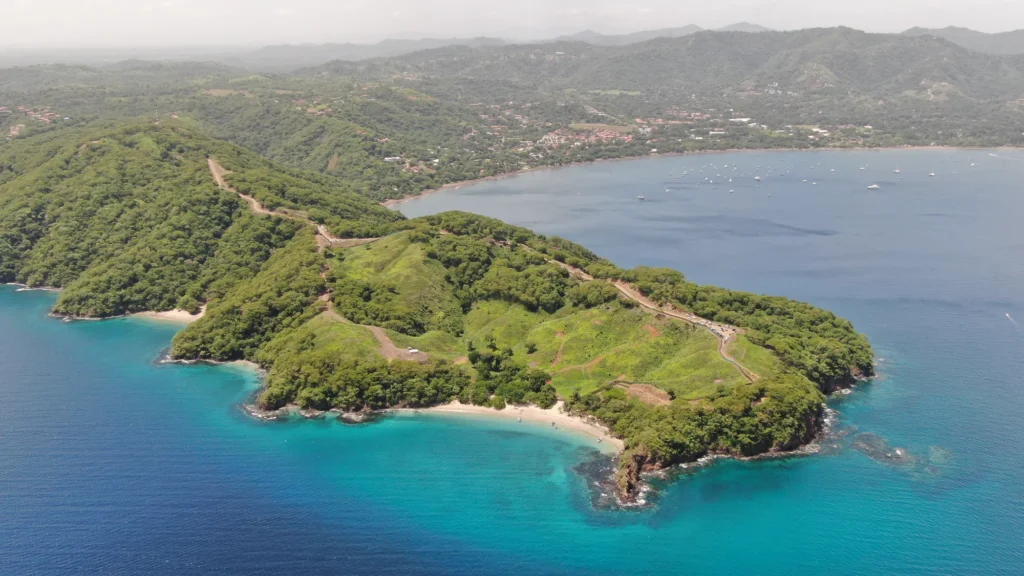
Aerial view of Guanacaste's Papagayo coast in the green season, lush and green — Costa Rica tour region

Weather: Afternoon showers (usually brief), mornings often sunny, temperatures warm and humid (25–30°C / 77–86°F).
Crowds: Low season. Fewer tourists, better prices, quieter experiences.
Best for: Nature lovers, photographers, budget travelers, wildlife enthusiasts, couples seeking intimacy.

The truth about rain in the green season

Here’s what guides rarely say: the green season doesn’t mean all-day rain. In Guanacaste, the typical pattern is sunny mornings and afternoon showers—often brief thunderstorms that cool everything down, not day-ruining downpours.

If you plan activities for the morning (which smart travelers do), you get full days of exploration. The afternoon rain? It’s actually a feature, not a bug. The landscape explodes into green. Rivers run full and dramatic. Wildlife is more active. Waterfalls are at their most spectacular.

  • May–June: The shoulder season into green. Mornings are mostly sunny, rain increases gradually. Prices drop. Great balance of weather and value.
  • July–August: Peak green season. Lush, vibrant, fewer crowds. Some afternoons have heavier rain, but mornings are solid. Waves pick up—surfers love these months.
  • September–October: The greenest and wettest months. Rain can be more significant, but the landscape is at its most alive. Wildlife thrives. Prices are lowest. For adventurous travelers, this is magical.
  • November: Transition month. Rain begins to ease, prices are still low, and the country is recovering from September’s heaviest rains. Underrated month.

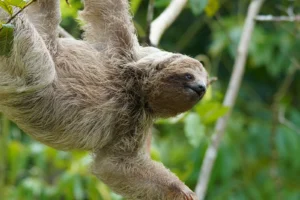
You’ll have trails, attractions, and restaurants largely to yourself. Prices drop 30–50% compared to dry season. The country feels more authentic—you’re not on a conveyor belt of tourists. And if you’re into wildlife, the green season is prime time. Birds sing more. Monkeys are more active. Sloths are visible. Rain brings life.

Guanacaste Month by Month

January in Guanacaste

January is the month of the wind. The northern trade winds arrive and everything bends to them. The dry forest begins to thin — not yet bare (that’s February and March), but the foliage is going, and the wetlands start to shrink. Out at sea, the same wind that dries the land pushes the warm surface water offshore and pulls cold, nutrient-rich water up from the deep: the Papagayo Upwelling, one of only three of its kind in the entire tropical eastern Pacific. One wind writes the whole month, on land and at sea.

There’s a smell, too. From January through April the mill at Hacienda El Viejo, near Filadelfia, is in full zafra — the sugarcane harvest — and the scent of fermenting cane drifts on the wind across Sardinal, Playas del Coco, Playa Hermosa and the Gulf of Papagayo. You can’t photograph it and you can’t Google it. It’s simply the smell of the dry season here.

The birds gather. As the wetlands recede, the water birds concentrate: wood storks by the hundred, herons, egrets, northern migrants, and the jabiru — the tallest flying bird in the Americas. These are the encounters at the heart of our private bird-watching & photography experiences.

The raptors follow the harvest. In the bajura, the Guanacaste lowlands, as the cane machines cut the fields, insects and rodents flee ahead of the blades and the raptors hunt in behind them. It’s in no guidebook. It happens every January. The snakes move, too, driven from cover by the constant wind — a gift if you’ve ever wanted to photograph one in the wild. And offshore, the whales: northern humpbacks with their calves, arrived from Oregon, California and southern Canada to breed in our warm bays. The upwelling that chills the sea is the same one that fills it with food.

Culture: Mid-month, Santa Cruz holds the Fiestas Típicas Nacionales (Jan 14–18), declared Intangible Cultural Heritage of Costa Rica — marimba, the tope horse parade, traditional food, and corridas a la tica where the bull is never harmed.

The honest part: January is also when the first dry-country fires appear. It’s the dry season, and it shows.

The verdict: Come — January is one of the best months to be in Guanacaste. Just go in with your eyes open on price: this is the country’s peak tourism demand, and lodging, dining and tours often run double or more what you’d pay in the green season. If guaranteed sunshine is worth the premium, January delivers it like no other month.

February in Guanacaste

If January is the month of wind, February is the month of sun and dust — the driest, sunniest stretch of the year, nearly ten hours of sun a day and rain measured in single millimetres. The wind is still strong (some years fiercer than January, some years gentler — it depends entirely on when the trade winds set in). The sea stays cool from the upwelling, the dirt roads turn dusty, and the landscape is now golden, not green — closer to an African savannah than a Caribbean jungle. Some visitors expect jungle and are surprised. We’d rather you arrive knowing.

Here’s what the golden forest gives you. The trees have dropped their leaves — and a bare forest is a forest where you can finally see. It’s the best month of the year for wildlife photography: no foliage in the frame, clean angles, hard dry-season light. And the bare forest isn’t dead — many of these trees photosynthesize through green, chlorophyll-rich bark, which is why the trunks glow faintly green. It’s also why they flower now: with no leaves to hide them, the blossoms advertise straight to their pollinators. Drive the back roads and the hills are dotted with yellow corteza amarilla and pink roble sabana, bare branches on fire with colour.

Palo Verde peaks. February and March are the climax of the great bird concentration on the Tempisque wetlands — up to 60,000–80,000 birds crowding the shrinking lagoons: roseate spoonbills, jabiru, wood storks, white ibis, herons, and American crocodiles on the mudflats. On the way we pass Hacienda El Viejo — the estate whose mill turns this province’s cane into nearly a quarter of Costa Rica’s sugar. Our Palo Verde & El Viejo experience takes you into the trapiche (the ox-driven cane mill), hand-pressed tortillas and aguadulce, an authentic rum experience from cane to barrel, and lunch in La Casona, a mid-1800s hacienda house — National Heritage — once home to two Costa Rican presidents and the Nicaraguan leader Somoza.

Still here from January: humpback whales with calves offshore, and the last leatherbacks nesting at Playa Grande, whose mangrove estuary we explore on our private Playa Grande canoe safari.

Culture: The Fiestas Cívicas de Liberia fill late February — horse parades, corridas a la tica, live music. It’s close to the coast; if your visit lines up, message us and we’re happy to take you.

The verdict: Come — February is the safest weather bet of the year, the peak of the Palo Verde spectacle, and the most photogenic the dry forest ever gets. The trade-off is the same as January: peak season, prices double or more versus the green months. You’re paying top rates — but February gives you the most for them.

March in Guanacaste

Is March too hot? Let’s be honest.

Yes, March is hot — the hottest month of the year, relentless sun, effectively no rain, rivers and waterfalls shrunk to their minimum. Some locals leave in March and April. We won’t tell you it’s “perfect.”

But two things change in March that no one mentions. First, the wind dies down. The Papagayo trades that blasted the coast since December begin to fall away — sometimes for hours, sometimes for days. Second, the heat and wind can be managed; rain can’t. That’s the honest answer we give couples asking about a March wedding: you’ll be warm, but you will not have your day washed out by a downpour or a lightning storm. Heat, you solve with air-conditioning and shade. Rain, you can’t solve at all. March gives you certainty — which for a wedding is worth more than comfort.

How to enjoy the heat: out before sunrise, shade and water from 11 to 3, back out for the last two hours of light. Nobody suffers — you just run the day in the right order.

And here’s March’s secret: it’s a safari. As the water holes shrink in the heat, the animals have nowhere else to drink — so they come to the water that’s left. Position yourself at the right pool and the wildlife comes to you: monkeys, deer, coatis, peccaries, and the birds crowding whatever water remains. It’s the same principle that fills the Serengeti’s waterholes in the dry season, and we do it often on our dry-forest bird-watching & wildlife outings.

The forest is at its most extreme now — completely bare, and still flowering: yellow, pink and white trees scattered across the brown hills. The leatherbacks are in their last stretch at Playa Grande, and the northern whales are still offshore as the sea begins to warm and calm.

A note on the dry forest itself. If you come to us for birding in the dry forest, you’re walking through something genuinely rare: the tropical dry forest is the most endangered major tropical ecosystem on Earth — more threatened than the rainforest — and Santa Rosa National Park protects the only complete, fully protected dry-forest ecosystem in all of Mesoamerica, from Mexico to Panama. It’s also where Costa Rica’s freedom was forged, at the Battle of Santa Rosa on March 20th, 1856 — the setting for our dry-forest birding at Santa Rosa.

Culture: Holy Week (Semana Santa, or Easter Week to many North American visitors) most often falls in March — Costa Rica’s busiest and priciest week after Christmas, when Tico families head for the coast. Book early, and expect company at the beach.

A heads-up: March is peak dust — bring a buff and eye protection for open-air tours — and the season of fires you’ll see and smell. The waterfalls (Llanos de Cortés, Rincón de la Vieja) are at their lowest, so if a big waterfall is on your list, we’ll tell you honestly and plan around it.

The verdict: Come if you want the driest, sunniest weather and the best dry-season wildlife concentration of the year — and if you don’t mind real heat. It’s still peak season on price. But for photographers, birders, and couples who want a guaranteed-dry celebration, March is hard to beat.

April in Guanacaste

April is the turning point — the hinge between the dry season and the green one. It’s the driest, one of the hottest stretches of the year: rivers and waterfalls at their lowest, the hills at their most golden. And then, usually in the last days of the month, the first rains arrive — short, scattered, mostly in the late afternoon. They don’t wash out your trip. They break the heat, settle the dust, and change everything.

The forest wakes before the rain. This is April’s quiet miracle: after months bare, the dry-forest trees somehow sense the coming rains and push out new, bright-green leaves before a single drop has fallen. The corteza amarilla and other trees flower on the turn. The brown hills begin, tree by tree, to green.

The smell of the season. Through April the zafra — the sugarcane harvest — runs to its close at the El Viejo mill, and the sweet scent of cane on the wind is, for us, the very signature of this region: the smell of the trade winds, the dry season, and Guanacaste itself. You won’t find it in any guidebook, because you can’t print a smell.

Last call offshore. April is your final window for the northern humpback whales — some are seen on their way out, beginning the long migration north with their calves. The season that opened in December closes now. The leatherbacks are in their last nights at Playa Grande, too, whose mangrove estuary we explore by private canoe.

The forest is still open, only just beginning to leaf out — so the dry-season wildlife visibility of February and March largely holds. Black spiny-tailed iguanas (garrobos) bask on every hot surface; monkeys, deer and coatis still work the shrinking water holes — prime time for our bird-watching & wildlife walks.

Culture — and an honest heads-up on Semana Santa. Holy Week (Semana Santa, or Easter Week as many North American visitors call it) usually falls in March, but when it lands in April, that week is different: Costa Rica’s own families head for the coast, and the popular beaches get genuinely saturated — packed, local, festive, but crowded. This is exactly the week a local guide earns their keep. We know which beaches fill and which stay quiet, and how to route a day around the crowds to the strategic, empty places. If you’re here for Holy Week, message us and come with someone who knows how the week moves.

The verdict: April is the connoisseur’s month. Hold out for the last week or two and you catch the best of both seasons — still sunny, the first cooling rains, the forest greening, whales on their way out, and (Holy Week aside) thinning crowds as high season ends. It’s hot, yes. But for travellers who want the dry-season light and the first breath of green, late April is a quiet sweet spot.

May in Guanacaste

May is the switch. After five months of dry, the first real rains arrive — in northern Guanacaste, our coast, later than anywhere else in the country, usually mid-to-late month. (April gives a few scattered drizzles; May is when the rainy season truly begins.) We call it the rainy season, but here that’s almost a misnomer: it’s the least rainy corner of Costa Rica, and the rain comes on a schedule you can plan around — bright, clear mornings, a warm shower in the late afternoon, and done. It turns humid, genuinely humid. But that’s the trade for what the rain brings.

And what it brings is a different world. Within weeks the golden, bare forest of March turns deep green. The hills, the pastures, the whole province go luminous — that magical green that photos never quite capture. If you saw Guanacaste in the dry season, you would not recognize it now. We’re among the very few who can show you both.

The forest wakes all at once. This is the miracle of May: the first rain flips a switch and life erupts. The abejones de mayo — May beetles — burst out of the ground with the first storms, clumsy and everywhere; for every Costa Rican, they are the sound and sight of the season turning. Baby garrobos (black spiny-tailed iguanas) hatch from the softening earth right as the rains begin. Frogs that were silent for months suddenly fill the night. The forest changes its soundtrack in a matter of days — the season we most love to share on our bird-watching & nature walks.

The sweet months. May is when the guayaba (guava) trees fruit and the trails fill with their unmistakable sweet scent — hikes become foraging, bags filling with ripe guava along the way, howler monkeys feeding on it overhead. The mangoes ripen too, and the white-faced capuchins go looking for them.

A note on the sea. Be honest with yourself about the ocean in May: the northern whales have gone (they leave in April), and it’s a quiet stretch for turtles before the big nesting season later in the year. The sea is calm and warming — lovely for a morning swim before the afternoon clouds — but May is a land month, not a marine one.

The smell of the season. If the dry season is the sweet smell of burning cane, the green season opens with the other great scent of Guanacaste: wet earth on the first rain. Two smells, two seasons. Nobody tells you a place by how it smells — but that’s how you remember it.

The verdict: May is the smart traveller’s secret. High season is over, so the crowds thin and the prices drop — often by a third or more — right as the land turns its most beautiful. You trade guaranteed sun and whales for green hills, full colour, active wildlife, and space to breathe. If you want Guanacaste at its most alive and its most affordable, and you don’t mind a warm afternoon shower, come in May. It’s one of our favourite months, and hardly anyone knows it.

June in Guanacaste

By June the green season is fully settled. The afternoon rains that started in May have brought the leaves all the way back, and Guanacaste is lush from end to end. But here that word “rainy” is almost misleading: this is still the driest corner of Costa Rica, and the rain keeps to a schedule you can plan a day around — clear, bright mornings, a warm shower in the late afternoon, and done.

The secret of late June: the Veranillo de San Juan. Around June 24th — the feast of Saint John the Baptist — Guanacaste gets a short, sunny break in the middle of the green season. The trade winds briefly return, the rains pause for a few days to a week, and the skies clear. Costa Ricans have marked this window for centuries; the meteorological service still names it. It doesn’t come exactly the same every year, but it lands hardest right here in the north Pacific. If you want green landscapes and sunshine, the last week of June is one of the best-kept secrets on the calendar.

The forest is alive and fed. June’s forest is full of fruit and new growth, and that pulls in the wildlife. Howler monkeys call across the canopy, white-faced capuchins work the branches, sloths tuck into the cecropia trees, and after the afternoon showers the frogs come out in force. In the fields, this is planting month — with the rains, farmers across the bajura sow their corn, and fresh elote (young corn) becomes the taste of the season. These are the encounters we build our bird-watching & wildlife walks around.

The rivers wake up. This is the flip side of March. Where the dry season shrank the waterfalls to a trickle, June’s rains bring them roaring back. The rivers of the Tenorio highlands run full, and Río Celeste — one of Costa Rica’s seven natural wonders — reaches its deepest turquoise. If a dramatic waterfall or a wild river is what you came for, the green season delivers what the dry season can’t. Explore Tenorio & Río Celeste on our rainforest experience.

A note on the sea. Be honest about June offshore: it’s the quiet stretch between the two whale seasons — the northern humpbacks left in April, and the southern ones don’t really reach our waters until August, and even then only lightly this far north. Dolphins are around year-round, but June is a land-and-river month, not a whale month.

The verdict: June is one of the smartest-value months of the year. High season is long over, so crowds are thin and prices low — and the land is at its greenest, the rivers at their fullest, and the wildlife well fed and active. Add the Veranillo de San Juan sunshine in the last week, and late June may be the single best green-season window we have. It rains in the afternoons. Everything else is upside.

July in Guanacaste

July is green season — but here in the north Pacific, that word needs an asterisk. This is one of the driest stretches of the whole “rainy” calendar. Around mid-month comes the canícula, a longer dry, sunny window that follows June’s Veranillo de San Juan; some years the two nearly join into one long spell of bright mornings and light afternoons. It’s the green landscape with much of the sunshine — one of the best-kept secrets on the calendar.

The canícula, and what our grandparents knew. Costa Ricans have a name and a whole folklore for this mid-summer dry spell. The old farmers called it a tiempo loco — “crazy weather” — and said the earth fell sick, the wind carried illness, wounds wouldn’t heal. Ask an elder here and you get the real story behind the myth: the canícula dried the young plantings out, so people simply didn’t sow during it — they harvested what they’d planted before, and waited. The superstition was farming wisdom in disguise. In our fishing town of Playas del Coco it meant something different again: the land didn’t suffer, but the wind came up hard, and heading out to fish through those gusts was the real challenge. That’s the kind of knowledge that lives in a place, not in a guidebook.

Corn month. The maize planted back in June comes in now, and the roadsides fill with local vendors selling everything the fresh elote can become — rosquillas de elote, pan de elote, corn in a dozen shapes. It’s the taste of July here, and pure Chorotega tradition.

The forest and the wildlife. The land is deep green and fed, and the canícula‘s clear mornings are prime time to be out: howler monkeys calling, capuchins in the canopy, sloths in the cecropias, frogs after the afternoon rain, and birds raising this season’s young. The rivers still run full — Río Celeste at its turquoise best. Explore Tenorio & Río Celeste on our rainforest experience. Our bird-watching & wildlife outings make the most of those bright mornings.

And offshore, the turtles begin. July is when the arribadas start — the mass nesting of olive ridley turtles on the Pacific. The truly enormous arrivals come August through November, and they run on the moon as much as the calendar, gathering around the last-quarter moon and the dark nights before the new moon. It’s why no one can promise you a date — you read the moon, not the calendar. One of only two arribada beaches in Costa Rica sits inside Santa Rosa’s dry forest at Playa Nancite; the famous one, Ostional, is a couple of hours south. Discover the dry forest on our bird-watching & wildlife experience.

Culture: the province’s proudest month. July 25th is the Annexation of the Partido de Nicoya (1824 — two centuries in 2024), popularly called Día de Guanacaste. It’s the day Nicoya and Santa Cruz voted, in an open town meeting, to join Costa Rica — peacefully, by choice, under the motto “De la Patria por nuestra voluntad.” Liberia holds the biggest celebrations: topes, corridas a la tica, marimba, folk dancing, fireworks. And earlier, on July 17th, our own Playas del Coco honors the Virgin of the Sea — fishermen carry her image out onto the water in a procession of boats. It’s a quieter tradition now than in my childhood, when this was a town of fishermen and the whole village turned out — but it’s still ours, and it still means everything to those of us who grew up with it.

The verdict: July may be the single smartest month to come. You get green landscapes with a real dry window (the canícula), the province at its most festive and proud, thin green-season crowds, low prices, and the turtle season just beginning. It’s Costa Rica school-holiday time, so expect Tico families at the beaches — book ahead. But for green, sun, culture, and value all at once, July is hard to beat.

August in Guanacaste

By August the green season is in full swing, and here’s a confession: it’s one of our favorite months to be a guide. When February and March push past 35°C, August sits around a fresher 30°C — humid, yes, but cooler and gentler than the first hard rains of May and June. The land is deep green, the rivers run full, and there is something simply magical, for anyone who loves nature, about watching the water run and the animals thrive in it.

The pattern still favors you. Clear, workable mornings, showers in the afternoon. It rains more than July — the canícula‘s dry window has closed by now — but the rain rarely ruins a well-planned day, and it’s what keeps everything lush.

The forest is at its richest. Months of rain have made the canopy dense and the waterfalls thunderous. Howler monkeys call, capuchins work the branches, sloths hang in the cecropias, blue morpho butterflies drift through the understory, and the frogs are loud after every shower. It’s one of the best wildlife-watching stretches of the whole year. Explore Tenorio & Río Celeste on our rainforest experience. Our bird-watching & wildlife walks are at their fullest now.

The great arribada scales up. August is when the olive ridley turtle nesting shifts from the tens of thousands into the hundreds of thousands. The truly enormous arrivals peak in September and October, but by August the spectacle is well underway — turtles coming ashore over several nights, timed to the dark of the moon, around the last quarter and the nights before the new moon. No one can promise you a date; you read the moon. One of only two arribada beaches in the country, Playa Nancite, sits protected inside Santa Rosa’s dry forest; the famous Ostional is a couple of hours south. Discover the dry forest on our bird-watching & wildlife experience.

And now, the whales. From about August the southern humpbacks — the ones that migrate up from the waters off Antarctica — begin reaching our coast, and they stay into October. The great whale spectacle of Costa Rica is really in the South Pacific, around Uvita and the Osa, where the numbers are highest. But they reach our own Gulf of Papagayo too, in smaller numbers, and on a sunset boat outing this time of year you may well catch them. (Dolphins — spotted and bottlenose — are here all year regardless.)

Culture and the fields. The corn keeps coming; fresh elote runs right through the rainy season. And though the great national pilgrimage to the Virgin of Los Ángeles on August 2nd centers on Cartago, its devotion reaches here too — some make their own romerías to local churches that carry her name. August 15th, Mother’s Day, is a family holiday across the country.

The verdict: August is green-season value at its best: fresher air than the dry-season furnace, low prices, thin crowds, the forest and rivers at their fullest, the turtle arribadas building toward their peak, and the first southern whales offshore. It rains most afternoons — that’s the deal — but for a nature lover, August in Guanacaste is, quietly, one of the most rewarding months of the year.

September in Guanacaste

Let’s be honest right away: September is the rainiest month of the year. There’s no spin to put on that — it’s the truth, and you deserve it straight. But two things make September one of the most rewarding months on the calendar for the traveler who knows what they’re doing.

First, “rainiest” here still means Guanacaste. This is the driest region in the country, even now. The pattern holds: mornings are usually workable and often bright, and the rain comes in the afternoon and night. It’s cooler, too — around 25°C, a relief from the dry-season furnace. And because most visitors stay away, you get the whole place to yourself: empty beaches, empty trails, the lowest prices of the year, and a forest at its most electric green. For photographers and nature lovers who don’t mind an afternoon downpour, this solitude is the reward.

Second, this is peak wildlife. September is the climax of the great turtle arribada — the mass nesting of olive ridley turtles builds now toward its yearly maximum, hundreds of thousands of them, timed to the dark of the moon. One of only two arribada beaches in the country lies protected inside Santa Rosa’s dry forest at Playa Nancite. Discover the dry forest on our bird-watching & wildlife experience.

And the migrants arrive. September opens Costa Rica’s autumn bird migration — the first waves of warblers, flycatchers, swallows, vireos and raptors pouring down from North America, with the bulk settling in by October. If you’re a birder chasing a long list rather than a clean photograph, this is the start of the richest window of the year: the resident birds plus the northern migrants, together, through November. Many of them funnel into the Tempisque wetlands around Palo Verde. Visit the Tempisque wetlands on our Palo Verde & El Viejo experience. (For photographing birds against a bare canopy, that’s March. For seeing the most species, it’s now — on our bird-watching outings.)

The proudest party of the year. September 15th is Costa Rica’s Independence Day, and here the whole month feels like a celebration. On the evening of the 14th the national anthem plays at once on every radio and television in the country — the entire nation stops and sings together — and then the Desfile de Faroles, the lantern parade, fills the streets: children carrying handmade paper lanterns through the night, honoring those who once waited in the dark for the news of freedom. In Playas del Coco and every town around, the children rehearse for months, the streets close, the school bands march, and the folk dance of our own province — the Punto Guanacasteco — is danced in the parades. Visitors who happen to be here for it never forget it; there is no more Costa Rican thing to witness than how we celebrate this day.

The verdict: September is the month for the traveler who’s in on the secret. Yes, it’s the rainiest — that’s the honest price. But you pay it in exchange for the lowest prices of the year, near-total solitude, the greenest forest, the peak of the turtle arribadas, the first of the migrant birds, and the most heartfelt national celebration on the calendar. Plan your days around the mornings, let the afternoon rain fall, and September gives you a Guanacaste almost no other visitor sees.

October in Guanacaste

October is the rainiest month of the year. We won’t dress that up — it’s the truth. But here’s what the guidebooks miss: the rain is the reason to come, not the reason to stay away. Rain on the rainforest, rain sweeping across the savanna — it turns the whole landscape into something magical, something that quiets you. It’s a thing you feel more than explain. The forest is at its deepest green, the rivers run high, the air is washed clean, and there is almost no one else here to see it.

The honest logistics. October is the low point of the tourist year — the lowest prices, the emptiest beaches and trails, and yes, some hotels and businesses on the coast close for the season, and the odd tour (rafting especially) can be called off when a storm rolls through. The pattern still holds most days — workable mornings, rain in the afternoon and night — but plan for water, and plan your outings early. This is a month for the traveler who comes for nature first.

And nature delivers like no other month. The great turtle arribada hits its yearly maximum now — hundreds of thousands of olive ridleys, timed to the dark of the moon, one of Earth’s largest wildlife events, on beaches including protected Nancite inside Santa Rosa. Discover the dry forest on our bird-watching & wildlife experience. And on October 20th, the giants arrive: the leatherback turtles — the largest sea turtles on the planet, up to 1.8 metres and 680 kilos — begin coming ashore at Playa Grande, an hour and a half from Playas del Coco, to nest just as they have for a hundred million years. It’s the second-largest leatherback nesting site in the world. Paddle the Playa Grande estuary on our wildlife canoe safari.

Overhead, a river of birds. October is the peak of the great raptor migration — millions of hawks and vultures streaming south toward South America, spiralling in kettles of thousands on the rising thermals. It’s among the largest bird movements on Earth. Among them is the Swainson’s hawk — the very same bird that, come January, you’ll find hunting behind the cane machines in our lowlands. In October it’s passing through by the thousand; in January it’s home in our fields. And on the ground, the winter migrants have settled in among the residents: this is the fullest the birding gets all year. Join our bird-watching & wildlife experience. The swollen rivers make it the best month for a wetland boat tour at Palo Verde, too — crocodiles, iguanas, and birds in every direction. Visit the Tempisque wetlands on our Palo Verde & El Viejo experience.

The verdict: October asks the most of you and gives the most back. It’s the wettest, quietest, cheapest month — some places shut their doors, and you’ll want good rain gear and morning plans. But in exchange you get the greenest Guanacaste there is, the peak of the turtle arribada, the first great leatherbacks at Playa Grande, a sky full of migrating raptors, and a stillness the high season never knows. For a nature lover who isn’t afraid of a little rain, October is quietly one of the most magical months of the year.

November in Guanacaste

If May is the door into the green season, November is the door back out. This is the turning month — and one of the most quietly rewarding of the whole year. The rains drop off sharply, from the seventeen-plus rainy days of September and October to only about eight now, and our coast is the first in the country to dry out. By the end of November it can go days without a drop; the humidity eases, the air itself feels a little different, and the sunsets turn spectacular.

The best of both seasons at once. The forest is still lush and deep green from months of rain, the waterfalls still run full, Río Celeste still glows — but the sun comes out more and more, and the mornings turn reliable. It’s the last quiet month before December’s crowds arrive, and the green-season prices are still in effect. For a traveler who wants green landscapes, working weather, low prices, and empty trails all in one trip, November is arguably the sharpest value on the calendar. Most people just don’t know it yet.

The wildlife stays rich. The winter migrant birds have settled in now among the residents, and Palo Verde begins its long climb toward the great dry-season bird congregations — this is where the wetland birding season opens. Visit the Tempisque wetlands on our Palo Verde & El Viejo experience. The forest is still full of life, but now you can explore it under mostly sunny skies, on our bird-watching & wildlife walks.

On the beaches, the giants. November is a strong turtle month: the last of the great olive ridley arribadas of the year, and the leatherbacks — the largest sea turtles on Earth — building through their nesting season at Playa Grande, an hour and a half up the coast, toward their December–January peak. Paddle the Playa Grande estuary on our wildlife canoe safari.

And in the fields, the harvest. November is when the postrera crop comes in — the beans and corn planted after the mid-season winds, now dried and gathered as the land turns from wet to dry. It’s the close of the farming year in the lowlands, the fields going quiet before the dry months. (This is cattle-and-cane country, after all — the government’s own maize studies use the fields of Sardinal, right here, as their example.)

The verdict: November may be the best-kept secret of the Guanacaste calendar. You get the green of the rains and the return of the sun in the same trip, the humidity dropping, the crowds still gone, the prices still low, and the wildlife — birds and turtles both — still rich. It’s the shoulder month that gives you nearly everything and asks very little. If you want the “real,” lush Guanacaste without the rain of the deep green season or the crowds and prices of the dry, come in November.

December in Guanacaste

December is where the year comes full circle. The northern trade winds return — the same Papagayo winds that will define January — and with them comes a feeling every guanacasteco knows. The forest still holds its leaves this early, and when the wind moves through them, that dry rustling sound is the sound of Christmas coming: family arriving from the city, the town filling with visitors, the year winding down. The dust rises, the air turns fresh, and something in that breeze tells you the holidays are here.

The dry season returns. Early December can still catch a late shower, but by mid-month the skies clear. The forest begins its slow turn toward gold, especially across the open savannas. The sea calms and clears as the rivers stop feeding it sediment — good for snorkeling again. And offshore, the whales come back: the northern humpbacks, down from Alaska and California to calve in our bays, just as the water turns cold again. The same whales that open our January. Paddle the Playa Grande estuary on our wildlife canoe safari.

On the beaches, the giants peak. December and January are the height of the leatherback season at Playa Grande — the largest sea turtles on Earth, nesting by night at one of the world’s most important beaches, an hour and a half up the coast.

And the cane begins. December is when the zafra starts — the sugarcane harvest. Drive past the fields around the canals as the machines are cutting and you’ll catch it: not the sweet fermenting smell of high season yet, but the green, fresh scent of just-cut cane. Where the harvest is still done by hand, they sometimes burn the leaf off the cane first; where it’s mechanized, the machine simply cuts. Either way, the season of the cane has begun. Visit the Tempisque wetlands on our Palo Verde & El Viejo experience.

The warmest month, in every sense. Christmas is a big celebration here in Guanacaste — the trees go up, the houses are decorated, the pasito (nativity) is set beneath the tree. Families gather for a full day to make tamales — corn masa filled with pork, wrapped in plantain leaves, exchanged between neighbors — the taste of the whole year’s corn coming home for Christmas. In the towns, the festive spirit blends with the old rural traditions: marimba, local rodeos, toros a la tica (where the bull is never harmed), food cooked over a wood fire. It’s warm, rustic, and deeply Guanacaste.

The honest word on cost and crowds. December has two faces. Through about the first three weeks, it’s still calm and affordable — dry, festive, and not yet overrun. But from roughly the 20th through New Year’s, this becomes the busiest, priciest stretch of the entire year: the town swells, the hotels fill to the top, and rates run double or more what you’d pay in the regular or green season. Our honest advice: come in the first three weeks of December, or after the holidays pass. But if you love a real celebration — the festivity, the fireworks, the crowds and the joy of it — the holidays here are wonderful. Just come knowing what it costs.

The verdict: December closes the circle. The winds return, the forest golds, the northern whales come back, the leatherbacks peak, the cane starts, and the warmest festivities of the year fill the towns. Come in the first three weeks for calm and value, or dive into the holidays if celebration is what you’re after. Either way, December is Guanacaste saying goodbye to one year and hello to the next — with the wind at its back.

Best for beaches: December–April (dry season).
Best for wildlife: May–November (green season—animals are more active and visible).
Best for waterfalls: May–November (water volume is dramatic).
Best for hiking: December–April (no mud, clear views).
Best for surfing: July–November (bigger swells arrive).
Best for budget: September–October (lowest prices, though highest rain).
Best for mix of activities: May–June or November (shoulder seasons—good weather, manageable crowds, reasonable prices).

Guanacaste by the Numbers: Temperature & Rainfall

MonthAvg. HighAvg. LowRainfall (mm)Vibe
December31°C23°C50Peak season starts
January31°C22°C40Driest, busiest
February31°C22°C30Excellent, less crowded than Jan
March32°C23°C20Hot, dry, Easter crowds
April33°C24°C80Hottest month, first showers
May31°C24°C200Green season begins, refreshing
June31°C24°C250Lush, afternoon rains
July31°C23°C220Green, surfers arrive
August31°C23°C240Peak green, active wildlife
September30°C23°C300Greenest, wettest, cheapest
October30°C23°C280Still green, rain beginning to ease
November30°C23°C150Transition, fewer tourists, good weather

The Honest Answer: When Should You Visit?

Choose the dry season (Dec–Apr) if: it’s your first time in Costa Rica and weather certainty matters; you have young children and want predictable conditions; you’re a beach person; or you don’t mind paying peak prices.

Choose the green season (May–Nov) if: you want to see the “real” Costa Rica—lush, alive, quieter; budget matters; you love wildlife and nature photography; you’re flexible with afternoon showers; or you want authentic, less-touristy experiences.

Choose the shoulder season (May–June or Nov) if: you want the best of both—decent weather, fewer crowds, and reasonable prices.

Our Philosophy: Every Season Has Magic

At Guanadreams CR, we design private experiences around the season you choose. Raining this afternoon? We’ll explore the misty cloud forest in the morning and relax in natural hot springs after the showers pass. The dry season too hot? We start early, stay hydrated, and time sunset activities for the cooler evening air.

The “best” time to visit Guanacaste isn’t about the calendar—it’s about what moves you. And we’re here to make sure that whatever season you choose, your trip becomes exactly what you imagined.

Ready to Plan Your Guanacaste Adventure?

Whether you’re chasing dry season sunshine or green season waterfalls, our private experiences are tailored to your season, your pace, and your interests.

👉 Learn about our Guanacaste experiences · Read our complete Guanacaste travel guide · See our 7-day itinerary.

Inspired? Let us plan your trip.