



November is the month Guanacaste turns from green back to dry. Rain drops to about eight days, down from seventeen-plus in September and October, and by the end of the month it can go days without a drop. The forest is still lush, waterfalls still run full, and green-season prices are still in effect before December's crowds. Wildlife stays rich: the winter migrant birds have settled in, Palo Verde's wetland birding season opens, and the last big olive ridley arribadas of the year come ashore. Best tours this month: a Palo Verde river cruise, birding and wildlife walks, and Río Celeste. Best for: travelers who want green landscapes, working weather and low prices in one trip.
From green season to dry
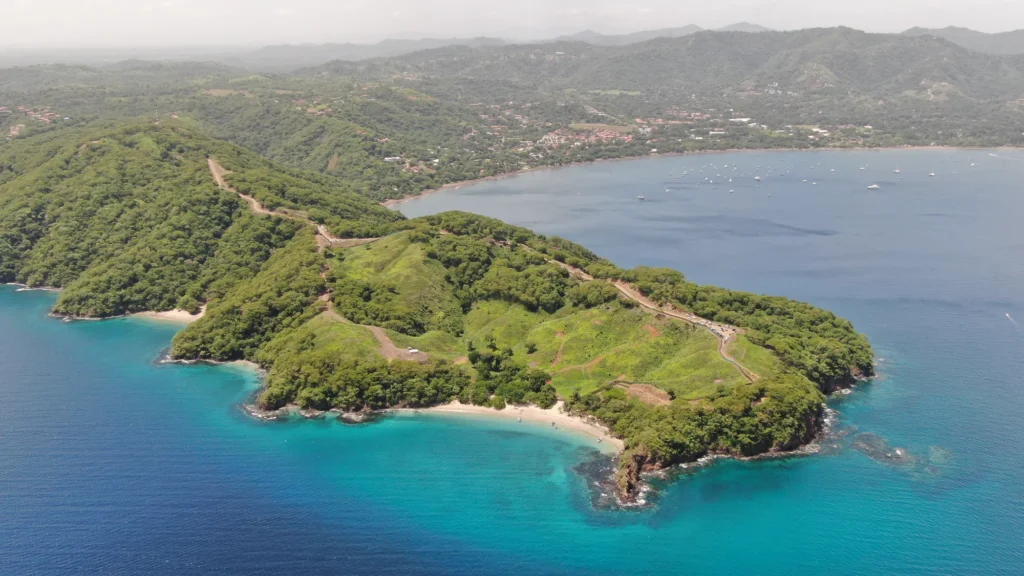
If May is the door into the green season, November is the door back out. This is the turning month — and one of the most quietly rewarding of the whole year. The rains drop off sharply, from the seventeen-plus rainy days of September and October to only about eight now, and our coast is the first in the country to dry out. By the end of November it can go days without a drop; the humidity eases, the air itself feels a little different, and the sunsets turn spectacular.
The best of both seasons at once
The forest is still lush and deep green from months of rain, the waterfalls still run full, Río Celeste still glows — but the sun comes out more and more, and the mornings turn reliable. It’s the last quiet month before December’s crowds arrive, and the green-season prices are still in effect. For a traveler who wants green landscapes, working weather, low prices, and empty trails all in one trip, November is arguably the sharpest value on the calendar. Most people just don’t know it yet.
Wildlife: migrant birds and Palo Verde
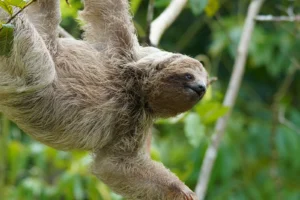
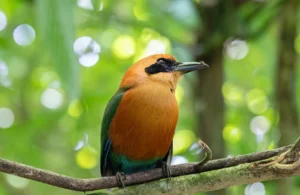
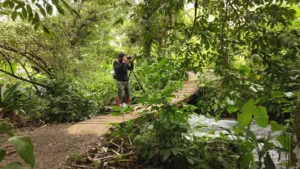
The winter migrant birds have settled in now among the residents, and Palo Verde begins its long climb toward the great dry-season bird congregations — this is where the wetland birding season opens. Visit the Tempisque wetlands on our Palo Verde & El Viejo experience. The forest is still full of life, but now you can explore it under mostly sunny skies, on our bird-watching & wildlife walks.
Turtles: the last arribadas and the leatherbacks
November is a strong turtle month: the last of the great olive ridley arribadas of the year, and the leatherbacks — the largest sea turtles on Earth — nesting at Playa Grande, an hour and a half up the coast. Their numbers in the Eastern Pacific have fallen sharply, so seeing one is now a rare privilege. Paddle the Playa Grande estuary on our wildlife canoe safari.
In the fields: the postrera harvest
November is when the postrera crop comes in — the beans and corn planted after the mid-season winds, now dried and gathered as the land turns from wet to dry. It’s the close of the farming year in the lowlands, the fields going quiet before the dry months. (This is cattle-and-cane country, after all — the government’s own maize studies use the fields of Sardinal, right here, as their example.)
Is November worth it?
November may be the best-kept secret of the Guanacaste calendar. You get the green of the rains and the return of the sun in the same trip, the humidity dropping, the crowds still gone, the prices still low, and the wildlife — birds and turtles both — still rich. It’s the shoulder month that gives you nearly everything and asks very little. If you want the “real,” lush Guanacaste without the rain of the deep green season or the crowds and prices of the dry, come in November.
← October · Full month-by-month guide · December →
Planning a November trip? Design your experience with us →
By the Guanadreams team, led by Miller Contreras — naturalist guide, born and raised in Guanacaste.