
NATURE · GUANACASTE
Wetlands, Dry Forest & Mangrove Birding
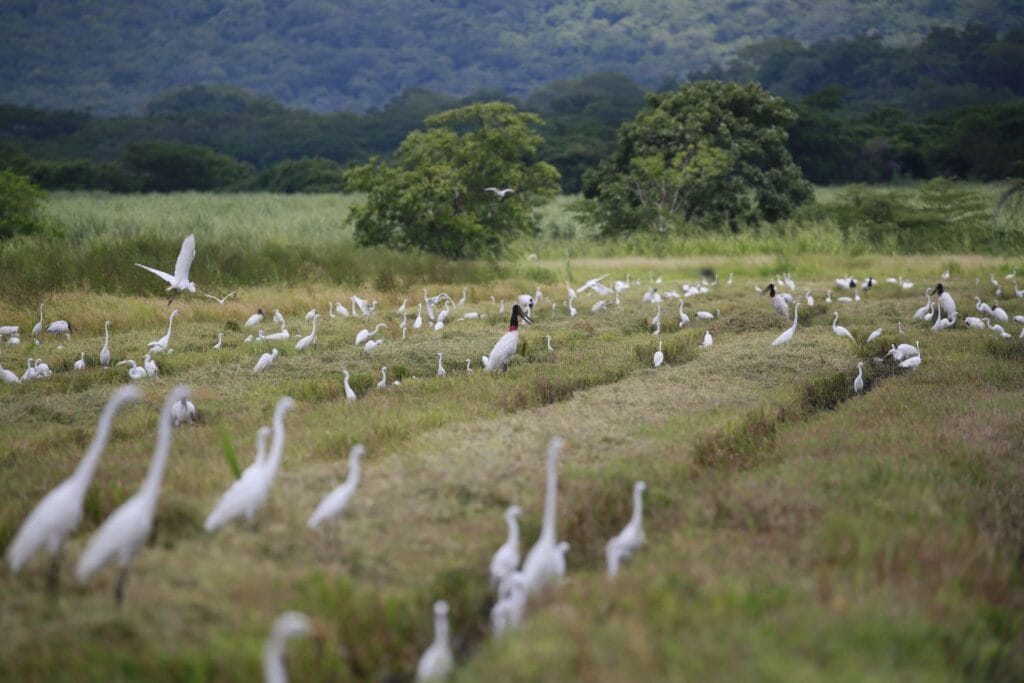
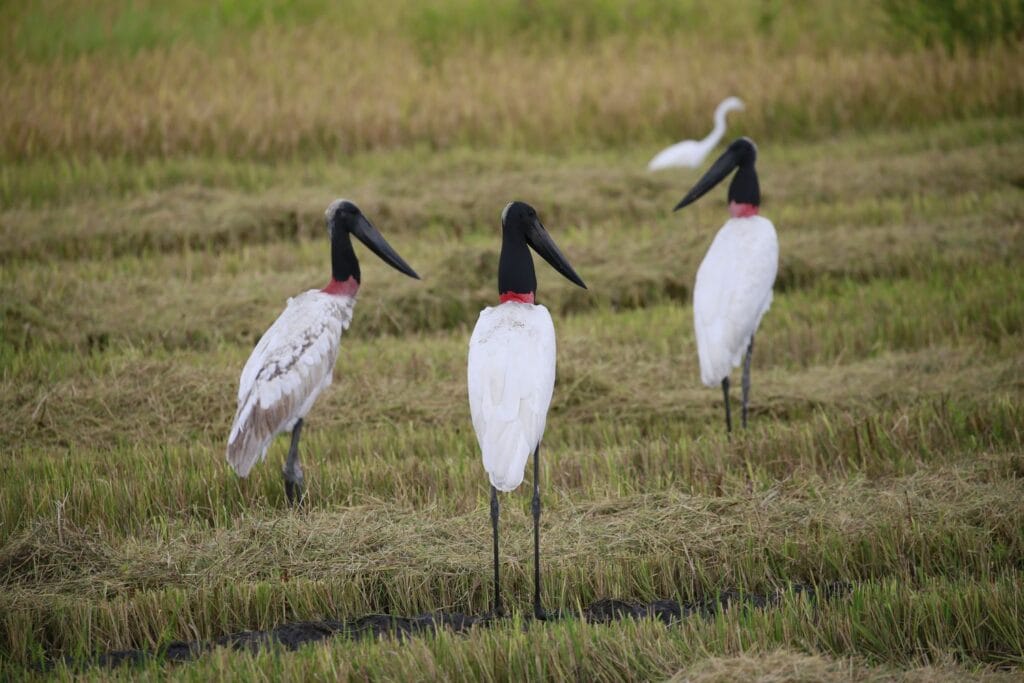
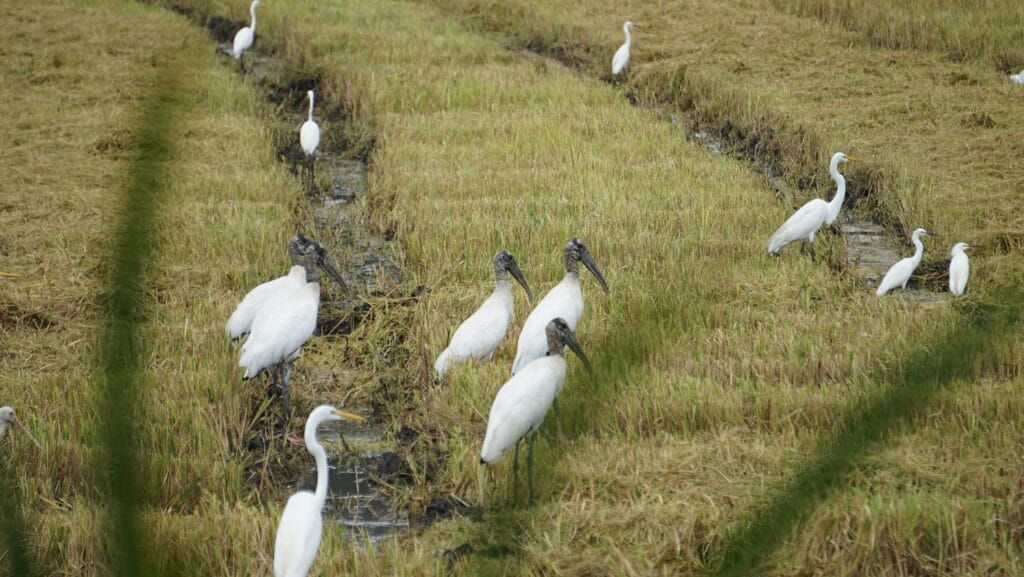
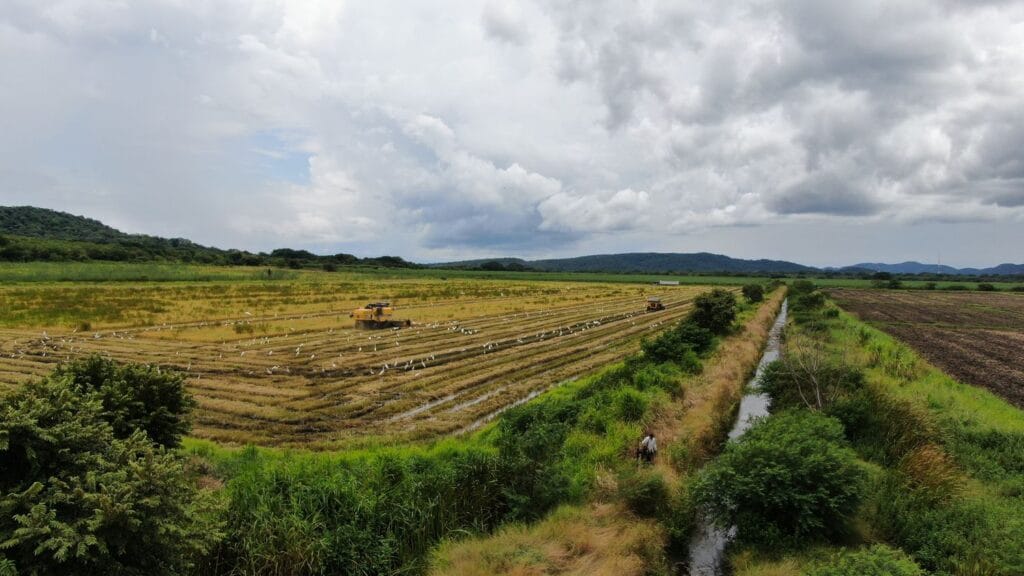
Down in Guanacaste's lowlands, three habitats sit close together and each one holds birds the others don't. We work the wetlands of Palo Verde — a Ramsar site where, in the dry season, thousands of waterbirds crowd the shrinking lagoons — then the flooded rice fields of the Tempisque, and the coastal mangroves of the Gulf of Papagayo. The prize is the jabiru, Central America's tallest wading bird and Palo Verde's rarest jewel, but you'll also find roseate spoonbills sweeping the shallows, wood storks stalking the mud, and the mangrove hummingbird — found nowhere on earth but Costa Rica's mangroves. December through March is the peak, when resident, breeding, and migrant birds all crowd in at once. Your guide knows the tides, the back channels, and the trees the big birds return to.
Wetlands, dry forest and mangrove birding covers three lowland habitats of Guanacaste, Costa Rica, in one private day: the Palo Verde wetlands, a Ramsar site where waterbirds crowd the shrinking lagoons in the dry season; the flooded rice fields of the Tempisque; and the coastal mangroves of the Gulf of Papagayo — home of the jabiru. With a bird-specialist naturalist guide, from $700 per private group of 2.
Duration
Full Day
Group
Private
Guide
Birding Guide
Level
Easy
Type
Photography Tour
What birds will you see in the Guanacaste wetlands?
- Birding across three habitats — Palo Verde wetlands, the Tempisque rice fields, and the Gulf of Papagayo mangroves
- The jabiru — Central America's tallest wading bird and Palo Verde's rarest prize
- Roseate spoonbills, wood storks, and herons crowding the dry-season lagoons
- The mangrove hummingbird — endemic to Costa Rica's mangroves
- A guide who reads the tides, the channels, and the feeding trees
Good to Know
- Best months: December–March (peak — residents, breeders, and northern migrants together)
- The dry season shrinks the lagoons and concentrates the birds — easier sightings and photos
- Early starts; the mangroves work best on favorable tides
- Over 300 species pass through this corridor across the year
- Bring binoculars, sun protection, water, closed shoes, and a long lens if you have one
Book direct with the operator
- We run these tours ourselves. No middleman, no reseller.
- Private from two people — no minimum group to fill, no strangers in your van.
- The price you see is the price you pay: taxes and door-to-door pickup included.
Photos from the Wetlands & Dry Forest
Frequently Asked Questions
When is the best time of year for this tour?
December through March is the peak, when resident, breeding, and northern migrant birds all overlap and the dry season concentrates them in the shrinking lagoons. November and April are also excellent, and the mangroves stay productive into May–August for nesting.
Where does the tour take place?
Across three habitats in Guanacaste’s lowlands: the Palo Verde wetlands (a Ramsar site), the flooded rice fields of the Tempisque (around Bagaces and Filadelfia), and the mangroves of the Gulf of Papagayo (Playa Panamá, Playa Hermosa, Iguanita, Cabuyal).
What are the star birds?
The jabiru, roseate spoonbill, and wood stork in the wetlands; the endemic mangrove hummingbird and the boat-billed heron in the mangroves; plus hard-to-find species such as the pinnated bittern in the rice fields.
Is it walking or by boat?
Mostly easy, flat walking. A boat segment — through the mangroves or along the Tempisque — can be added depending on your itinerary and the species you most want to see.
Do I need to be an experienced birder or photographer?
Not at all. All levels are welcome, any camera works, and your guide adapts the pace and shares hands-on photography tips.
When do we have to cancel by?
Twenty-four hours before your tour begins, counted from the start time and not the day. Cancel before that and you get a full refund.
How much does the private Wetlands & Dry Forest birding day cost?
Our private Wetlands & Dry Forest birding day starts at $700 per private group of 2 guests, taxes included. It is a full-day experience and it is 100% private: your naturalist guide, transportation and route are yours alone. The price includes a private naturalist guide specialized in birds, private transportation, park entrances, binoculars and a spotting scope, bottled water, snacks and lunch. We offer hotel pickup from Tamarindo, Las Catalinas, Reserva Conchal, the Riu resorts at Playa Matapalo, Playas del Coco, Playa Hermosa, Playa Panamá, Liberia and the Papagayo Peninsula. We’ll confirm your exact quote on WhatsApp based on your group size and pickup location.
Three Forests, Three Bird Lists
Guanacaste and its highlands hold three distinct forest types within a few hours of each other, and the birds change completely between them. Most visitors only ever see one. If you have more than a single morning, pairing two of these gives you a species list you cannot build in any one of them alone.
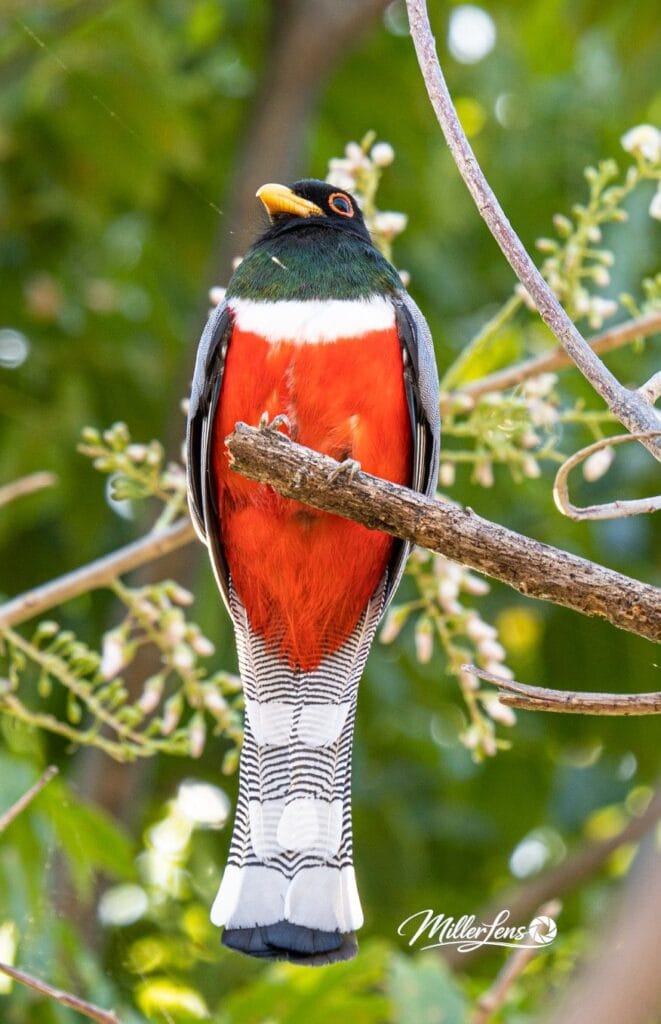
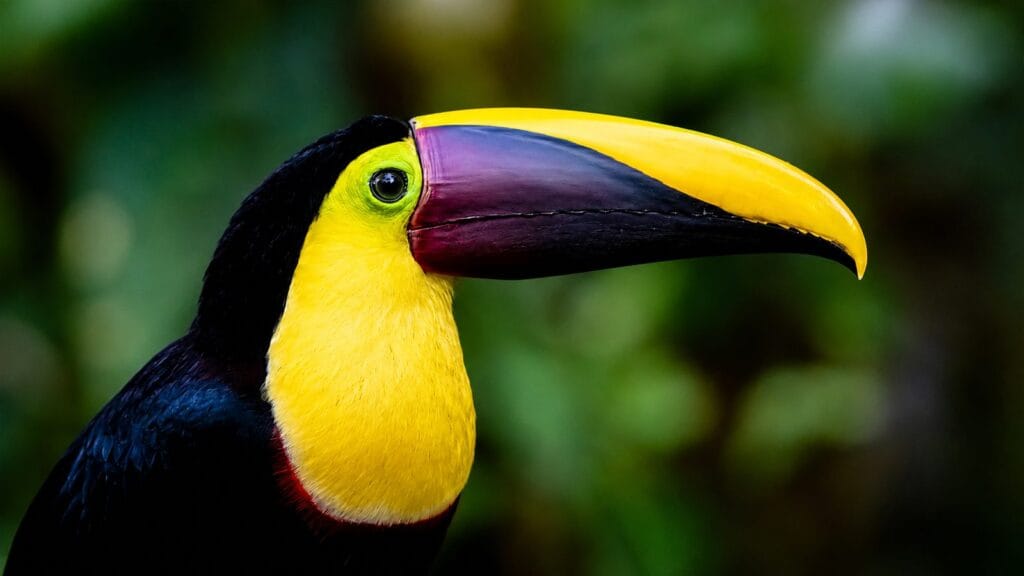
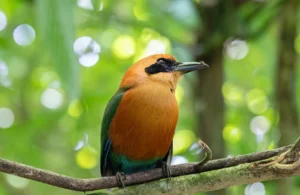
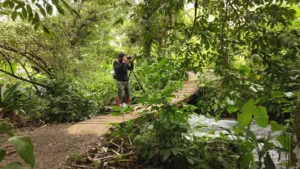
Wet, dense and loud — toucans, oropendolas, motmots, manakins and trogons in the rainforest near Río Celeste. A full day, and the richest single list of the three.
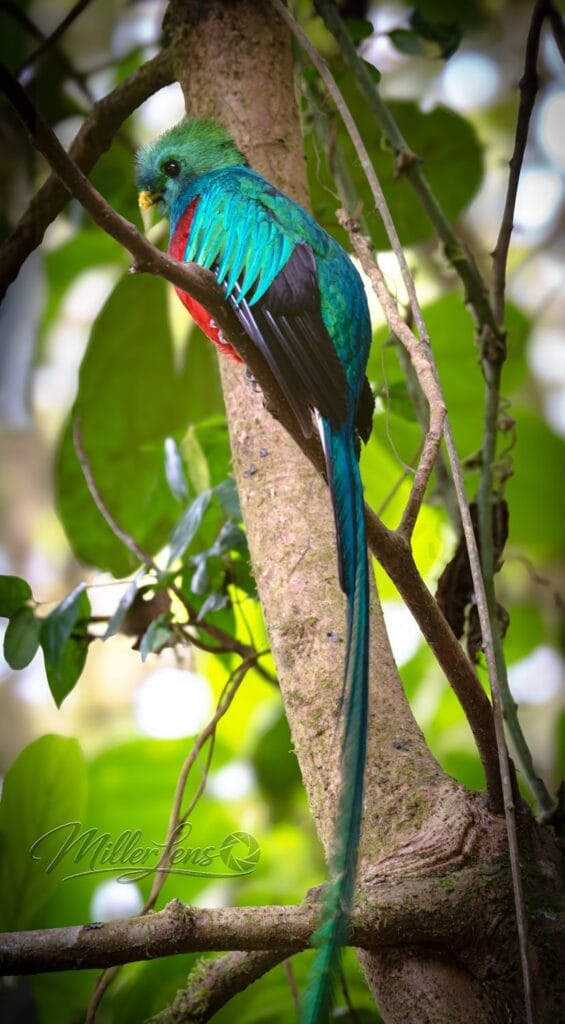
Higher, cooler and often in mist. A different family of birds altogether — the highland specialists you will not find down on the coast.
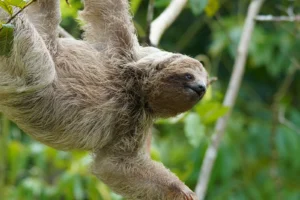
“We had an excellent guide, named Miller. We went to a private property in the dry rainforest and we saw sloths, birds, frogs, butterflies, beautiful scenery and we learned a lot about the flora and fauna. We saw lots of birds — including hummingbirds — butterflies, parrots and so much more. Along the way, we found two trees full of Toucans! It was worth the whole vacation!”

TripadvisorVerified reviewReady for your private birding experience?
Tell us your group’s pace and we’ll build the private day around it.
More than 300 five-star reviews on Tripadvisor. Our guides’ eBird lists are public — you can read them before you write.
Prefer a form? Write to us here →
Or write to us
By the Guanadreams team, led by Miller Contreras — naturalist guide, born and raised in Guanacaste.
Part of our Nature Experiences · Bird Watching in Costa Rica