
NATURE · COSTA RICA
Rainforest Birding & Photography
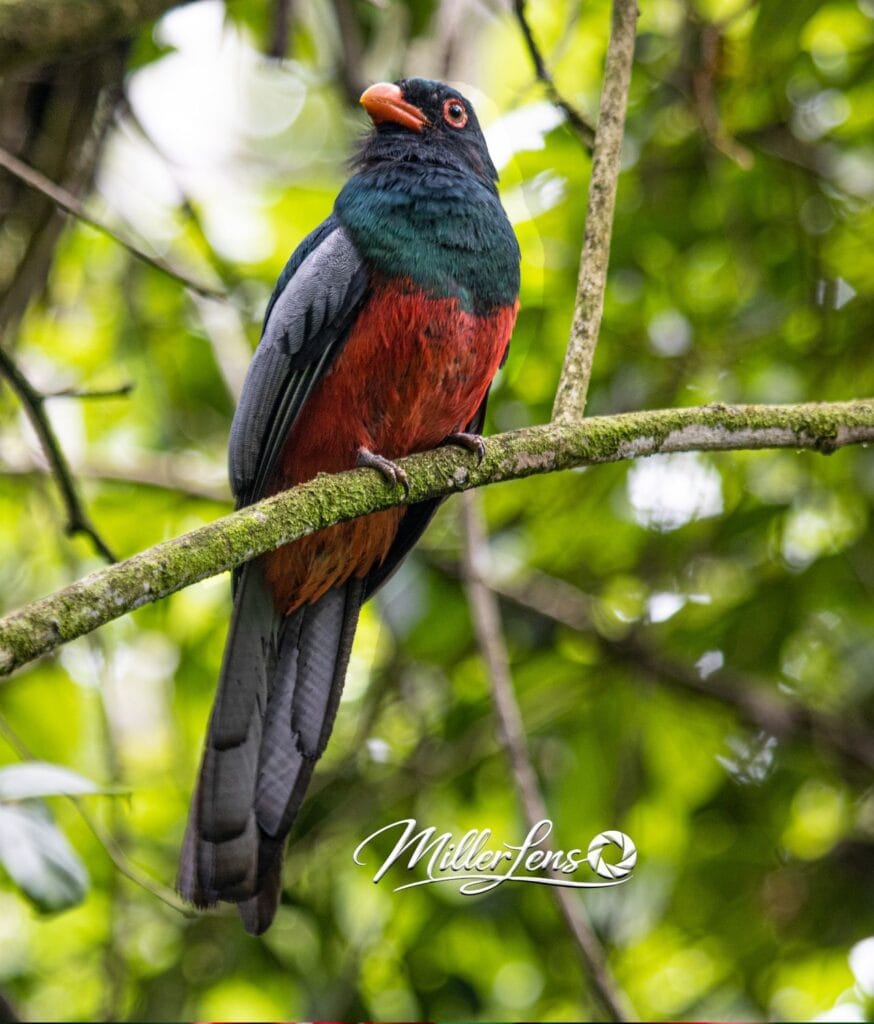
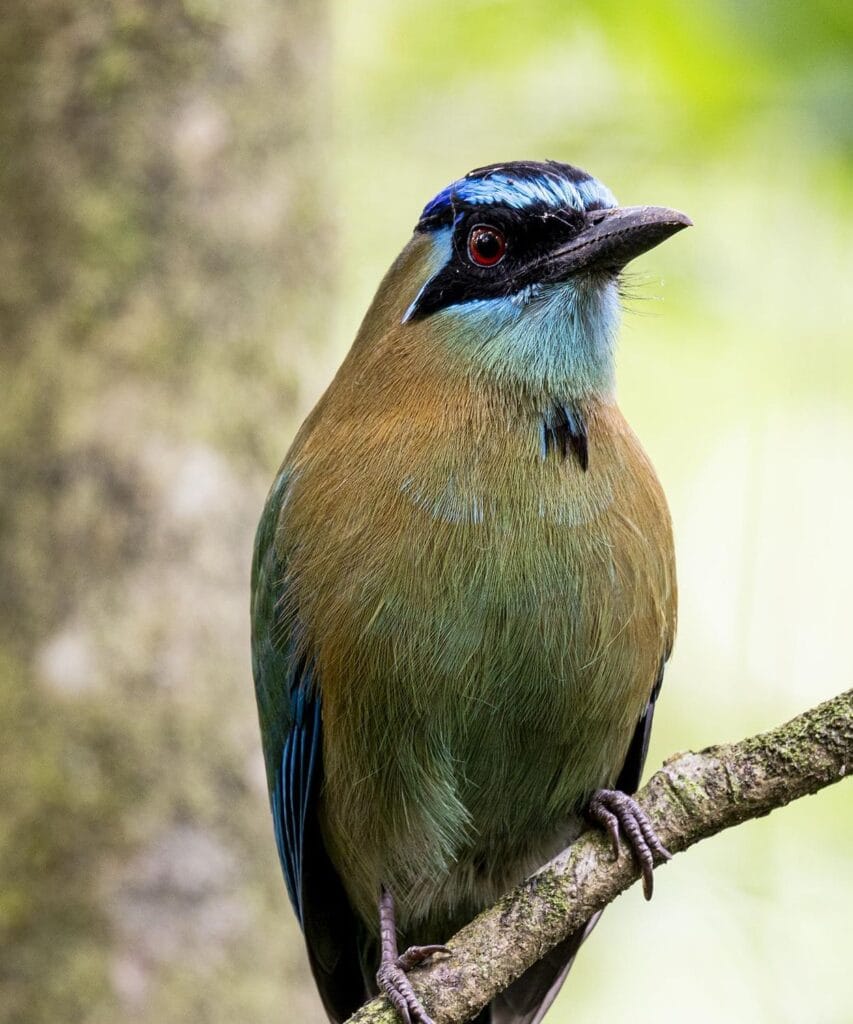
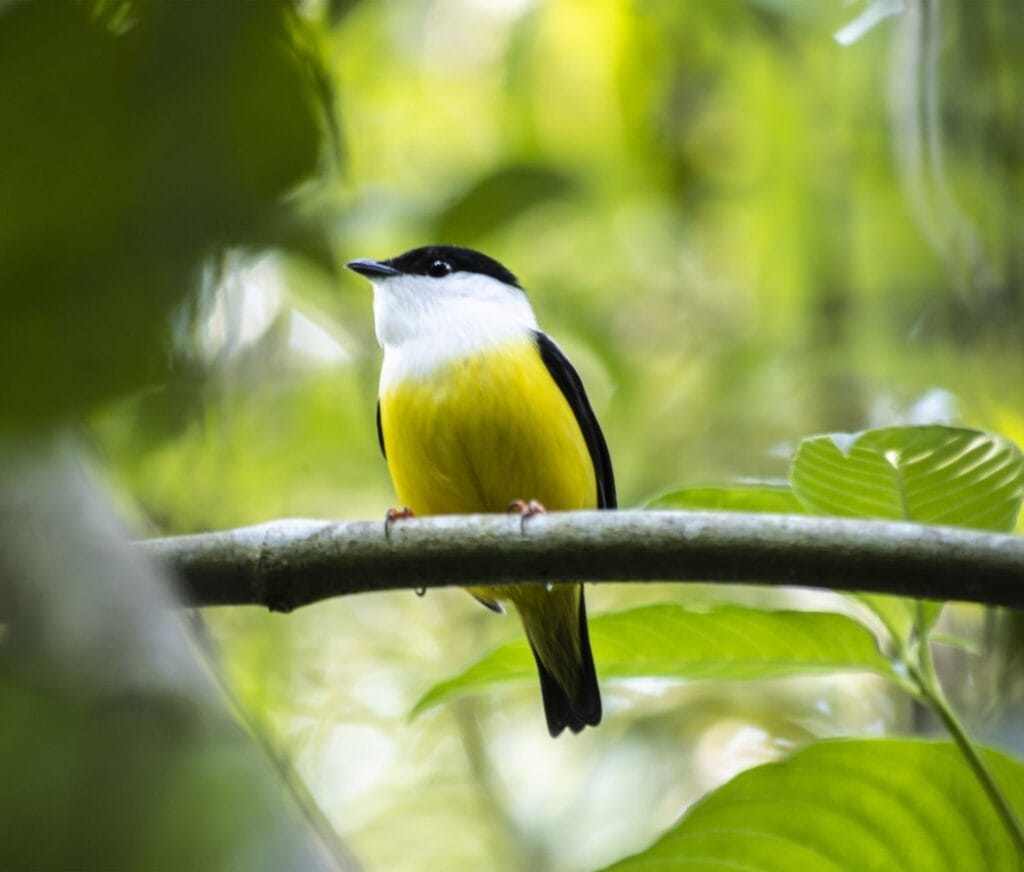
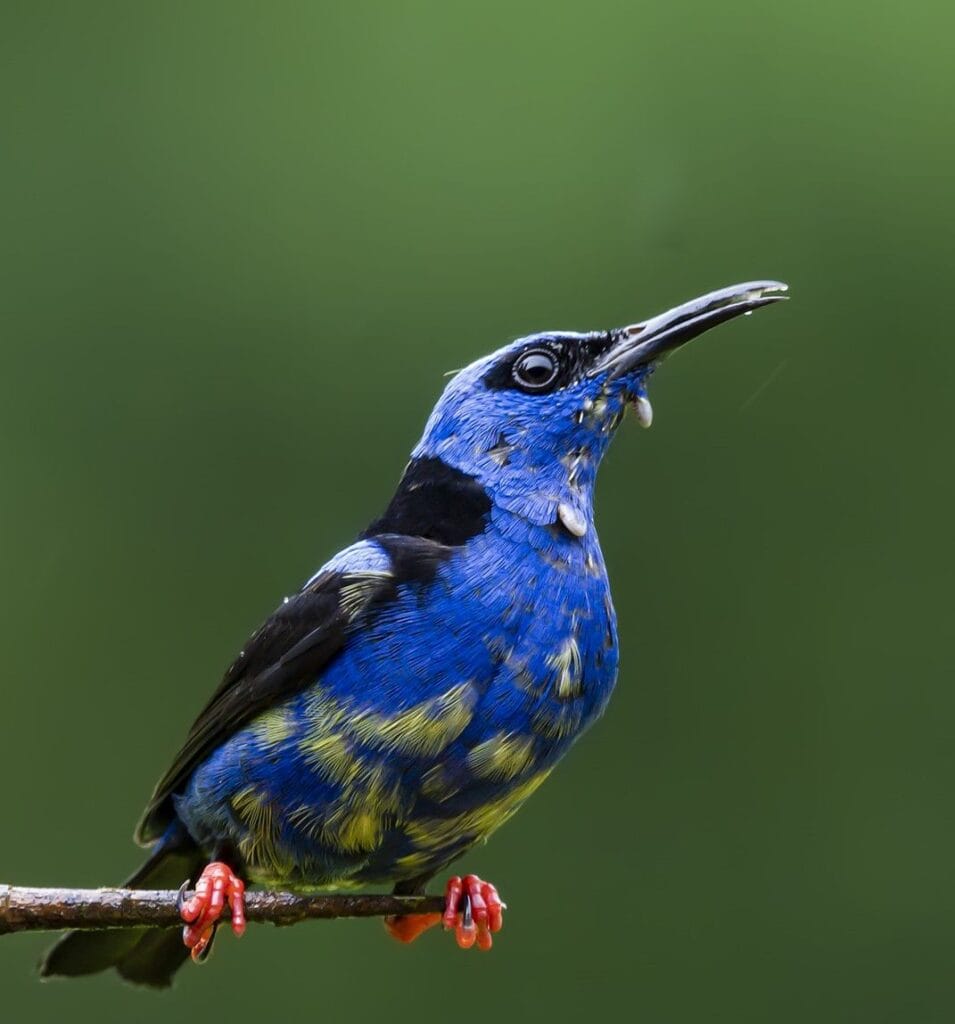
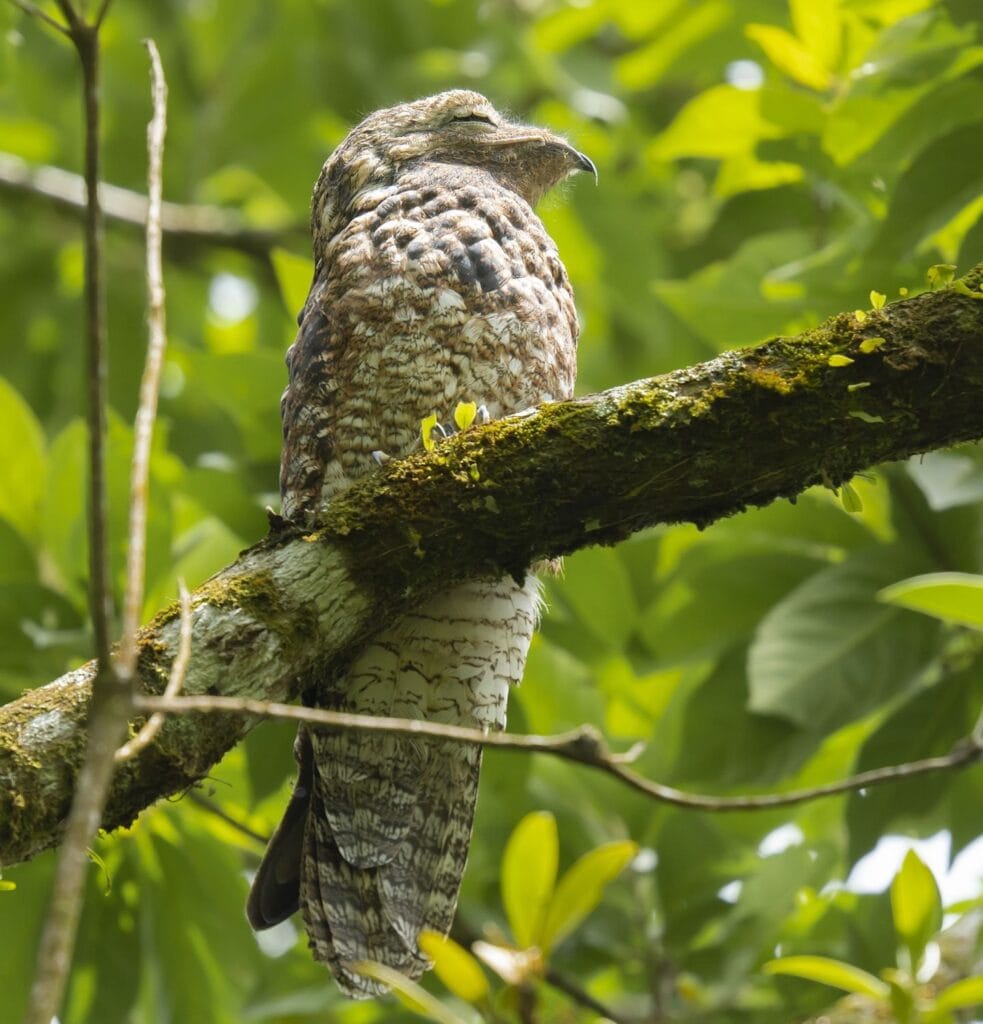
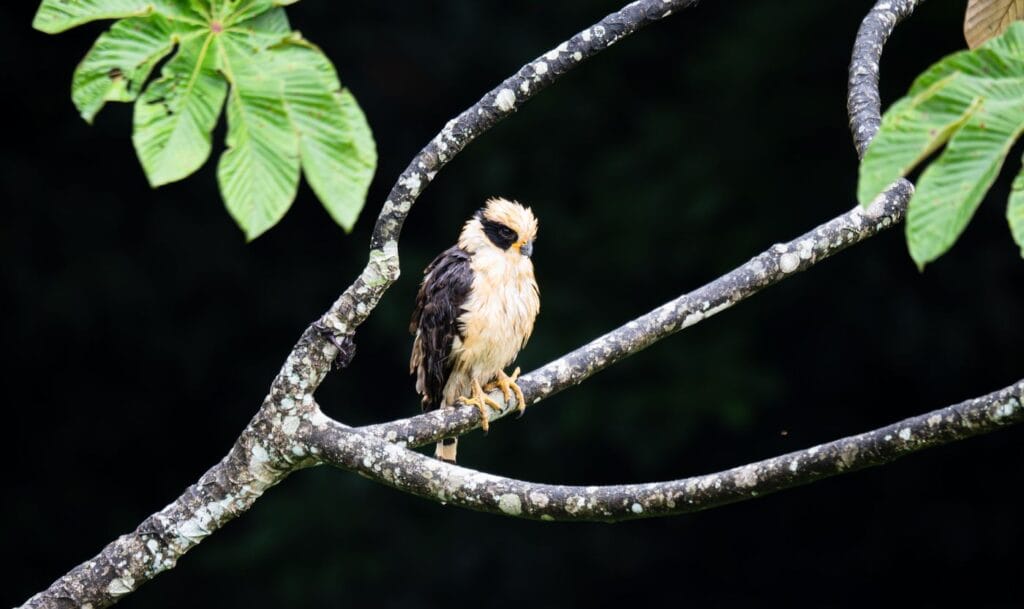
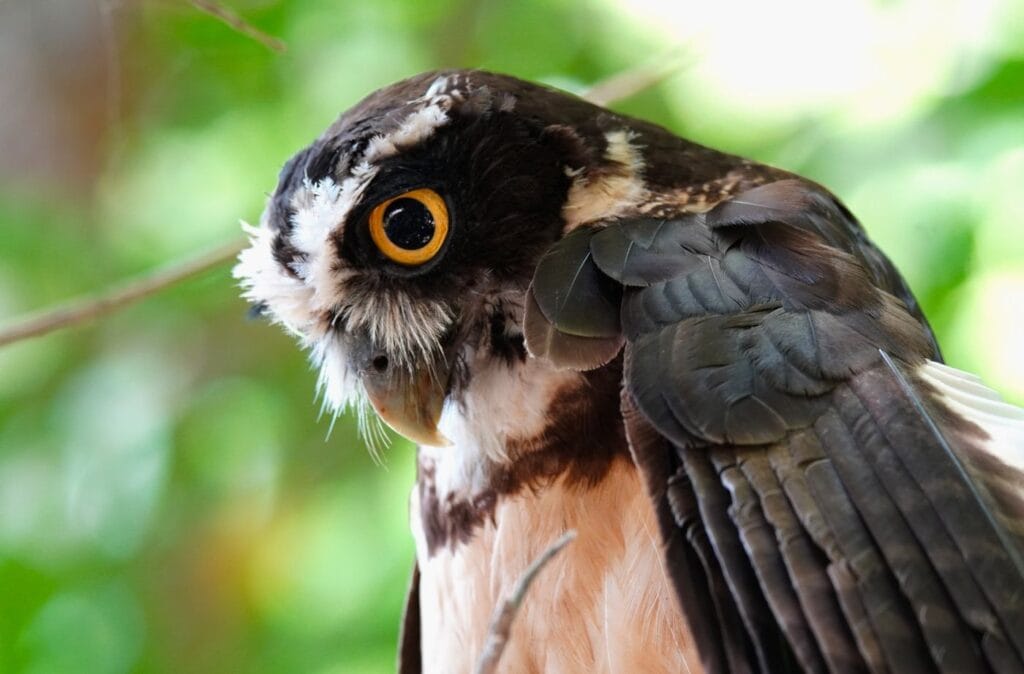
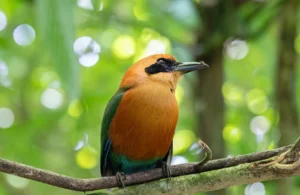
Where the dry Pacific gives way to the humid Caribbean slope, the Tenorio rainforest packs more birds into a single morning than almost anywhere in Costa Rica. The forest climbs from the turquoise rivers of Río Celeste up into the clouds, and that gradient stacks lowland and mountain birds side by side. Keel-billed and Swainson's toucans crash through the fruiting canopy, Montezuma oropendolas pour their gurgling song from hanging-nest colonies, and along the clean rivers the sunbittern opens its wings to flash two burning orange “suns.” Below, trogons sit still for their portraits, motmots swing their pendulum tails, and manakins snap and dance at their leks. It's a low-light, deep-green world — an overcast morning is a gift here — and your guide knows the fruiting trees and the perches the birds keep returning to.
Rainforest birding in Tenorio is a private birding and photography day on the slope where the dry Pacific meets the humid Caribbean side of Costa Rica, north of Guanacaste — from the turquoise rivers of Río Celeste up into the clouds, where keel-billed and Swainson’s toucans live alongside lowland and mountain birds. With a bird-specialist naturalist guide and scope, from $700 per private group of 2.
Duration
Full Day
Group
Private
Guide
Birding Guide
Level
Moderate
Type
Photography Tour
What is rainforest birding in Tenorio like?
- Rainforest birding in the Tenorio massif, from the Río Celeste rivers up toward the cloud forest
- Keel-billed and Swainson's toucans and Montezuma oropendola colonies
- The sunbittern — the jewel of Río Celeste's clean rivers
- Trogons, motmots, manakins, and a wealth of hummingbirds
- A guide who knows the fruiting trees, the colonies, and the manakin leks
What you will actually see
We can tell you what this day looks like on the public record. Every figure below comes from the eBird histograms for the exact sites we visit — the share of complete checklists that report each species. You can open them before you book.
Tapir Valley — the anchor of the day
| Species | Reported on |
|---|---|
| Yellow-throated Toucan | 77% |
| Keel-billed Toucan | 61% |
| Snowcap | 57% |
| Rufous-tailed Jacamar | 49% |
| White-collared Manakin | 48% |
| Great Curassow | 43% |
| Collared Aracari | 42% |
| Crested Guan | 41% |
| Black-crested Coquette | 35% |
| Purple-crowned Fairy | 16% |
| King Vulture | 13% |
| Ornate Hawk-Eagle | 12% |
The toucan figure does not dip below 70% in any month. The Snowcap — one of the most wanted hummingbirds in Costa Rica, a bird people plan whole trips around — never drops below 41%.
Las Heliconias — a different list entirely
Twenty minutes away the forest changes, and so does the day list. Tody Motmot on 43% of checklists, Spotted Antbird on 43%, Long-tailed Manakin on 41%, and the range-restricted Keel-billed Motmot on 10%.
The Tody Motmot deserves its own line. It is small, difficult and much wanted, and this corridor is one of the easiest places in the country to find it — 58% of checklists at our feeder garden stop.
The feeder gardens — where the camera earns its day
Two private gardens on the route, both with feeders that have been running for years. Yellow-throated Toucan on 78% of checklists. Keel-billed Toucan on 72%. Not through a scope at forty metres — at feeder distance, in usable light.
This is why we build the day around three or four private reserves instead of one trail. Each one does something the others cannot.
Reliable, seasonal, and lucky
You will see birds on this day — that part we can promise, and it is not a small promise in a forest this loud. What changes is which ones.
Reliable, all year
Yellow-throated Toucan · Keel-billed Toucan · Collared Aracari · Snowcap · Rufous-tailed Jacamar · White-collared Manakin · Tody Motmot · Great Curassow · Crested Guan · Spotted Antbird
Best in their window
Black-crested Coquette peaks December through May, reaching 64% in February. Long-tailed Manakin is strongest on the Heliconias trails from April to November.
We will look, and we will not promise
King Vulture · Ornate Hawk-Eagle · Keel-billed Motmot · Lovely Cotinga · Bare-necked Umbrellabird
If you are coming for one bird in particular, tell your guide the night before. He will build the route around it — which stop first, which hour, which perch. That single conversation changes more about your day than anything else you can do.
Good to Know
- Dawn (about 5:30–8:30) is the magic window — peak activity in the fruiting canopy
- A transition-zone forest: lowland and mountain birds mix in a single morning
- Overcast, diffuse light is your friend for the shy understory birds
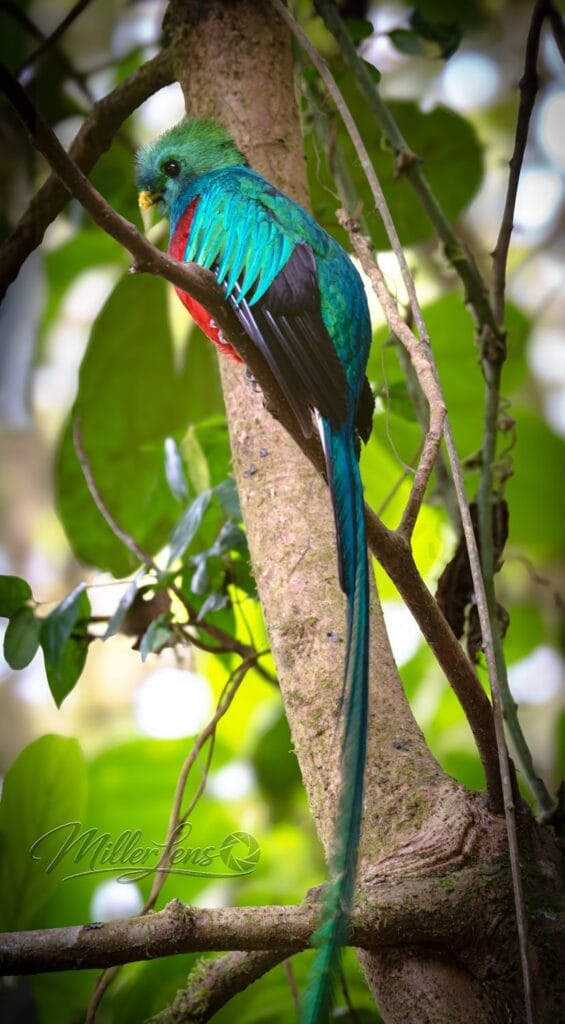
- The bellbird and quetzal are seasonal altitudinal migrants — ask about current timing
- Bring a long lens, fast glass for the low light, and a rain layer — it's always humid
Coming for photographs?
Tell us when you book, because it is a different day.
A birder out-lists a photographer every time — a look through the scope takes seconds, a clean frame takes twenty minutes on one perch. If you are here for images we spend longer at the feeder gardens and less on the trails, and we plan the route around light rather than around distance.
Neither day is better. They are simply not the same day, and we would rather build the right one.
Who guides you
Costa Rica has roughly 950 recorded bird species. Here is what our guides have personally logged on eBird — every figure is a public profile you can open before you book.
| Guide | Species | |
|---|---|---|
| Dave VargasMost of the country’s entire avifauna | 700 | eBird → |
| José Vargas Mena478 of them photographed — ask for him if you are here for images | 691 | eBird → |
| Bryan MontoyaBorn in Bijagua, the gateway to Tenorio and Río Celeste | 589 | eBird → |
| Obed CanalesNaturalist, wildlife photographer and birder | 533 | eBird → |
Every guide on the team has over ten years in the field. Whoever takes you out, you are not with someone reading these sites off a list — and if you want the photographer’s guide or the sharpest pair of eyes on the team, say so when you book and we will match you.
Book direct with the operator
- We run these tours ourselves. No middleman, no reseller.
- Private from two people — no minimum group to fill, no strangers in your van.
- The price you see is the price you pay: taxes and door-to-door pickup included.
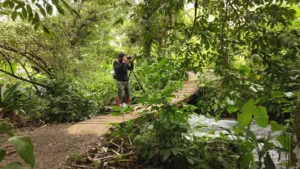
Photos from the Tenorio Rainforest
Frequently Asked Questions
Where does the tour take place?
In the rainforest of the Tenorio massif (Tenorio Volcano / Río Celeste), a transition zone between Guanacaste’s dry Pacific and the humid Caribbean slope, climbing from about 600 m toward the cloud forest.
What are the star birds?
Keel-billed and Swainson’s toucans, the Montezuma oropendola, the sunbittern on the clean rivers, plus trogons, motmots, manakins, and many hummingbirds; seasonally the three-wattled bellbird and resplendent quetzal.
When is the best time of year?
Dawn is best on any day. The dry season (Dec–Apr) means easier trails and clearer skies; the green season (May–Nov) brings more fruit, flowers, and nesting, with mornings that often open clear before the afternoon rain.
Can we see the quetzal or bellbird here?
Sometimes. Both are altitudinal migrants that follow the wild-avocado fruiting, so their presence is seasonal — we’ll tell you the current odds when you book.
Do I need to be an experienced birder or photographer?
Not at all. All levels are welcome, any camera works, and your guide adapts the pace and shares photography tips for the low forest light.
How much does the private Rainforest birding day cost?
Our private Rainforest birding day starts at $700 per private group of 2 guests, taxes included. It is a full-day experience and it is 100% private: your naturalist guide, transportation and route are yours alone. The price includes a private naturalist guide specialized in birds, private transportation, entrance fees to the private reserves and feeder gardens on the route, binoculars and a spotting scope, bottled water, snacks and lunch. We offer hotel pickup from Tamarindo, Las Catalinas, Reserva Conchal, the Riu resorts at Playa Matapalo, Playas del Coco, Playa Hermosa, Playa Panamá, Liberia and the Papagayo Peninsula. We’ll confirm your exact quote on WhatsApp based on your group size and pickup location.
When do we have to cancel by?
Twenty-four hours before your tour begins, counted from the start time and not the day. Cancel before that and you get a full refund.
How many species will we see in a day?
We would rather not quote you a headline number, because the honest answer depends on the month, the weather, how early you start and how long you are willing to stand still for one bird. What we can do is show you the public eBird figures for every site on this route, so you can judge for yourself before you book. A birder will record more species than a photographer; a photographer will come away with images. Tell us which one you are and we will build the day around it.
Three Forests, Three Bird Lists
Guanacaste and its highlands hold three distinct forest types within a few hours of each other, and the birds change completely between them. Most visitors only ever see one. If you have more than a single morning, pairing two of these gives you a species list you cannot build in any one of them alone.
Higher, cooler and often in mist. A different family of birds altogether — the highland specialists you will not find down on the coast.
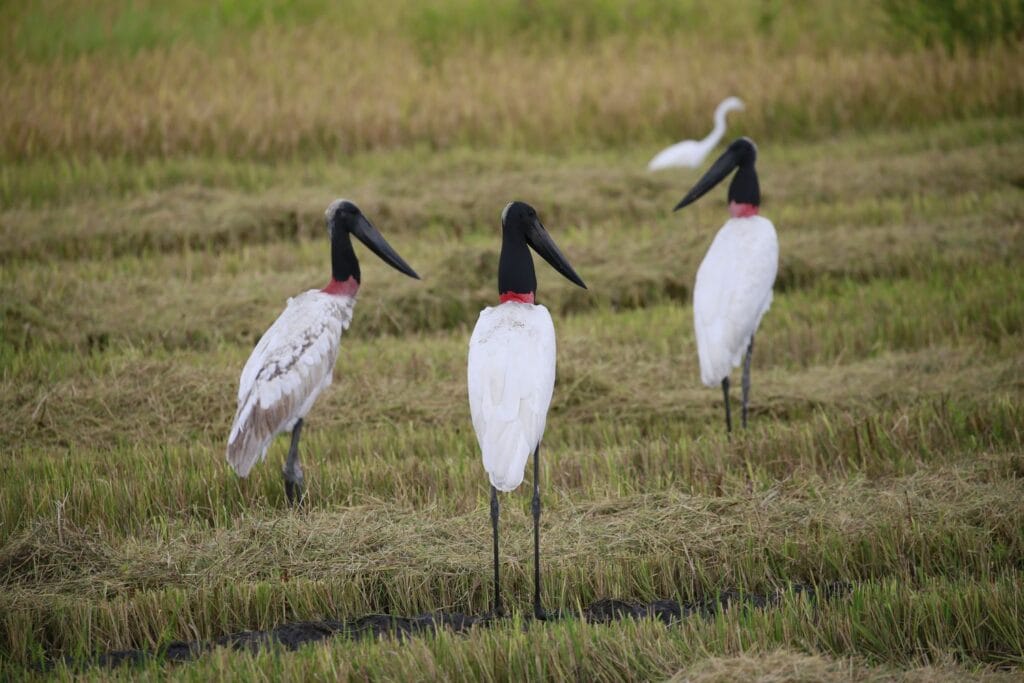
Open country and shrinking lagoons, where the water birds concentrate. Spoonbills, jabiru, wood storks and herons — and the easiest viewing of the three.
“Our guide Miller was a delight! We saw active sloths, lots of monkeys, poison dart and red eyed tree frogs, three different toucan species and lots of tanagers and other beautiful birds. Our forest walk in the tree tops was misty and otherworldly and the reserve owners were kind and warm.”
TripadvisorVerified reviewReady for your private birding experience?
Tell us your group’s pace and we’ll build the private day around it.
More than 300 five-star reviews on Tripadvisor. Our guides’ eBird lists are public — you can read them before you write.
Prefer a form? Write to us here →
Or write to us
By the Guanadreams team, led by Miller Contreras — naturalist guide, born and raised in Guanacaste.
Several of our guides have personally logged hundreds of Costa Rica's bird species on eBird — some more than 600. Meet our guides and see their eBird profiles →