



Is Palo Verde Worth It?
Palo Verde is where the Río Tempisque meets the dry forest, and one of the best places in Costa Rica to see crocodiles. Here is the straight answer from a guide who takes guests to this river: what the boat actually sees, what the drive is like, when the birds peak, and the few weeks we tell people to skip it.
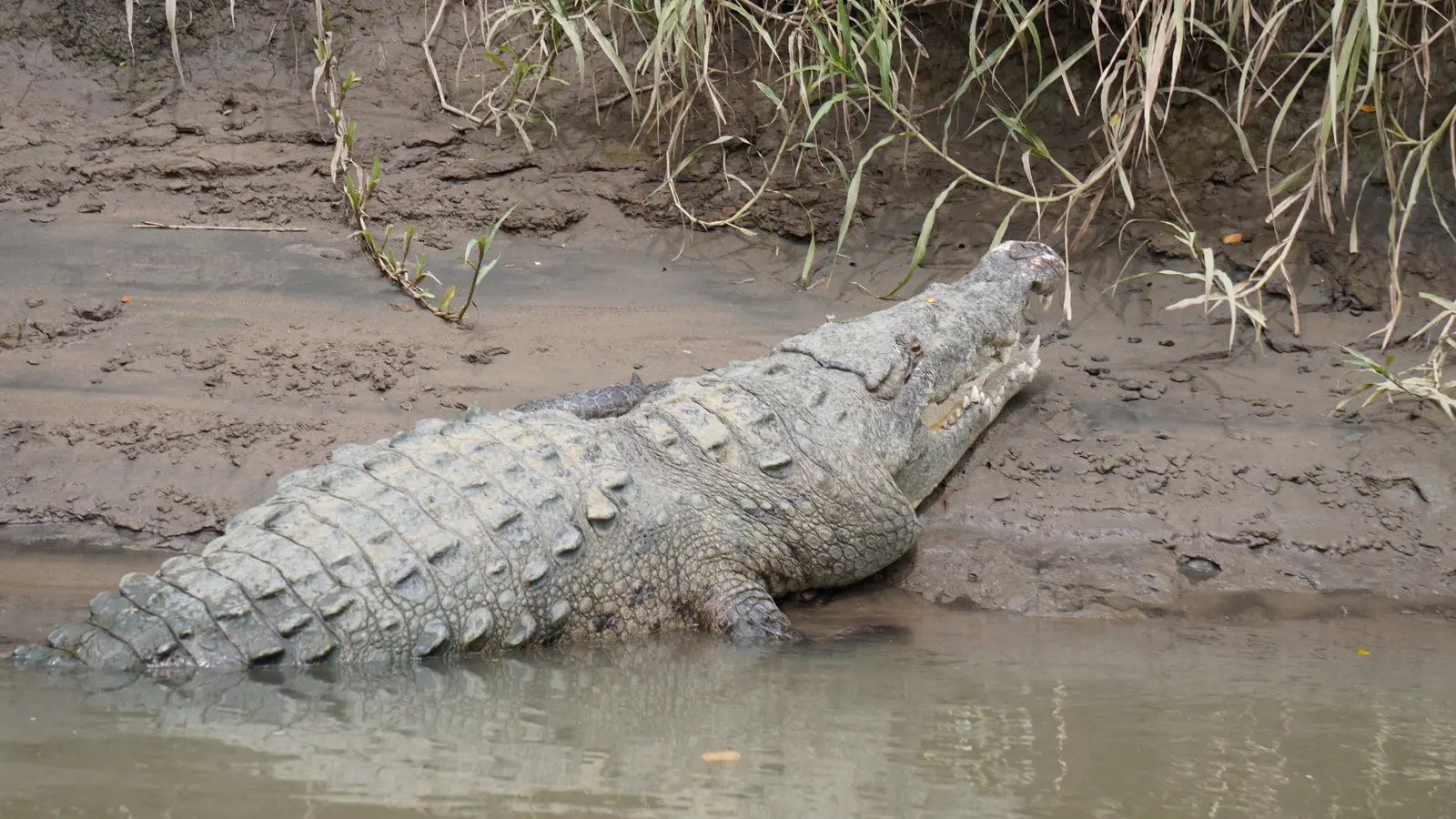
Yes — Palo Verde is worth it if you want a lot of wildlife for very little effort, plus a real look at rural Guanacaste. Our boat runs the Río Tempisque along the edge of the national park, not inside it: on a normal day you see around twenty crocodiles, plus monkeys, iguanas and water birds, all from a covered seat. The jabiru and the big wetland birds show up in the farm wetlands on the drive in. December to April is best for birds, peaking in February and March; skip heavy-storm weeks, mostly October and November. From Playas del Coco or Papagayo it is about 1 hour 25 minutes each way.
Palo Verde National Park protects one of the great wetlands of Central America, where the Río Tempisque spreads across the lowlands between limestone hills and dry forest. It is a Ramsar site, and in the dry season it holds one of the biggest gatherings of water birds on the Pacific side of the isthmus.
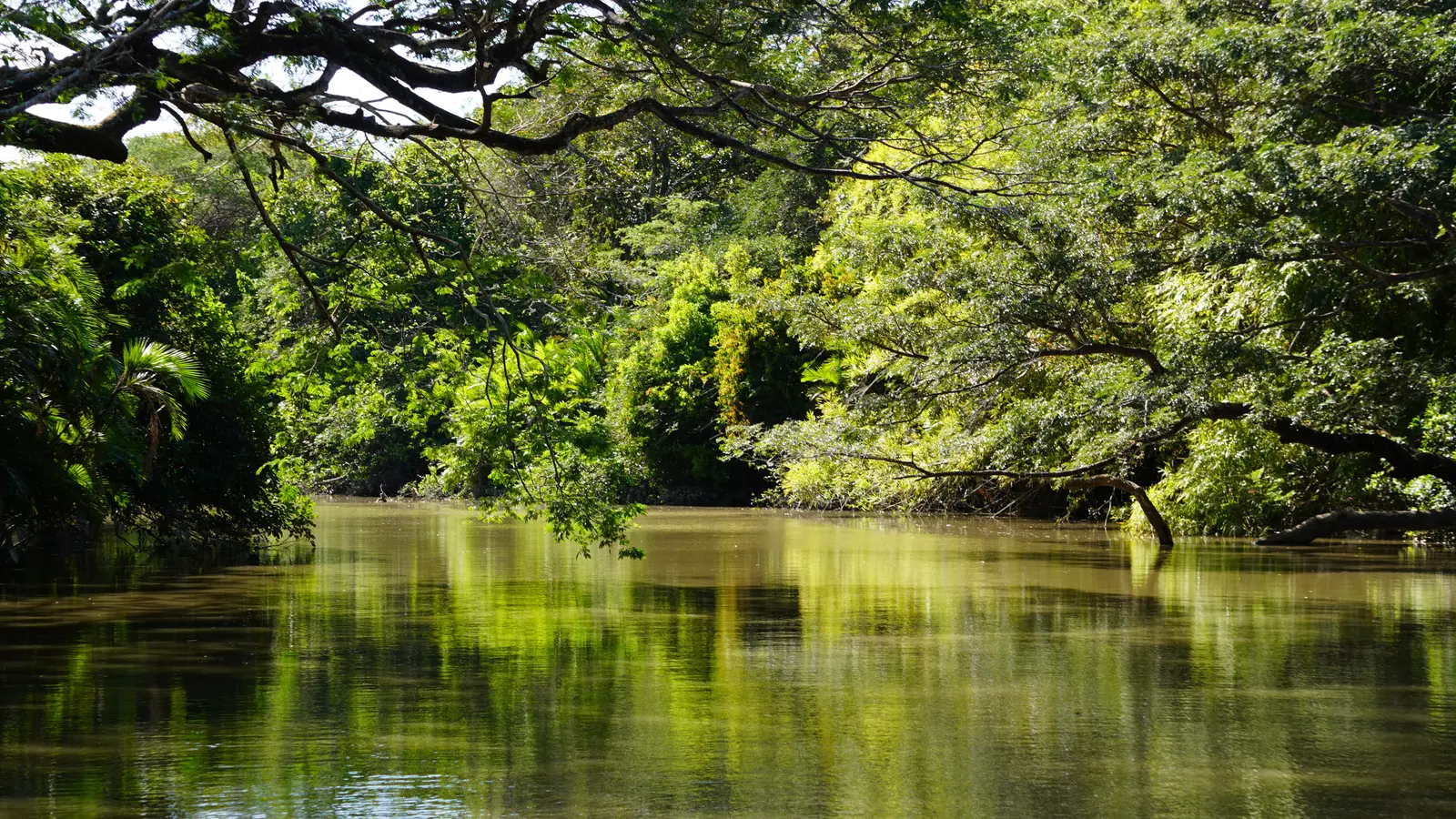
Most visitors see it the way we do: from a boat on the Tempisque, along the edge of the park. The river is where the crocodiles live, and where the monkeys and iguanas come down to the water. Below is what the day really involves, so you can decide with the full picture.
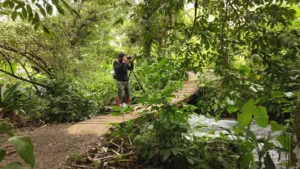
The park on foot: hot and exposed
Palo Verde’s trails are short, hot and open, and the big lagoons sit inside the park, away from the river. Rewarding for serious birders with a full day; most visitors never walk them.
How we do it: from the river
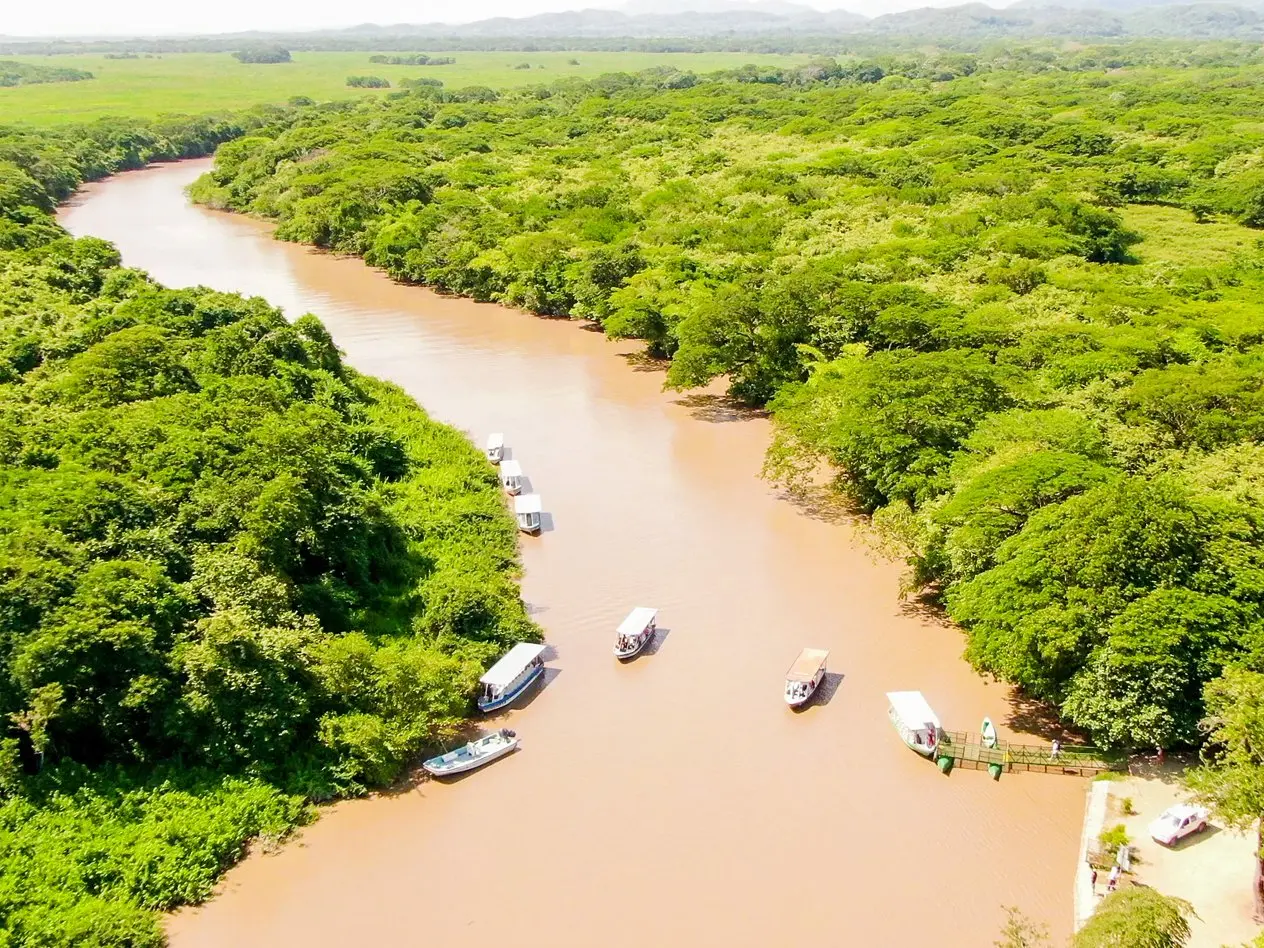
We board a covered boat at a dock on the Tempisque and stay on it the whole time. We don’t go into side channels and we don’t step ashore: the park is the far bank, and the wildlife comes to the water.
What does the Palo Verde boat trip involve?
| The drive | About 1 hour 25 minutes from Playas del Coco or Papagayo, the last part on a gravel road through farmland. We stop along the way whenever the farm wetlands have birds. |
|---|---|
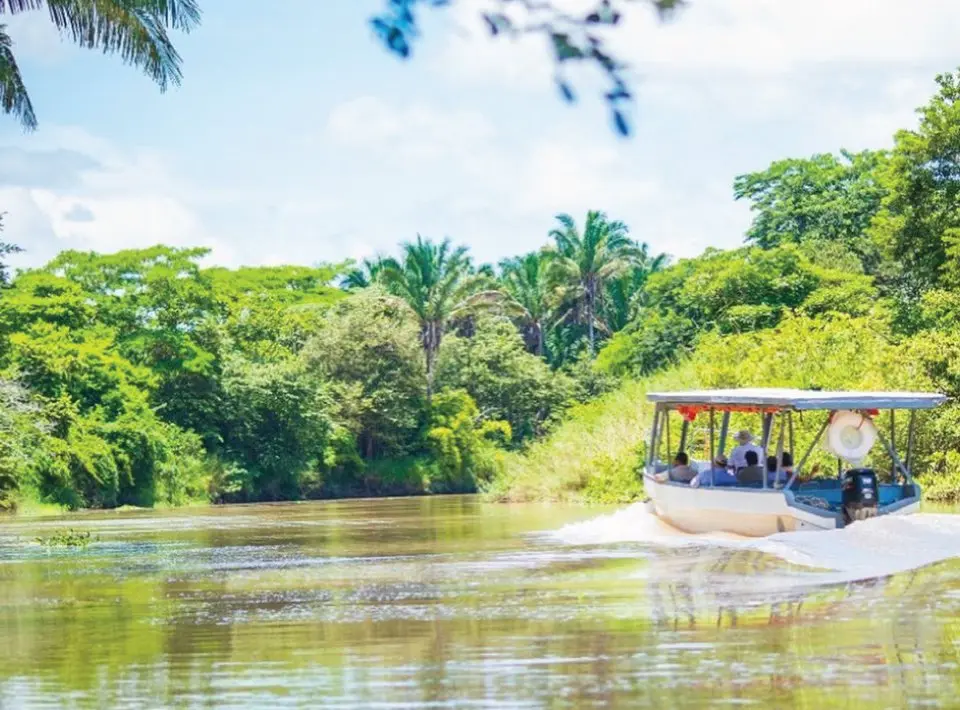
| The boat | Covered, with shade and seats. It holds 15 to 20 people and usually carries 10 or 12 — it never goes full. Your naturalist guide stays with your group the whole time, and a fully private boat can be arranged for an added cost. |
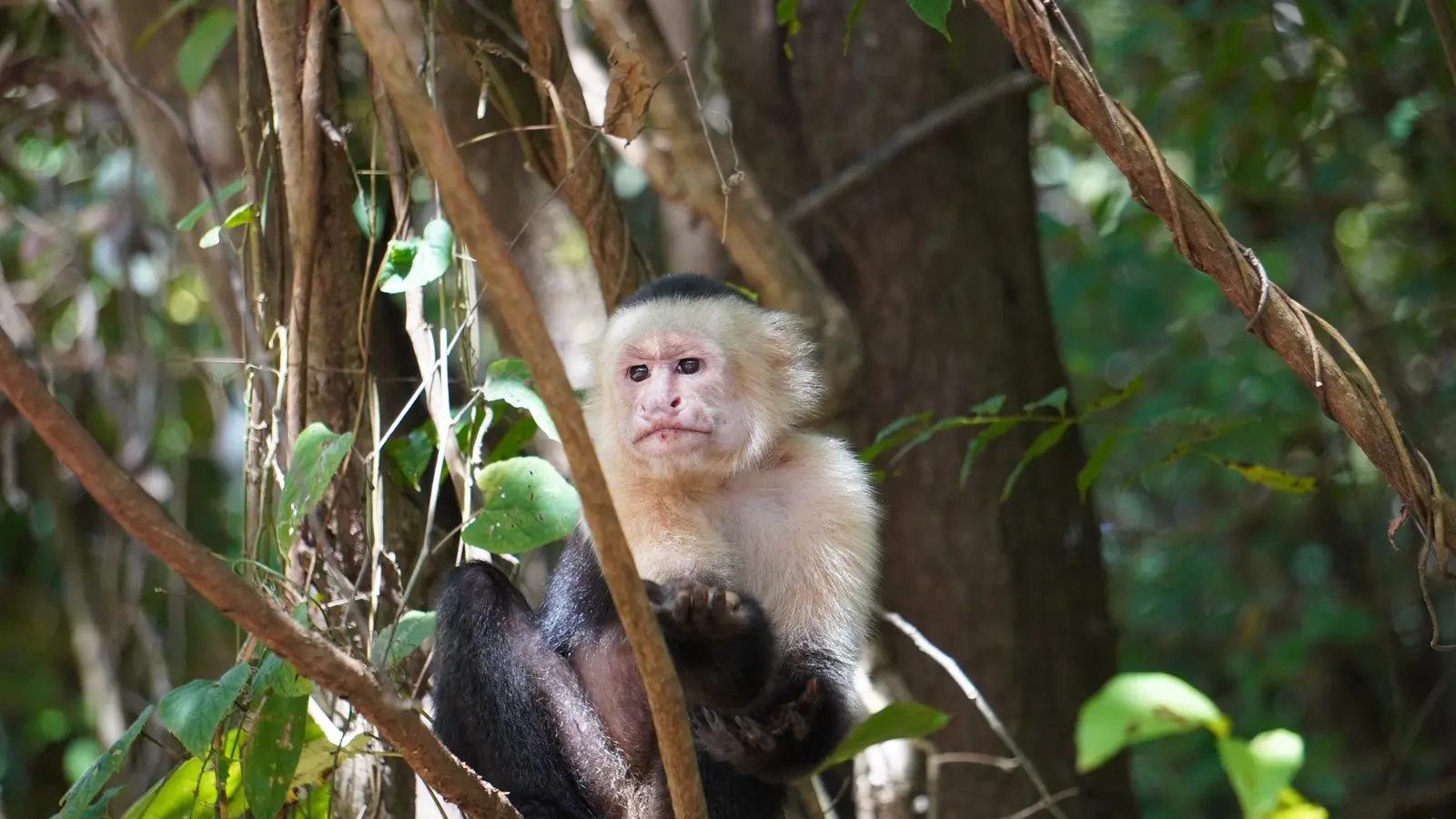
| What you see | Around twenty crocodiles on a normal day, plus howler and white-faced monkeys, green iguanas, herons and other water birds along the banks. |
| The tide | The Tempisque rises and falls about two metres with the tide, and we can go at any tide. At low tide the crocodiles lie out on the sandbars; at high tide some are still out, the rest show in the water, and the ride is smoother. |
| Heat and bugs | It is hot and humid, and mosquitoes are part of the trip. The shade on the boat helps; repellent is not optional. |
| Lunch | Typical Costa Rican food, at a ranch by the river or at the casona of Hacienda El Viejo. |
Three things people get wrong
The crocodiles are there all year — the birds follow the water.
From October and November, ducks and other migrants from North America arrive to spend the winter, and as the dry season shrinks the wetlands they crowd together with the resident birds. December to April is the best window for birds, with the peak in February and March, the same months the jabiru nests. The one time we hold back is during heavy storms, mostly in October and November, when the Tempisque — one of the most flood-prone rivers in the country — rises fast. We watch the river and tell you before the day. See our guide to Guanacaste in February for the peak of the bird season.
Private tour from Guanacaste
Palo Verde National Park Experience
A private half day on the Río Tempisque with a naturalist guide: crocodiles, monkeys and water birds from a covered boat, the farm wetlands on the drive in, and a typical Costa Rican lunch. The guiding starts the moment we pick you up at your hotel.
What else makes Palo Verde worth it?
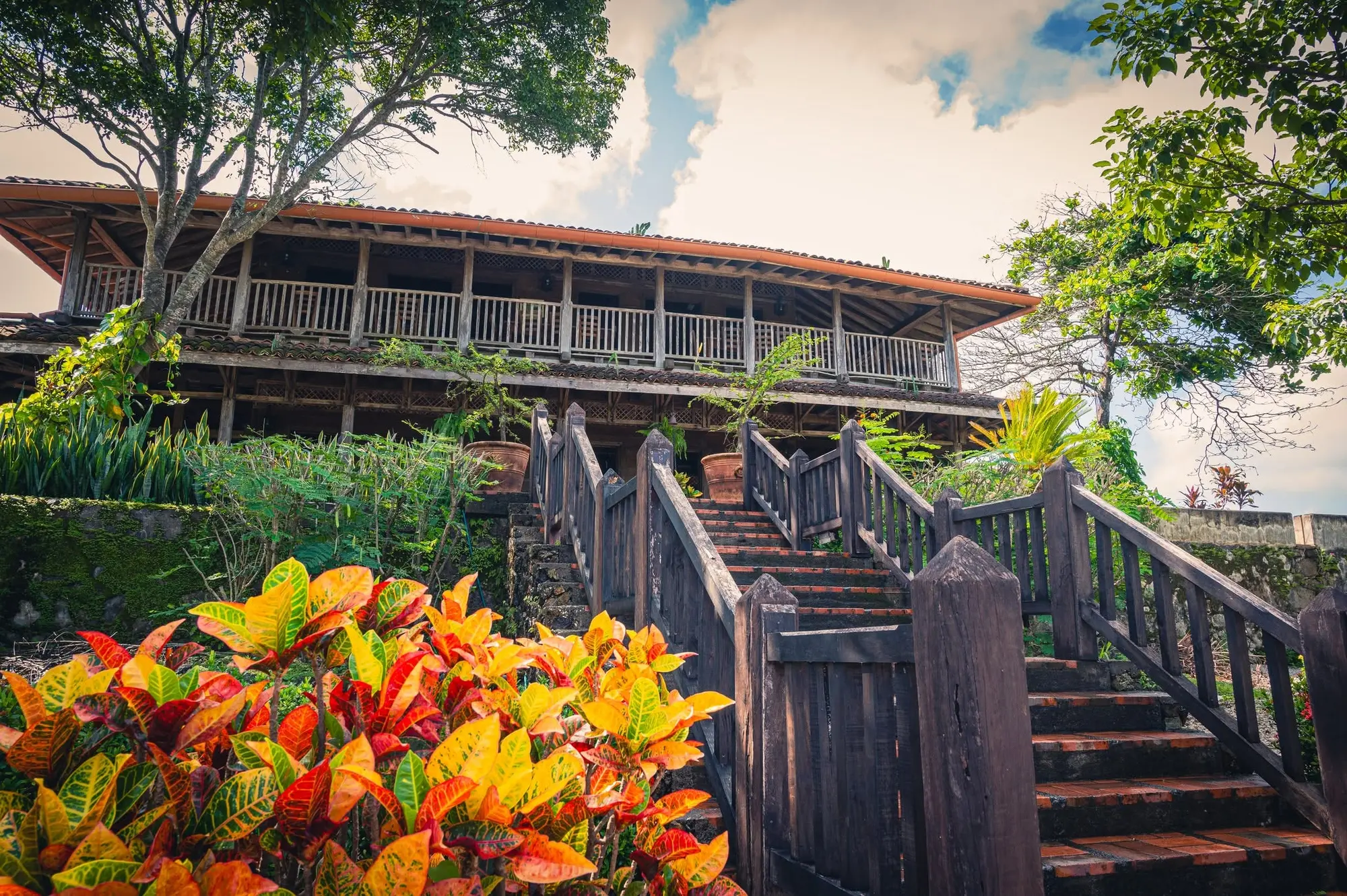
Palo Verde sits in the Tempisque Valley, and the day is also a lesson in how this province lives. On the drive in we pass sugarcane and melon fields, cattle land still worked by sabaneros — the cowboys of Guanacaste — and houses more than a hundred years old.
We talk about how sugar is made here, how the farms depend on the river, and how rural families in the valley make a living. If you add the cultural visit, you see it up close at Hacienda El Viejo: the old casona, the ox-driven trapiche pressing cane, and tortillas made by hand.
Who is Palo Verde not worth it for?
We would rather tell you now than have you find out on the river.
You are here in a stormy week
In heavy storms, mostly in October and November, the Tempisque rises fast and becomes dangerous. We watch the river and tell you before the day, and if we cancel for safety you get a full refund.
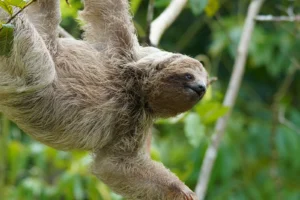
You came for sloths and rainforest
Palo Verde is dry lowlands and a big river. For sloths, toucans and green rainforest, the Tenorio side is your day.
You can’t stand heat and bugs
It is warm and humid on the river, and mosquitoes are real. With repellent it is fine; without it, it is a long morning.
The monkeys who took the bags
One family wanted to see monkeys, and on our first run along the river the trees stayed quiet. So we went out again, and before we got close I warned them: the monkeys here can be bold, keep an eye on your things. We pulled in to the bank, everyone looking up into the branches, and nobody noticed the monkeys had already arrived. They grabbed the bags, carried them up into the trees and dropped them back down on us. The family got their monkeys — a lot closer than they had planned. More on the monkeys of Guanacaste.
Before the highway, the Tempisque was Guanacaste’s main road.
Until the Interamerican Highway, boats carried cattle, grain and people down the Tempisque and across the Gulf of Nicoya to Puntarenas, and the river ports waited for the tide to fill the river before they could sail. That trade ended in the 1960s. The tide still sets the rhythm on the water today — now it decides where the crocodiles lie.
Other days that pair well
Hacienda El Viejo
The cultural or rum visit, added to your Palo Verde dayMangrove canoe safari
Paddle a saltwater mangrove instead of a big riverWetland birding
A full birding day for the jabiru, spoonbills and storksIs Río Celeste worth it?
Our honest take on the blue river of TenorioLooking beyond these four? Our guide to things to do in Guanacaste, Costa Rica sorts the rest by zone and by season.
Bring repellent
Mosquitoes are part of the trip on the Tempisque. Put it on before the boat, not after.
Dress for the heat
Light clothes, a hat, sunscreen and water. Binoculars and a camera if you have them.
Pick your season
Most birds from December to April, peaking in February and March. Crocodiles all year. Skip heavy-storm weeks.
Going on your own? Check the river first
Local boats run from riverside docks along the Tempisque, and the last stretch in is unpaved. In storm weeks the river can rise fast, so ask before you drive — and not every boat comes with a naturalist guide who knows what is on the bank.
Palo Verde — quick questions
Yes, if you want crocodiles, monkeys and water birds with almost no walking, plus a look at rural Guanacaste. It is less worth it in heavy-storm weeks, mostly October and November, if you came for sloths and rainforest, or if heat and mosquitoes would ruin your day.
No. The boat runs the Río Tempisque along the edge of the park; it does not enter side channels and you do not step ashore. The park is the far bank, and the wildlife comes to the water.
Crocodiles, yes: around twenty on a normal day, and we have never had a day without them. The jabiru is not usually seen from the river; your best chance is in the farm wetlands on the drive in, mostly in the dry season.
Not for going: we navigate at any tide. At low tide the crocodiles lie out on the sandbars; at high tide some are still out, the rest are in the water, and the ride is smoother.
December to April for birds, with the peak in February and March, when migrant ducks and resident birds crowd the drying wetlands. Crocodiles are there all year. Avoid heavy-storm weeks, mostly October and November; we watch the river and tell you before the day.
About 1 hour 25 minutes from Playas del Coco or Papagayo and about 1 hour 30 minutes from Tamarindo, each way. We usually start around 7:30 in the morning, and the half day runs about 5 to 6 hours door to door, with lunch.
Come see the Tempisque with us
We run Palo Verde as a private half day from the Guanacaste coast — the Tempisque by boat with a naturalist guide, the farm wetlands on the way in, and a typical Costa Rican lunch. Add Hacienda El Viejo if you want the culture up close. The guiding starts at pickup: on the drive your guide points out what most visitors pass by. Tell us where you are staying and when, and we will plan the day around the river.