
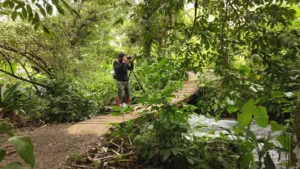



Monkeys in Guanacaste, Costa Rica: The Three Species You’ll Meet — and Where
Three of Costa Rica’s four monkey species live right here in Guanacaste — on land and from the water, all across the region.
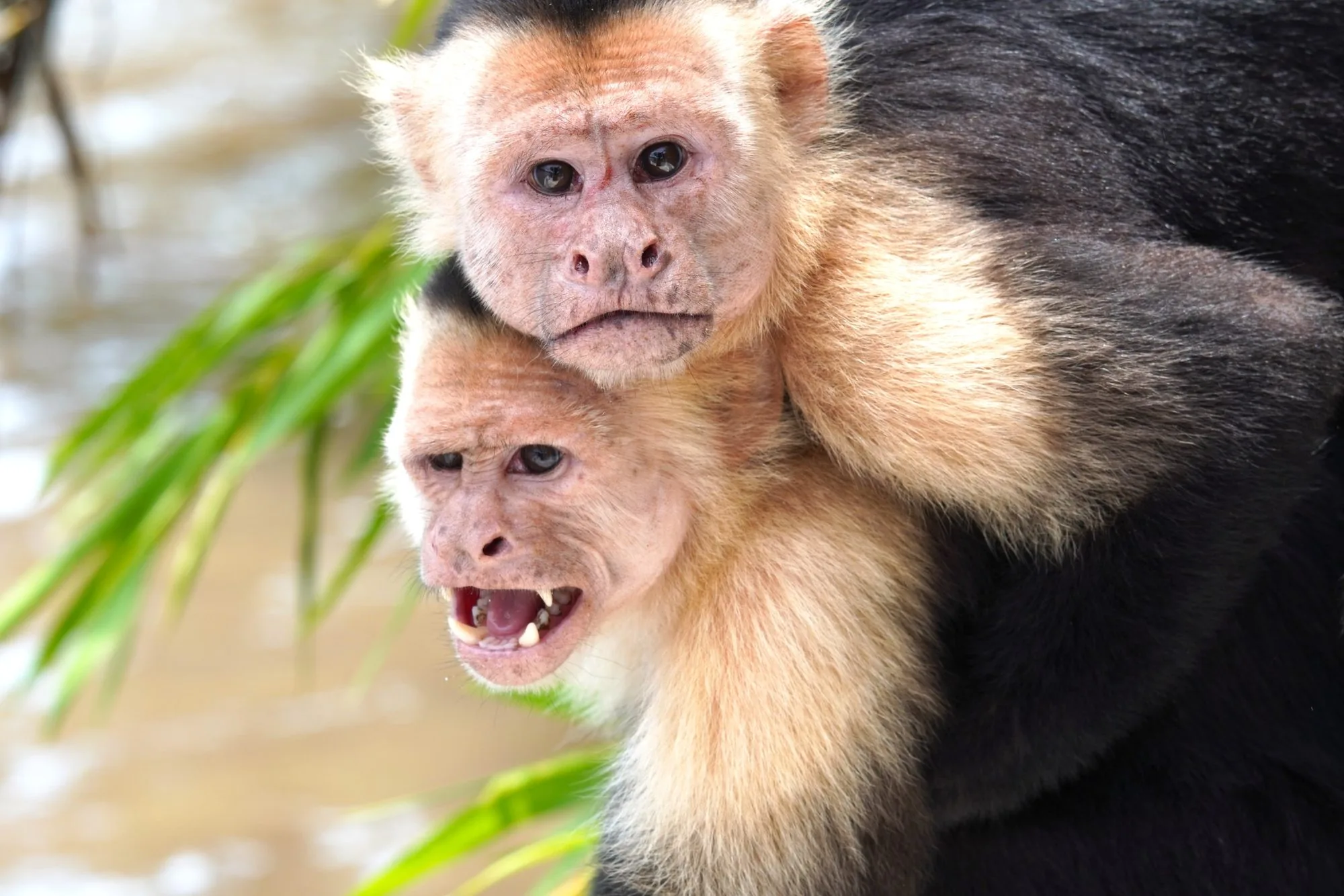
Guanacaste, Costa Rica is one of the best places in the country to see monkeys in the wild. Three of Costa Rica’s four monkey species live here — the mantled howler (mono congo), the white-faced capuchin (cariblanco), and the Geoffroy’s spider monkey — and you’ll run into them on land and from the water, all across the region. The one you’ll see most is the capuchin. Sightings are never a lottery here: monkeys are among the most generous wildlife to watch in Guanacaste.
Costa Rica has four species of monkey, and three of them live right here in Guanacaste. You’ll hear one before you ever see it, meet another peering down at you from the treeline, and — if the forest is generous — catch the rarest of the three swinging high through the canopy. Here’s who they are, and exactly where we find them.
Mantled howler — the mono congo
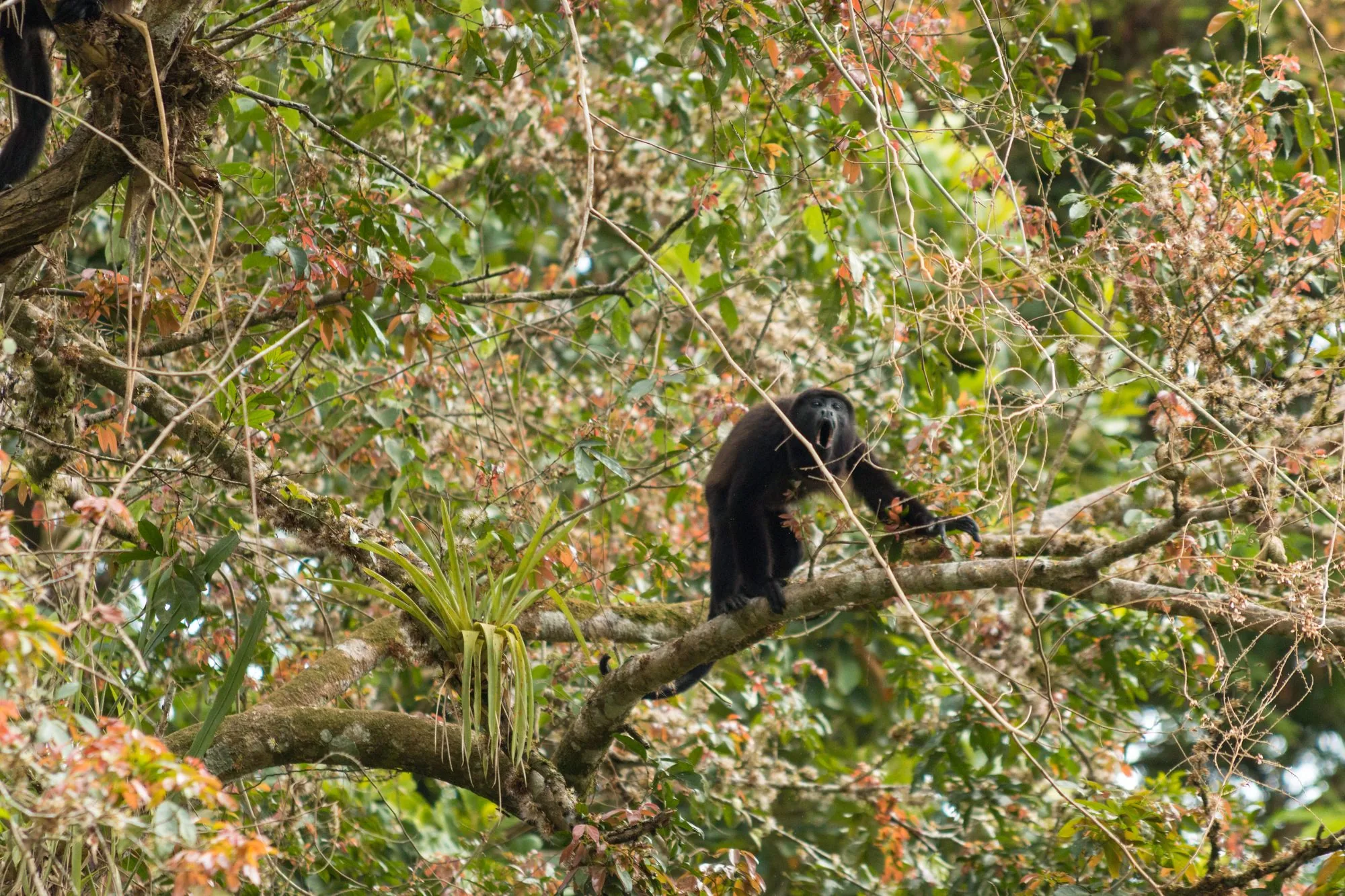
The voice of the Guanacaste forest. A special throat bone — an enlarged hyoid — turns the male’s call into a deep roar that carries over a kilometre, often the first wildlife you’ll hear at dawn, long before you see it. Howlers are leaf-eaters that rest a great deal, moving slowly through the canopy in groups of 10–20.
White-faced capuchin — the cariblanco
Widely considered among the most intelligent monkeys in the Americas, known for using simple tools and solving problems to reach food. Bold, curious and constantly busy, capuchins move in troops of 10–35, and they’re the monkey you’re most likely to meet across every trip.
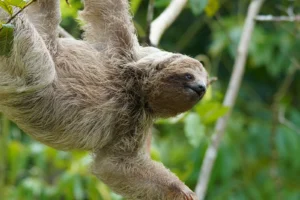
Geoffroy’s spider monkey
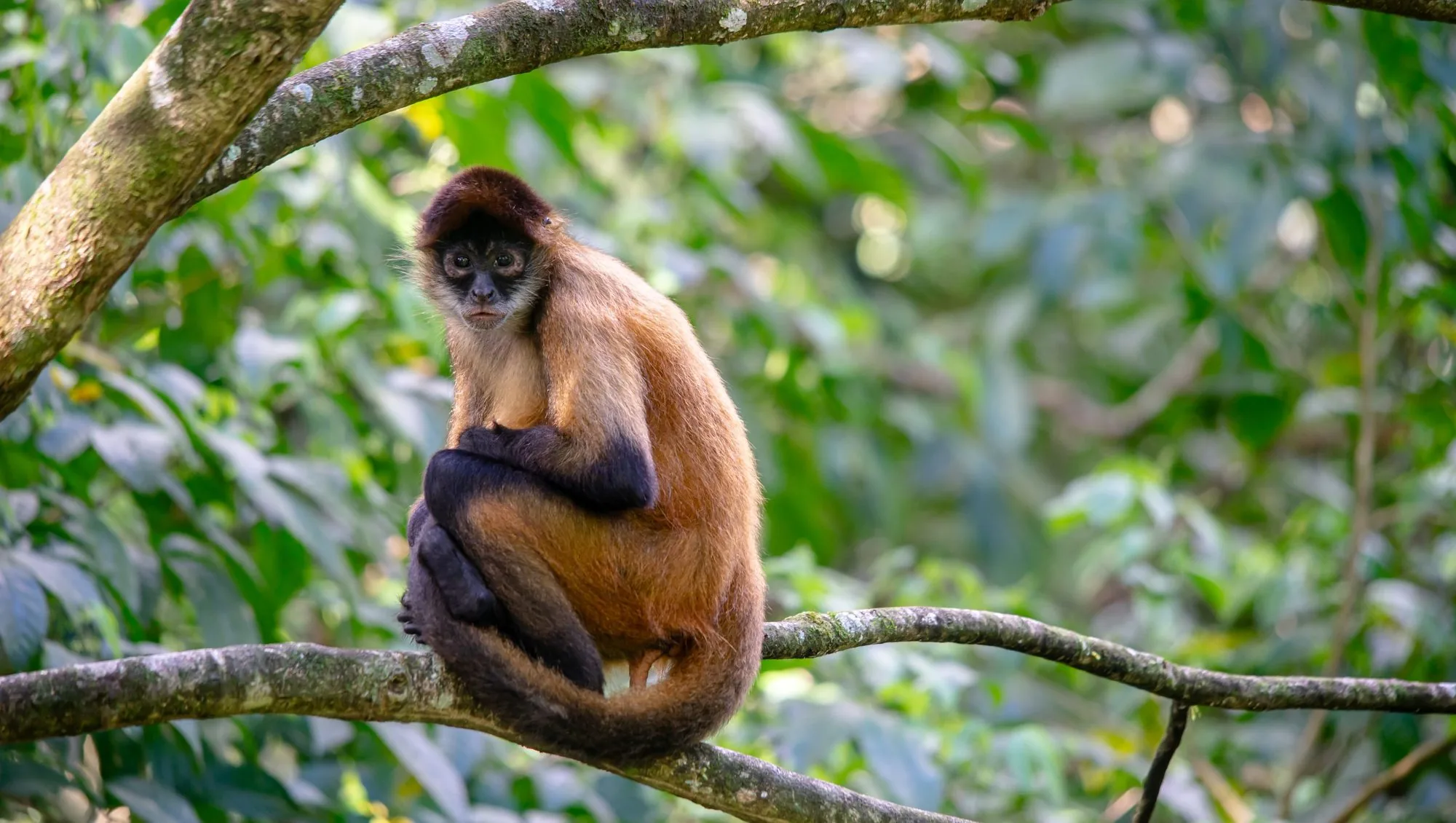
The acrobat — long limbs and a prehensile tail that grips like a fifth hand, swinging through the treetops in a motion called brachiation. More localized than the other two, and endangered — so seeing one is a real privilege. Spider monkeys need tall, primary rainforest, which is exactly where we look for them.
Private tour from Guanacaste
Palo Verde National Park Experience
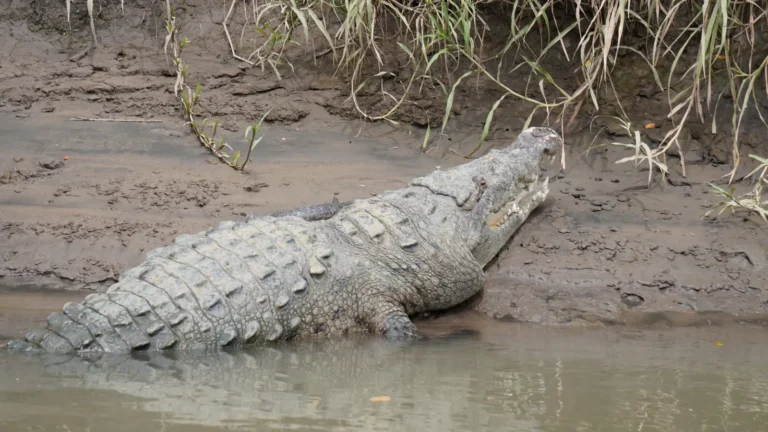
A private river safari on the Río Tempisque through Palo Verde, where howler and capuchin monkeys, crocodiles and water birds live along the banks, with your own naturalist guide.
Costa Rica’s fourth monkey — and why it isn’t here
Costa Rica’s fourth monkey, the squirrel monkey (tití), doesn’t live in Guanacaste — it’s found in the central and southern Pacific, around the Osa. We’d rather tell you that than let you look for one that isn’t here.
Where you’ll meet them — trip by trip
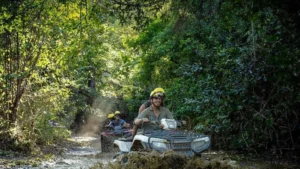
Here’s the honest version, trip by trip. Where monkeys are a regular sight on land: on the ATV & buggy adventure, driving the beaches and mountain trails — one of the most reliable, capuchins especially; on the Miravalles experience and the Rainforest Combo; and on some of the beaches themselves as we come down to the coast. From the water: Palo Verde and the Tempisque river, with howlers and capuchins along the gallery forest seen quietly from the boat; the mangrove and estuary canoe; and the Tenorio river float, where howler and capuchin travel the forested banks (spider monkeys aren’t a reliable sight there — for those you want tall primary rainforest). Capuchins are the ones you’ll see most across all of them.
Monkeys are most active in the cool of early morning and late afternoon — exactly when we like to have you out.
We take you where they live
As always, we take you where they live and let the forest do the rest — but with monkeys in Guanacaste, the forest is generous. You’ll see fauna on every trip; what we can’t promise is exactly which species turns up on which day. If there’s one you’re hoping for, tell your guide before we set out.
Before you go looking
Yes, easily. Three species live here — howler, capuchin and spider monkey — and they’re among the most reliable wildlife in the region, on land and from the water.
The mantled howler (mono congo), the white-faced capuchin (cariblanco) and the Geoffroy’s spider monkey. The squirrel monkey, Costa Rica’s fourth species, doesn’t range this far north.
Yes. Howlers and capuchins live right along the Guanacaste coast — you’ll often see them on the ATV & buggy trip along the beaches and hills, on some beaches when we come down to the water, or on a river trip on the Tempisque. Capuchins especially are common close to the coast.
Early morning and late afternoon, when they’re most active and feeding — the cooler hours we build our trips around.
Meet them on the water or in the trees
We run private trips from anywhere on the coast — your group, your guide, your pace.