



Is Tenorio River Rafting Worth It?
The Tenorio is the whitewater river of Guanacaste, Costa Rica: about 22 rapids, calm pools in between, and a 12-foot drop over Cascabel Falls at the end. Here is the straight answer from a local guide: how hard it really is, why the dry season changes the ride, and who we tell to pick a different day.
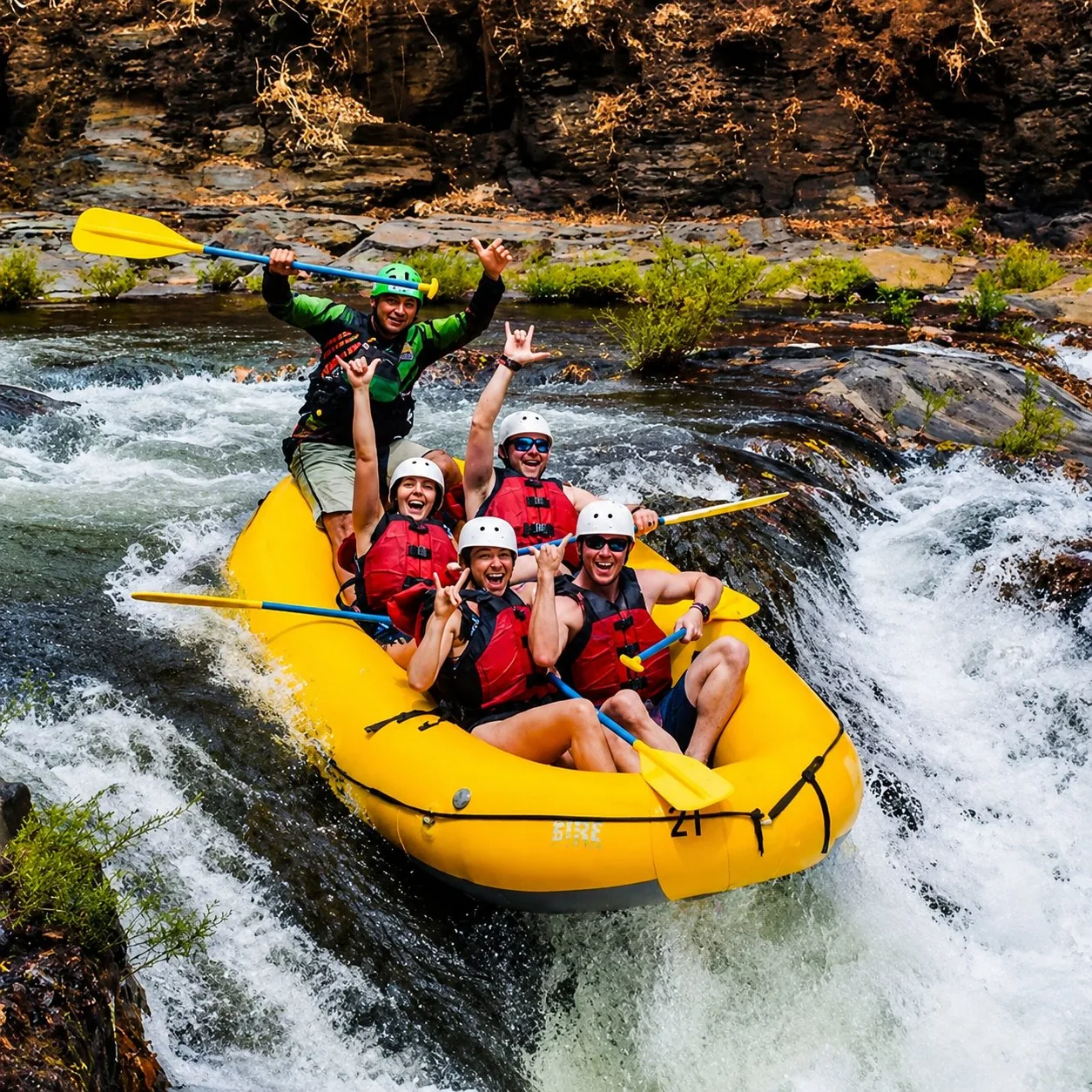
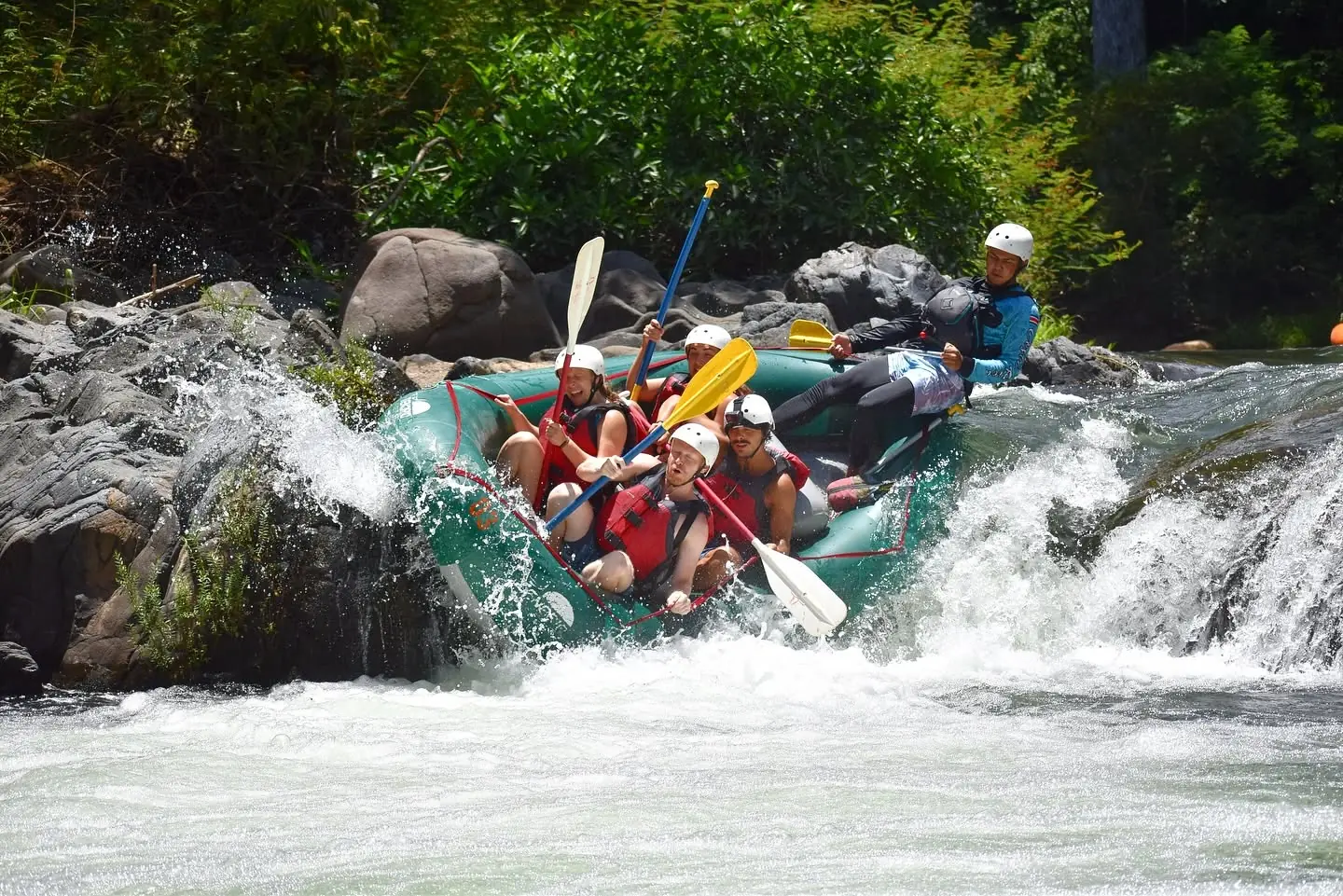
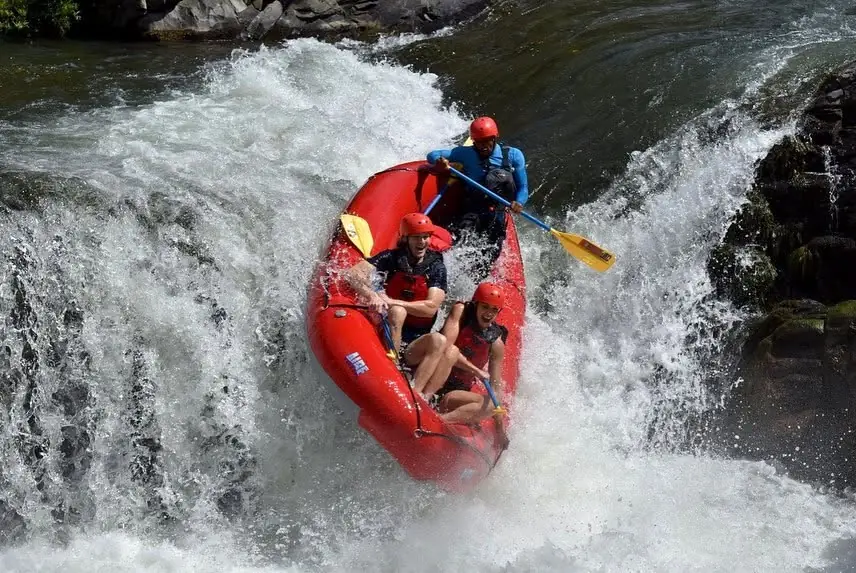
Yes — Tenorio rafting is worth it if you want real whitewater without a long drive from the beach. It is about two and a half hours on the water: around 22 rapids over 12 kilometres, calm pools where you can swim, and the 12-foot drop over Cascabel Falls to finish. No experience needed, from age 10. The one catch is the season: from June to November the river runs full Class III–IV; in the driest months it runs lower and gentler, with the big rapids near the end.
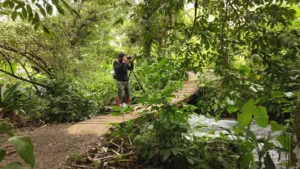
The Río Tenorio rises on the slopes of Tenorio Volcano and runs down from the Bijagua valley toward the lowlands of Guanacaste, Costa Rica. On the way it cuts a canyon through volcanic rock, walled with gallery forest — the ribbon of trees that follows the water through dry country.
That canyon is the rafting run. The rapids come in sets, with pools of calm water between them, and it all ends at Cascabel Falls. Below is what the day really involves, so you can decide with the full picture.
The rapids: work as a team
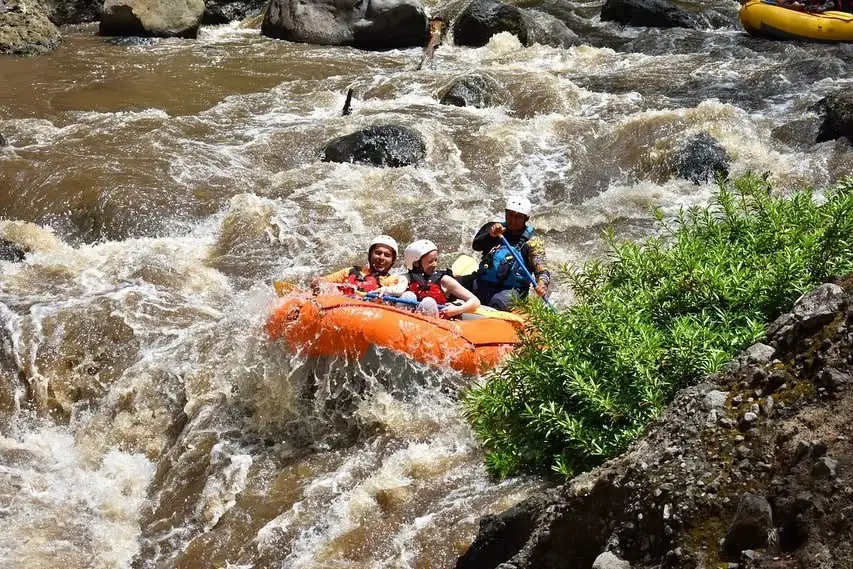
Read-and-run Class III with a few Class IV punches. Your river guide calls every line and every paddle command from the back of the raft; you listen, dig in and get soaked.
The pools: breathe and look around
Between the sets the river slows down. That is when you swim at a few stops, and when the banks show you monkeys, iguanas and herons in the gallery forest.
How hard is Tenorio River rafting?
| The water | Class III–IV: fast rapids with waves and drops, and a few that are more powerful but predictable. In the driest months most of the run is gentler, Class II–III, and the big drops stay near the end. |
|---|---|
| Time on the river | About two and a half hours on the water. With the safety talk and the 4×4 ride to and from the river, count on about three hours for the rafting part of the day. |
| Who runs the raft | A licensed river guide trained for whitewater, with first aid and CPR, sits at the back and steers. Your raft is yours alone; the river is shared, so you will see other rafts along the run. |
| Cascabel Falls | The last rapid: the raft tips over a 12-foot ledge and lands in the pool below. If someone would rather not, they can get out before it and walk around. |
| What you see | Howler and spider monkeys, iguanas on the branches over the water, and herons lifting off ahead of the raft. Now and then, keel-billed toucans. |
| Lunch | A typical Costa Rican lunch at a restaurant after the river, with time to change into dry clothes. |
Three things people get wrong
The rain fills the rapids — the dry season tames them.
From June to November the river carries the most water, and September and October are the wettest months in the Tenorio basin: this is when the run is fullest and wildest. July and August can dip a little during the short midsummer dry spell. From December to May the river runs gentler, and it is lowest around March and April. The one time we hold back is when a tropical storm or a hurricane in the Caribbean brings heavy rain and the river rises too much. We watch it and tell you before the day, and if we cancel for safety you get a full refund. See our guide to the best time to visit Guanacaste, Costa Rica for the rest of the year.
Private tour from Guanacaste, Costa Rica
White Water Rafting on the Tenorio River
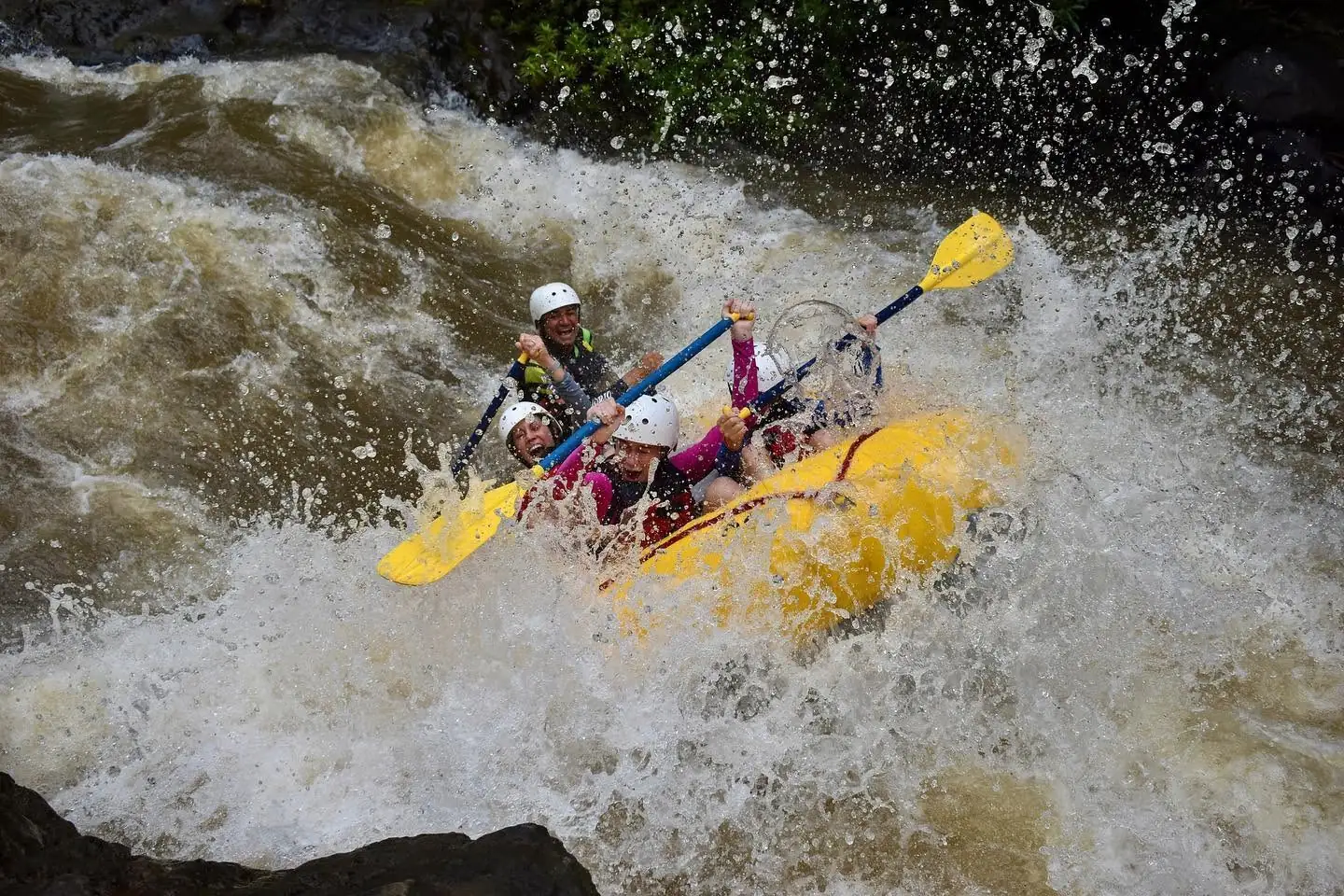
Your own raft and river guide on the Tenorio: about 22 Class III–IV rapids, swimming stops in the calm pools and the Cascabel Falls drop, with private door-to-door transport and a typical Costa Rican lunch.
What else makes Tenorio rafting worth it?
The Tenorio is the river corridor between two very different Costa Ricas. Up the valley is the Tenorio rainforest; down on the plains is the dry forest of Guanacaste. The trees along the banks tie the two together, and animals use them as a road — which is why you can meet rainforest birds on a river in dry country.
The water keeps going after you get out. Downstream, the Tenorio joins the Río Blanco to form the Bebedero, and the Bebedero flows into the Río Tempisque, the river of the crocodiles along the edge of Palo Verde National Park. If you want to see where your rapids end up, read our honest guide to Palo Verde.
Who is Tenorio rafting not worth it for?
We would rather tell you now than have you find out in the raft.
You want big water in March or April
At the end of the dry season the river is at its lowest. It is still a fun day, but if maximum whitewater is the point, come between June and November.
You are not comfortable in water
You will get soaked, and someone may end up swimming a rapid. It is also not for children under 10, pregnant travellers, or anyone with a recent back, neck or heart problem.
You want to watch wildlife calmly
In a raft you are paddling, not holding binoculars. For a slow drift where the guide rows and you look, the Corobicí & Tenorio safari float is your day.
Toucans where they shouldn’t be
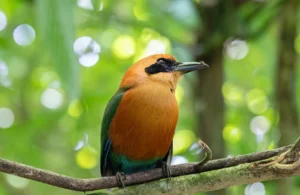
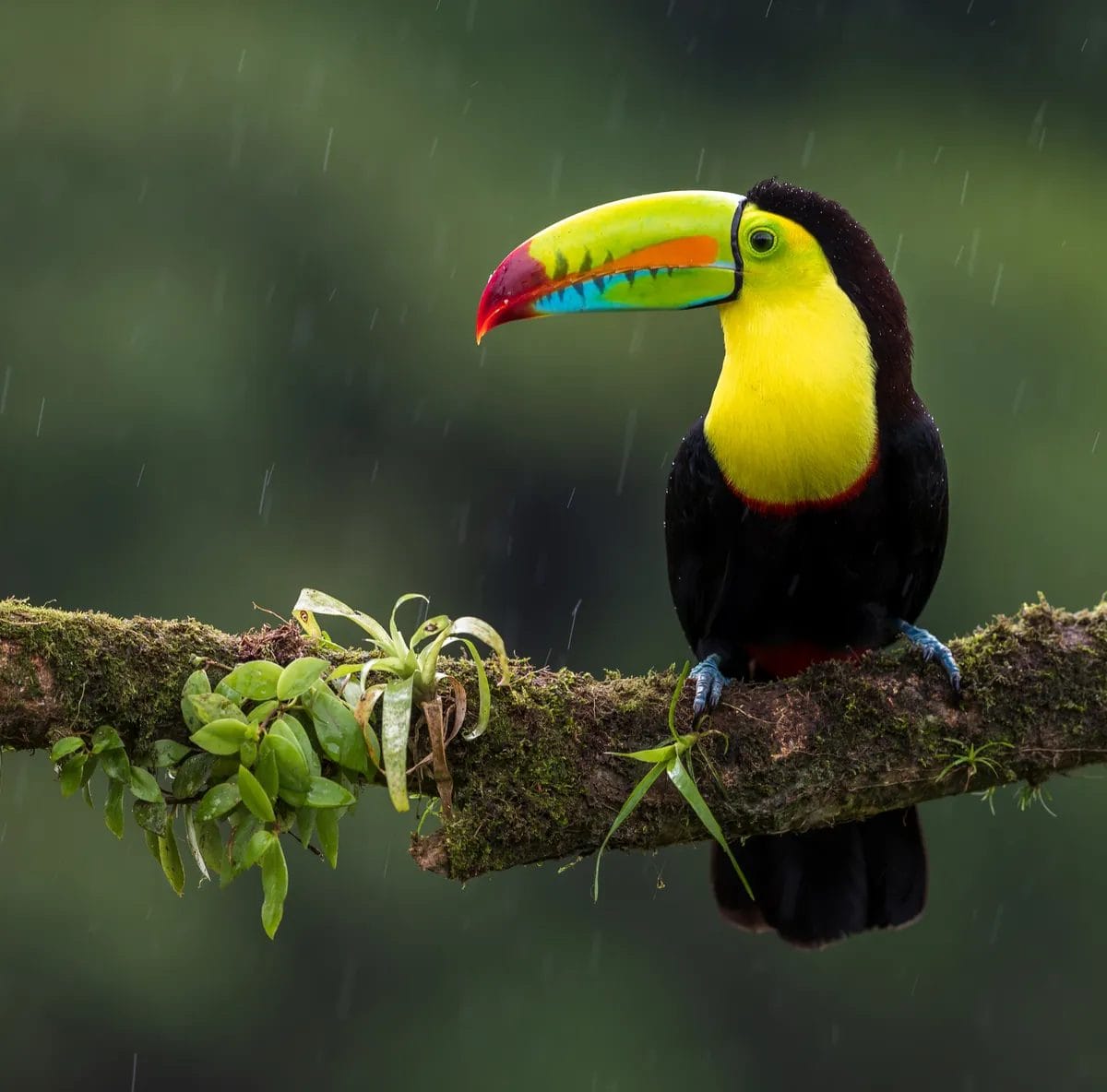
For years I had never seen a toucan in the dry forest of Guanacaste, Costa Rica. They belong up in the rainforest, in the wet hills around the volcanoes — not down in the heat of the plains.
On the Tenorio I have seen them. They come down from the Tenorio rainforest along the river, using the line of trees on the banks as a safe road into dry country. It does not happen every trip, but when a toucan shows up over the canyon, it is one of those moments that tells you how this river connects two worlds. More on the toucans of Guanacaste, Costa Rica.
The volcano, and its river, carry the name of a warrior.
An old Chorotega legend tells of a monster that lived in a lagoon on the slopes of the volcano, near a hill called the Cerro de los Cascabeles. When it attacked Eskameca as she bathed, her betrothed, Tenorí, went after it with arrows tipped in snake venom. He chased the creature into the water, and neither was ever seen again. Eskameca waited on the shore until grief consumed her, and only his name stayed, on the mountain. It is only a coincidence, but a nice one: the last rapid on the river is called Cascabel Falls.
Other days that pair well
Safari float
The same river corridor, slow and calm, built for wildlifeSloth & Waterfall Combo
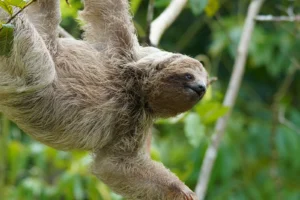
Sloths and forest in the Tenorio rainforest, on another dayIs Palo Verde worth it?
Where the Tenorio’s water ends up: the TempisqueIs Río Celeste worth it?
Our honest take on the blue river of TenorioLooking beyond these four? Our guide to things to do in Guanacaste, Costa Rica sorts the rest by zone and by season.
Wear the right shoes
Water shoes or sandals with a strap. No flip-flops: they come off in the first rapid.
Bring a dry change
Swimwear under your clothes, sunscreen, sunglasses with a strap, and dry clothes for lunch.
Pick your season
Fullest water June to November. Gentler December to May, lowest around March and April.
Going on your own? Check the river first
The Tenorio is run by a few local outfitters, and the last stretch to the river is a rough back road. After heavy rain, ask whether the river is running before you drive, and book with an outfitter whose river guides are licensed for rafting in Costa Rica.
Tenorio rafting — quick questions
Yes, if you want real whitewater close to the beaches of Guanacaste, Costa Rica: about 22 rapids, swimming stops and the Cascabel Falls drop in two and a half hours on the water. It is less worth it at the lowest water in March and April if you want the biggest rapids, or if you are not comfortable in the water.
It is mostly Class III with a few Class IV rapids. No experience is needed — your guide teaches you on the bank first — but you should be comfortable in the water and fit enough to paddle. The minimum age is 10, and anyone who prefers can walk around Cascabel Falls.
About two and a half hours on the water. With the safety talk and the 4×4 ride to and from the river it is about three hours, and the whole day, with the drive from the coast and lunch, is a full day out.
June to November for the fullest water, with September and October the wettest months. December to May is gentler, and the river is lowest around March and April. We only cancel when a tropical storm or hurricane brings too much rain, and you get a full refund.
Howler and spider monkeys, iguanas and herons along the gallery forest of the canyon. Keel-billed toucans are seen now and then: they come down from the Tenorio rainforest along the river.
About 1 hour 15 minutes from Papagayo and Playas del Coco, and about 2 hours 30 minutes from Tamarindo, each way. It is the closest real whitewater to the coast of Guanacaste, Costa Rica.
Come run the Tenorio with us
We run Tenorio rafting as a private day from the coast of Guanacaste, Costa Rica — your own raft and river guide, the Cascabel Falls drop, and a typical Costa Rican lunch after the river. Tell us where you are staying, when you are coming and how wild you want the water, and we will tell you honestly what the river will be like that week.