Playas del Coco · Guanacaste, Costa Rica Family-run · Naturalist-led since 2014 5.0 · 312 reviews on TripAdvisor
Guanadreams CRPrivate naturalist tours
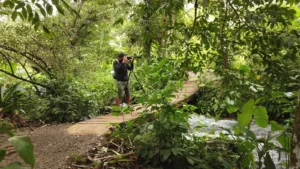
Miller guiding with a spotting scope on a rainforest bridge
Tailor-made Design your private trip

One day or a whole trip across Costa Rica. Tell us your dates and what you want to see; we build each day around you, with hotel pickup.

Design your trip → WhatsApp +506 8540 7408
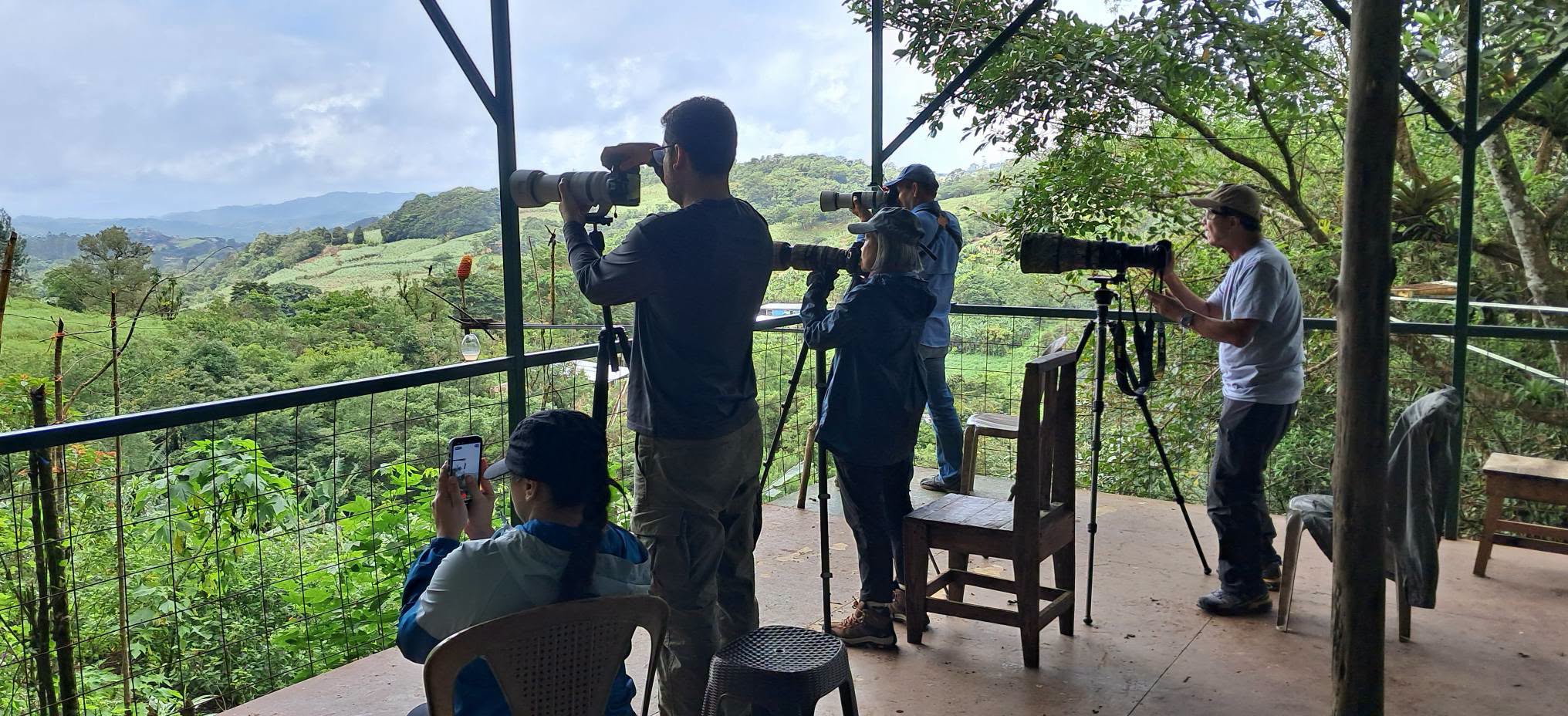
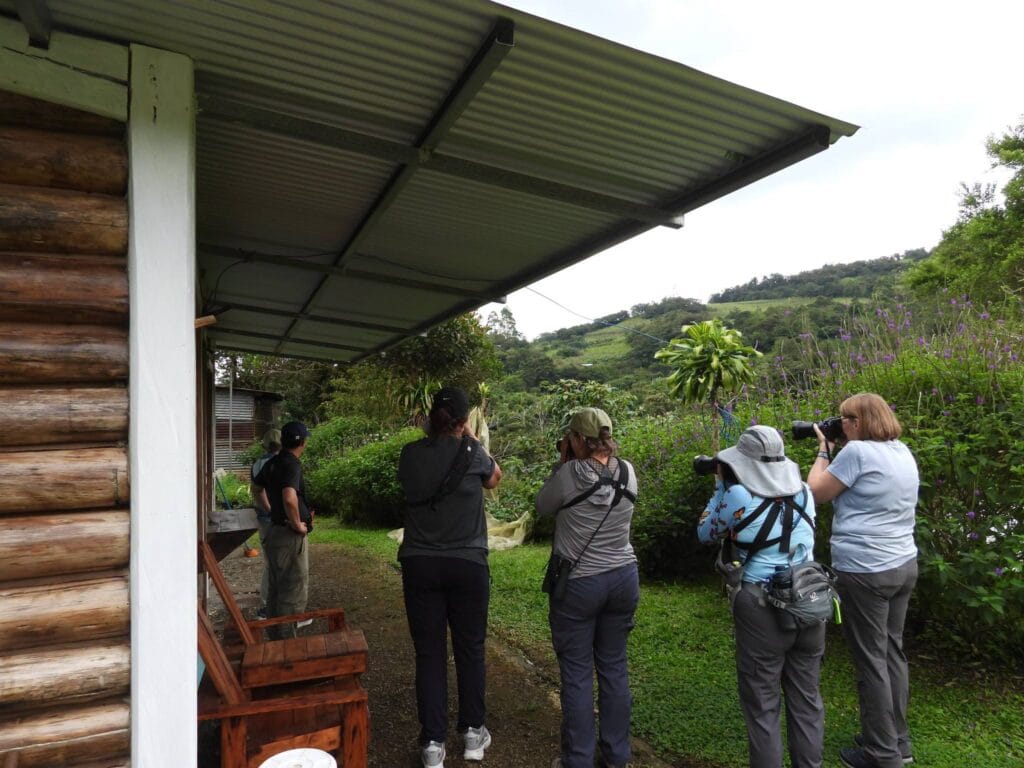
Photographers with long lenses on the covered deck at the upper feeder, Valle de los Quetzales, San Ramón, Costa Rica

Natural-light bird & wildlife photography · From your hotel or Liberia airport

Bird & Wildlife Photography in Guanacaste, Costa Rica

Private photo days from the beach hotels and Liberia airport to nine sites in six habitats: dry forest, rice fields, river and marsh, salt ponds and mangroves, rainforest on the continental divide and cloud forest at two elevations. Led by Miller Contreras, Naturalist Guide and Wildlife Photographer. New to wildlife photography? Start with two hours in the Tenorio rainforest.

Plan a photo day → See the spec sheets →
6Habitats, 9 sites
0–1,500 mSea level to cloud forest
40–44 minMorning golden hour
100% privateOnly your group, your pace

Quick answer

Guanadreams CR runs private bird photography days from the beach hotels of Guanacaste, Costa Rica, and Liberia airport (LIR), led by Miller Contreras, Naturalist Guide and Wildlife Photographer. Sites run from the Las Trancas fields, 20 minutes from Playas del Coco, Rincón de la Vieja, the top eBird hotspot in the province, and Palo Verde, 1 h 20 from every hotel zone, to the Tenorio Rainforest north of Guanacaste and Valle de los Quetzales, San Ramón, where the Resplendent Quetzal is on 85% of May eBird checklists. New to wildlife photography? A two-hour session in the Tenorio rainforest, with a camera or just your phone, is an add-on to our Sloth & Waterfall Rainforest Combo from US$70 per private group of 2. Recorded, not promised.

Updated October 2026 · Spec sheets compiled by Miller Contreras with the local guides · eBird figures from the Cornell Lab of Ornithology

At a glance

Nine Sites, One Table

Where each site is, when to leave your hotel, how long the good light lasts, how far the birds usually are and which lens to bring. Hotel times are how long before a 6:30–7:00 a.m. arrival we leave.

Distances are typical working distances in the field. Lens figures are full-frame equivalents. The Tenorio Rainforest, Monteverde and San Ramón are outside Guanacaste, Costa Rica; we reach them by road from your hotel.
Site Habitat · elevation Leave Coco / RIU Tamarindo Liberia Best months Light window Distance Lens
Las Trancas fieldsRice paddies, pasture · lowland20 min (Hermosa, Panamá 15)1 h30 minWhen the paddies hold water (follows the rice cycle)Sunrise–7:3015–80 m400–600 mm
Palo Verde by boatRiver and marsh · sea level1 h 201 h 201 h 20Dec–AprSunrise–8:005–30 m; Jabiru farther100–600 mm
Rincón de la Vieja foothills ★Dry-to-humid forest · 600 m and up1 h 302 h 3030 minMar–Jul manakinsRanch from 6:00; park 8:003–20 m100–500 mm
Gulf of Nicoya salt pondsPonds, mudflats, mangroves · sea level2 hAsk usAsk usAug–FebMorning high tide20–100 m500–800 mm
Tapir Valley, Tenorio RainforestRainforest · about 780 m2 h2 h 451 hAll yearArrival–10:002–5 m garden; 20–45 m canopy100–600 mm
Heliconias, Tenorio RainforestRainforest, hanging bridgesAbout 2 hAbout 2 h 45About 1 hAll yearArrival–mid-morning10–30 m from the bridges300–600 mm
Curi-Cancha, MonteverdeCloud forest, hummingbird feeders · 1,450–1,615 m3 h, or stay the nightAsk usAsk usFeb–Jun quetzal · May–Jun bellbird7:00–10:30, then the feeders10–20 m; close at the feeders100–500 mm
Valle de los Quetzales, San Ramón · lodgeGardens, covered decks · about 1,200 m3 h 454 hAbout 3 h 30All yearFirst light–mid-morningClose: 2–6 m100–400 mm
Valle de los Quetzales, San Ramón · reserveCloud forest · about 1,500 m3 h 454 hAbout 3 h 30Feb–Jun quetzalFirst light–10:0010–30 m500–600 mm

Light planner

The Good Light Is Short. Plan Around It.

At 10.5° north the sun climbs steeply. In Guanacaste, Costa Rica, the morning golden hour lasts only 40 to 44 minutes in every month, and the sun clears 30° between 7:32 and 8:24 a.m. Pick a month to see the times at Playas del Coco and what is at its best.

For photographers: a standard 6:30–7:00 a.m. arrival catches low, warm light, not golden hour. Ask for an earlier start, a site close to your hotel, or a night near the site.

Sunrise

5:50

Morning golden hour

5:36–6:17

Sun above 30° (light turns hard)

7:55

Evening golden hour

5:26–6:06 pm

Best bet in March

The best overlap of the year: quetzal 77%, Ornate Hawk-Eagle 51% and the Jabiru peak at Palo Verde.

Weather in Liberia

4 mm of rain, 0 rain days, 304 h of sun; the sunniest month · Day length 12 h 03

Sun times computed for the 15th of each month at Playas del Coco (10.55° N); the Tenorio Rainforest and Valle de los Quetzales, San Ramón are 3 to 6 minutes earlier. Rain and sunshine: IMN climate normals for Liberia.

Spec sheets · lowlands

The Lowlands of Guanacaste, Costa Rica

Open light, big birds and a short morning. Here the hide is the vehicle on a field road, a boat on the Tempisque or a low position by the water.

Giant strangler fig in the forest at Rincón de la Vieja, Guanacaste, Costa Rica

Our lead dry-forest site

Rincón de la Vieja, Guanacaste, Costa Rica

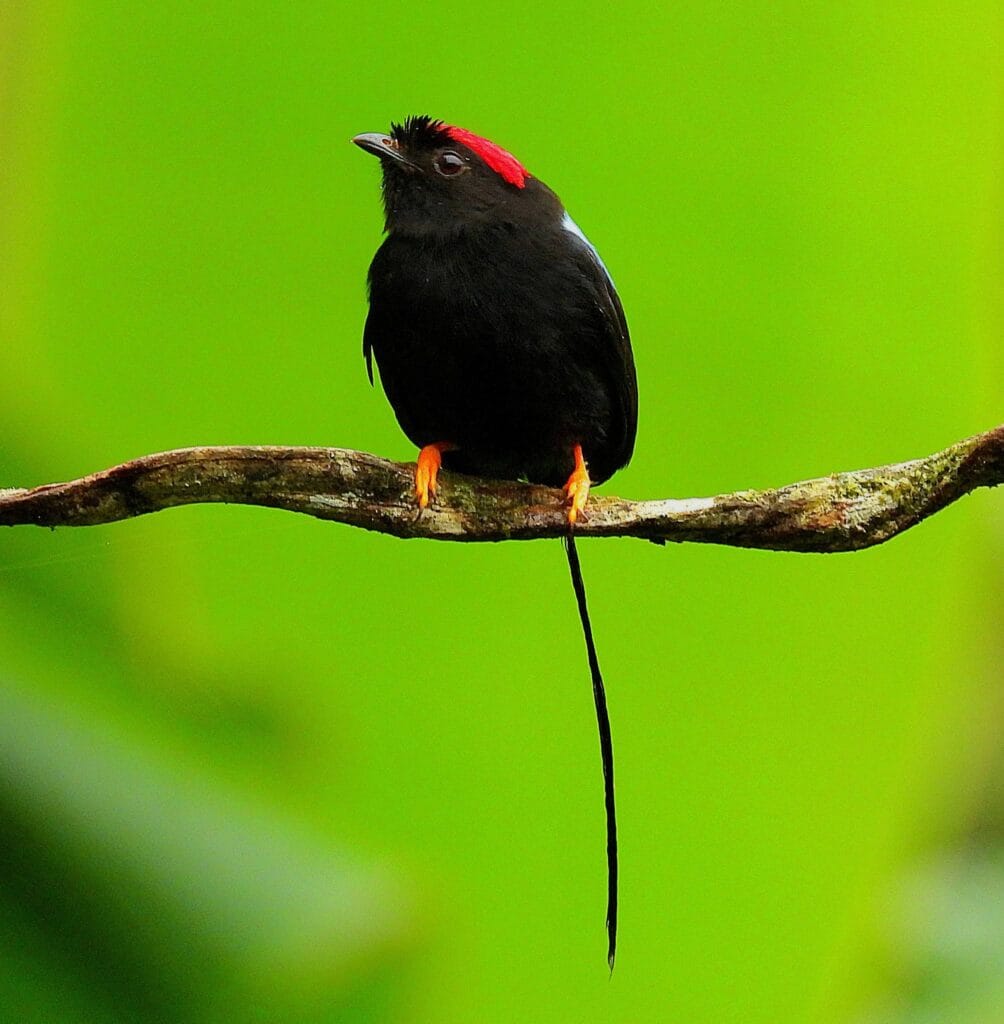
The top eBird hotspot in Guanacaste, Costa Rica: 482 taxa on 1,243 checklists at the Las Pailas sector, 30 minutes from Liberia. First light goes to private ranch land below the volcano, from 6:00; the park opens at 8:00 and closes on Mondays. Long-tailed Manakins display from March to July, and most birds sit 3–20 m away, so a 100–500 mm zoom covers the day.

Leave your hotel

Liberia 30 min · Coco and RIU 1 h 30 · Tamarindo and Las Catalinas 2 h 30

Light

Ranch land from 6:00 · park from 8:00 to 3:00 p.m.

Distance and lens

3–20 m · 100–500 mm zoom

Best months

March to July for the manakin display; peaks in May and June

Share of eBird checklists: Long-tailed Manakin 65% (80% in May) · White-throated Magpie-Jay 68% · Keel-billed Toucan 43% · Banded Wren 41% · Lesson’s Motmot 40% · Orange-fronted Parakeet 37% · Great Curassow 31% · Lesser Ground-Cuckoo 30% · Turquoise-browed Motmot 59% in June

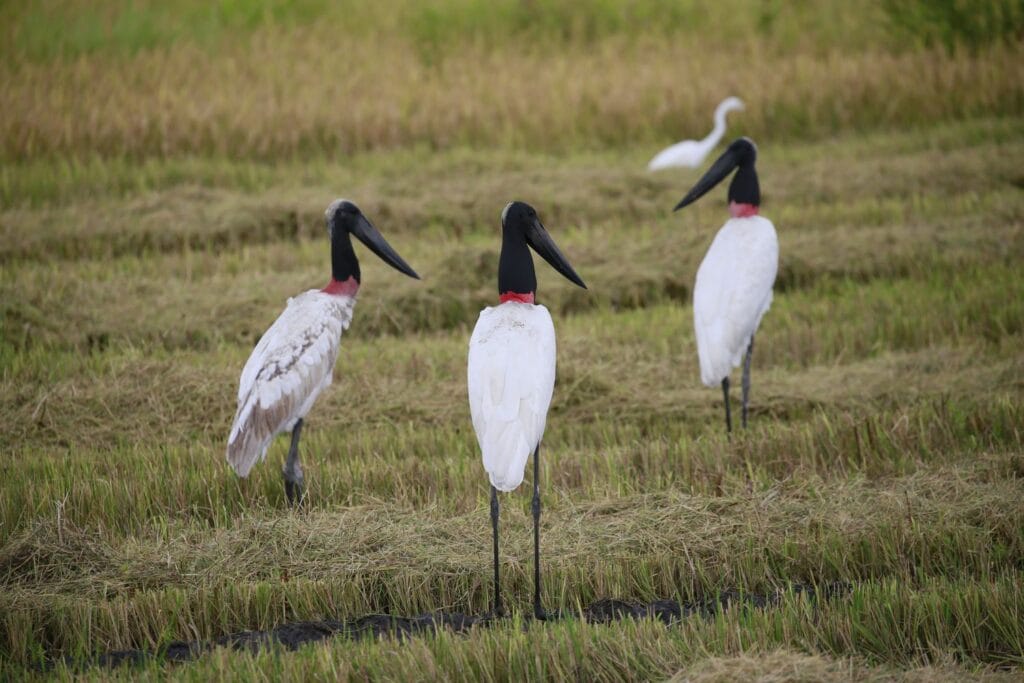
Three Jabirus standing in the rice fields, Guanacaste, Costa Rica

Las Trancas Farm Fields

Rice paddies and pasture 20 minutes from Playas del Coco and Papagayo, and 15 from Playa Hermosa and Playa Panamá, worked from the road edge at first light. Wading birds usually feed 15–80 m out, so bring 400–600 mm. The only site where true golden hour fits easily. Jabiru is on 23% of eBird checklists here.

Leave Coco · Liberia
20 min · 30 min
Light
Sunrise to 7:30
Distance
15–80 m
Lens
400–600 mm, from the vehicle

Wood Stork 47% · Crested Caracara 53% · Roseate Spoonbill 21% · Limpkin 31%

Jabiru stork in flight over the Palo Verde wetlands, Guanacaste, Costa Rica

Palo Verde by Boat

A boat on the Tempisque River and the 80 m boardwalk over the marsh. Herons sit 5–30 m from the boat; Jabirus feed farther out. Rest the lens on the rail. Jabiru peaks in March, on 37% of eBird checklists, when falling water concentrates the birds.

Leave any hotel
1 h 20
Light
Sunrise to 8:00
Distance
5–30 m; Jabiru farther
Lens
100–500 zoom; 600 for Jabiru

Black-bellied Whistling-Duck 65% · Northern Jacana 65% · Bare-throated Tiger-Heron 40% · Limpkin 34%

Gulf of Nicoya Salt Ponds

Salt ponds, mudflats and mangroves at Colorado de Abangares, a shorebird site of the Western Hemisphere Shorebird Reserve Network. Arrive before a morning high tide, get low with the sun behind you and let the rising water bring the birds. The endemic Mangrove Hummingbird works the mangrove edge from September to March.

Leave Coco
2 h
Light
Set by the tide calendar
Distance
20–100 m
Lens
500–800 mm; teleconverter

Southbound shorebirds from August · wintering flocks to February · Black Skimmer and terns at the roosts

Spec sheets · rainforest and cloud forest

Up From the Coast: Rainforest and Cloud Forest

North of Guanacaste, Costa Rica, on the continental divide, the light drops and the birds come closer. Here you work garden platforms, hanging bridges and covered decks, at ISO 3200 to 6400.

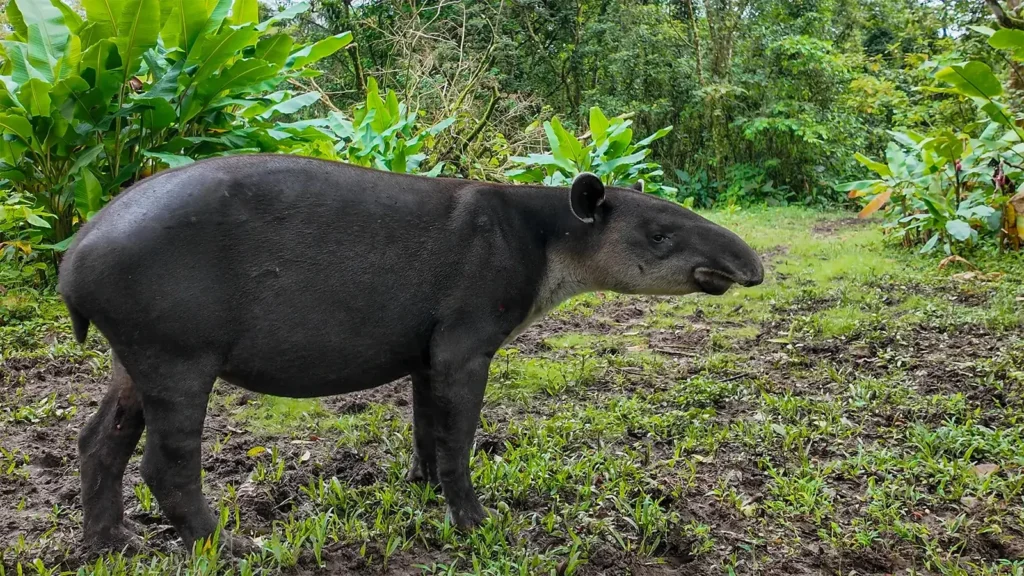
Baird's tapir standing in a clearing at Tapir Valley, Tenorio Rainforest, Costa Rica

Tapir Valley, Tenorio Rainforest

A private rainforest reserve at about 780 m below the Tenorio Volcano, with a hummingbird-garden platform and a lagoon. It is named for the Baird’s tapir, which lives here. Beyond the birds: eyelash palm-pitvipers and fer-de-lances, shot from a safe distance, coatis, collared peccaries, squirrels and, for landscape photographers, the volcano behind the valley. Garden hummingbirds work at 2–5 m, canopy birds at 20–45 m. The nearest documented Snowcap site from Guanacaste, Costa Rica: a male was photographed here at 428 mm and ISO 4000.

Leave Coco · Liberia
2 h · 1 h
Light
Arrival to 10:00
Distance
2–5 m garden; 20–45 m canopy
Lens
100–600 mm

Baird’s tapir · Snowcap · Yellow-eared Toucanet · Spectacled Owl · Rufous-tailed Jacamar · eyelash palm-pitviper

Canopy observation platform on the Heliconias hanging bridges, Tenorio rainforest, Costa Rica

Heliconias, Tenorio Rainforest

A private rainforest reserve with three hanging bridges about 30 m above the forest floor. From the bridges you stand level with canopy birds 10–30 m away instead of shooting straight up.

Leave Coco
About 2 h
Light
Arrival to mid-morning
Distance
10–30 m from the bridges
Lens
300–600 mm

Bridges flex underfoot: fast shutter, no tripod

Three-wattled Bellbird perched on a mossy trunk in the cloud forest, Costa Rica

Curi-Cancha, Monteverde

A long day or an overnight from Guanacaste, Costa Rica. Curi-Cancha is a private cloud-forest reserve at 1,450 to 1,615 m that opens at 7:00 and lets in only 50 visitors at a time. The quetzal feeds at a wild-avocado tree with a bench and a small platform, from February to June; the bellbird peaks in May and June. When the cloud rolls in at mid-morning, we move to the hummingbird feeders by the entrance of the Monteverde Cloud Forest Reserve, where the light holds even under an overcast sky.

Leave Coco
3 h, or stay the night
Light
7:00 to 10:30, then the feeders
Distance
10–20 m · close at the feeders
Lens
100–500 mm

With a night: a second dawn at the Santa Elena reserve, or at Bajo del Tigre in the bellbird season.

About 250 species recorded · Emerald Toucanet · Black Guan · Coppery-headed Emerald and Violet Sabrewing at the feeders

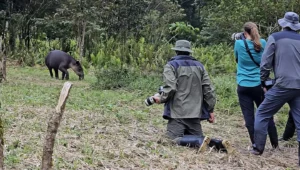
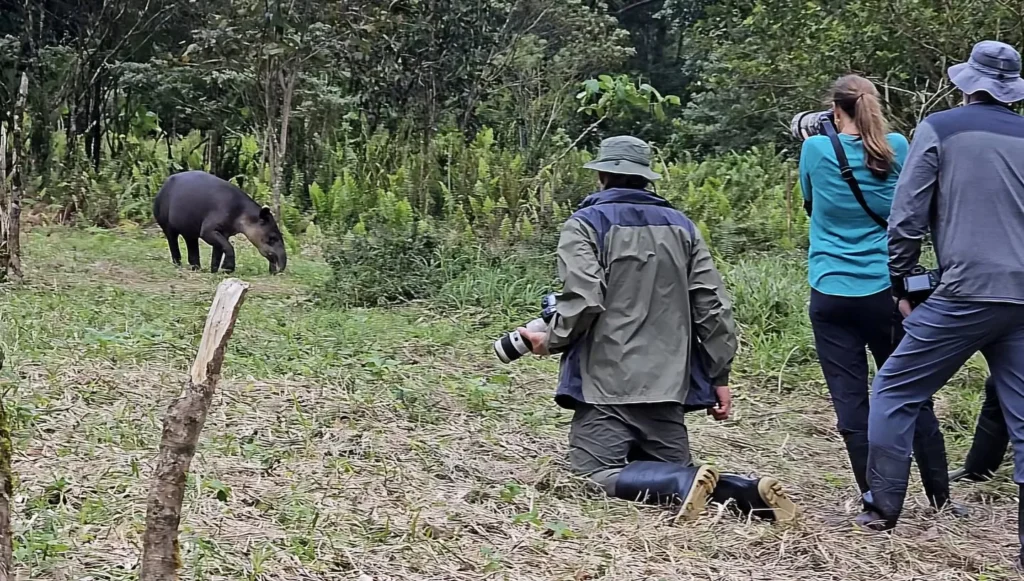
Wildlife photographers kneeling to photograph a Baird's tapir at Tapir Valley, Costa Rica

Tapir Valley · conservation in the field

The Tapir and the Jícaro Danto

Baird’s tapir, the largest land mammal in Central America, gives this valley its name. About 11 tapirs move through Tapir Valley and some 50 through the Tenorio-Miravalles Biological Corridor around it, so the chance is real: we saw and photographed one on each of our last two visits.

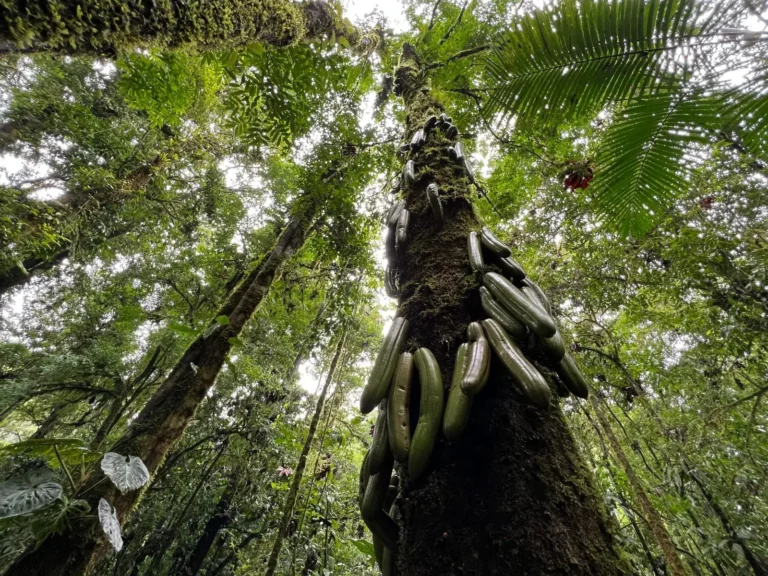
The tapir also plants a tree. The jícaro danto (Parmentiera valerii) is endemic to the Cordillera de Guanacaste, Costa Rica, and listed as endangered. Tapirs eat its fruit and carry the seeds in their dung; in the wild, its seedlings come up almost only where tapirs have passed. Donald Varela, who turned this former cattle farm into a 104-hectare reserve, raises the seedlings in a nursery with tapir dung in the soil. More than 7,000 jícaro danto trees have been planted in the region, 623 of them inside the reserve.

Figures: Mongabay Latam, October 2026. Tapirs are wild: recorded, not promised.

From our mornings at Tapir Valley

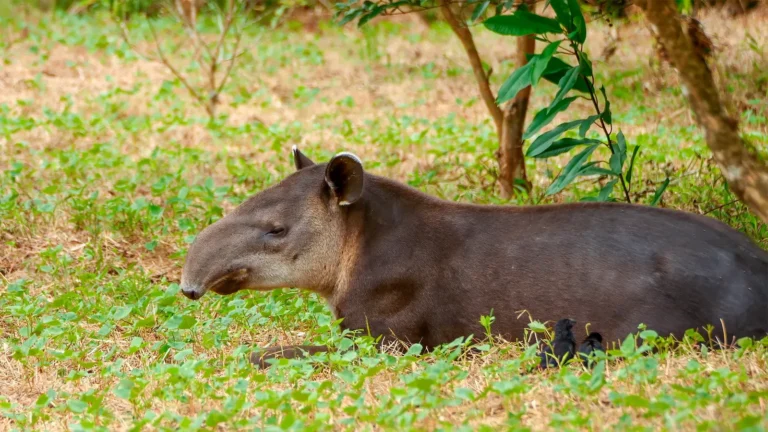
Baird's tapir resting in the grass at Tapir Valley, Costa Rica
Baird’s tapir at rest
Jícaro danto tree (Parmentiera valerii) with fruit growing on its trunk, Tapir Valley, Costa Rica
Jícaro danto fruit on the trunk
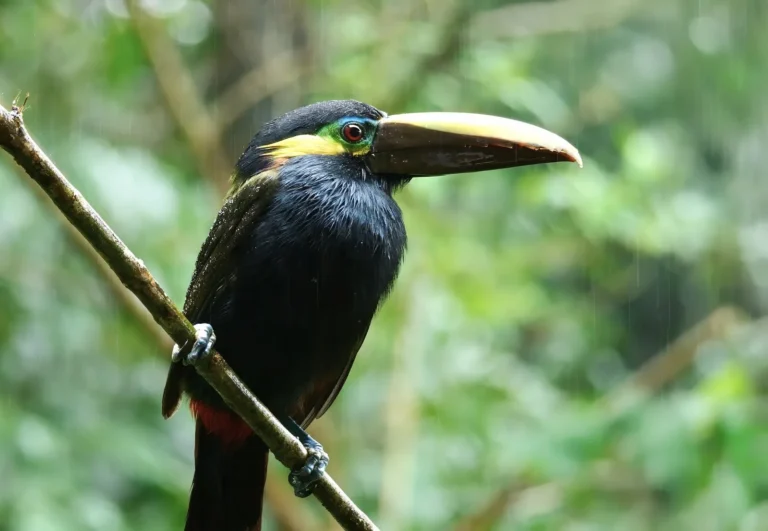
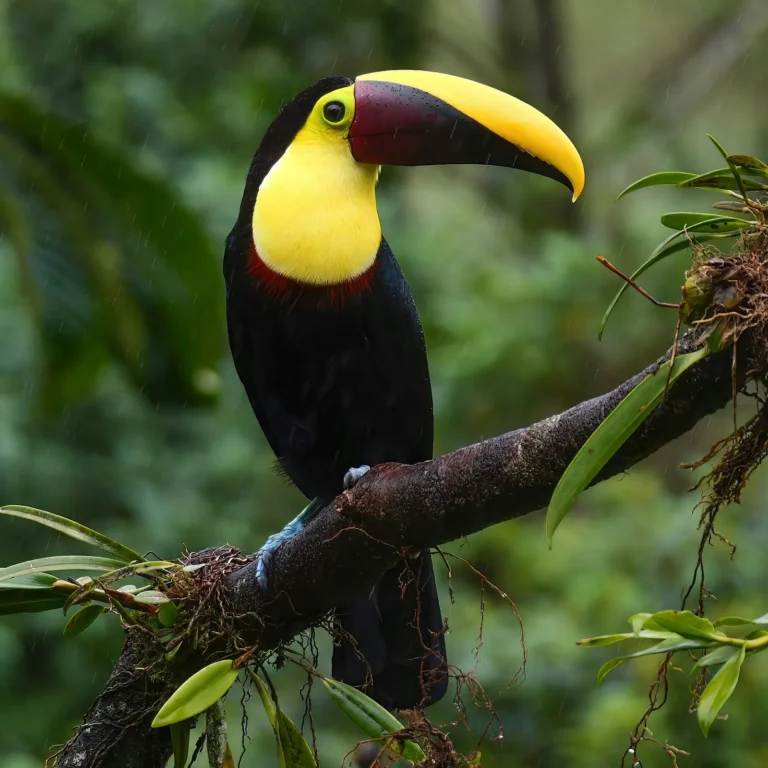
Yellow-eared toucanet perched in the rain at Tapir Valley, Tenorio Rainforest, Costa Rica
Yellow-eared Toucanet
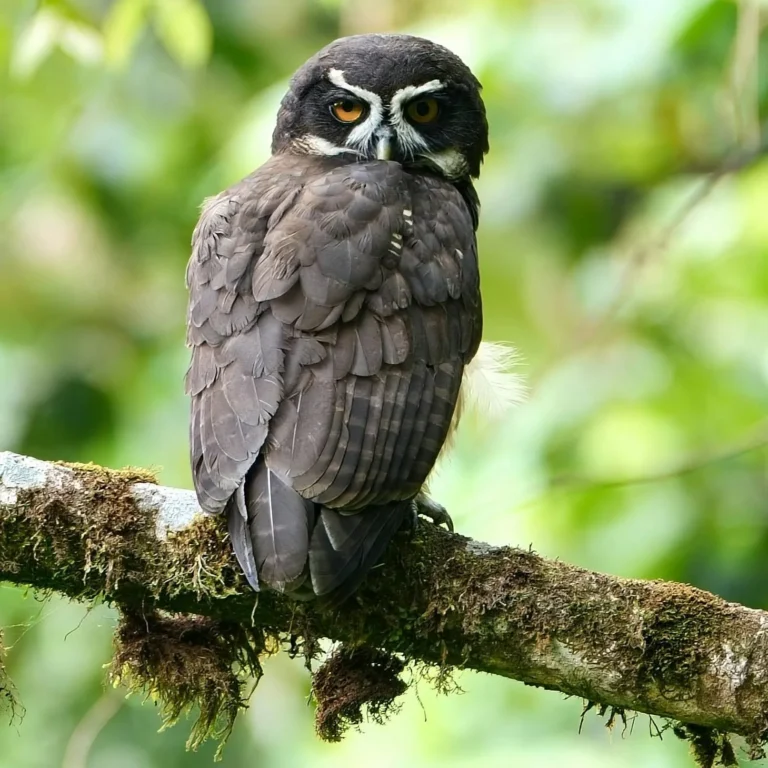
Spectacled owl on a mossy branch at Tapir Valley, Costa Rica
Spectacled Owl
Rufous-tailed jacamar perched at Tapir Valley, Costa Rica
Rufous-tailed Jacamar
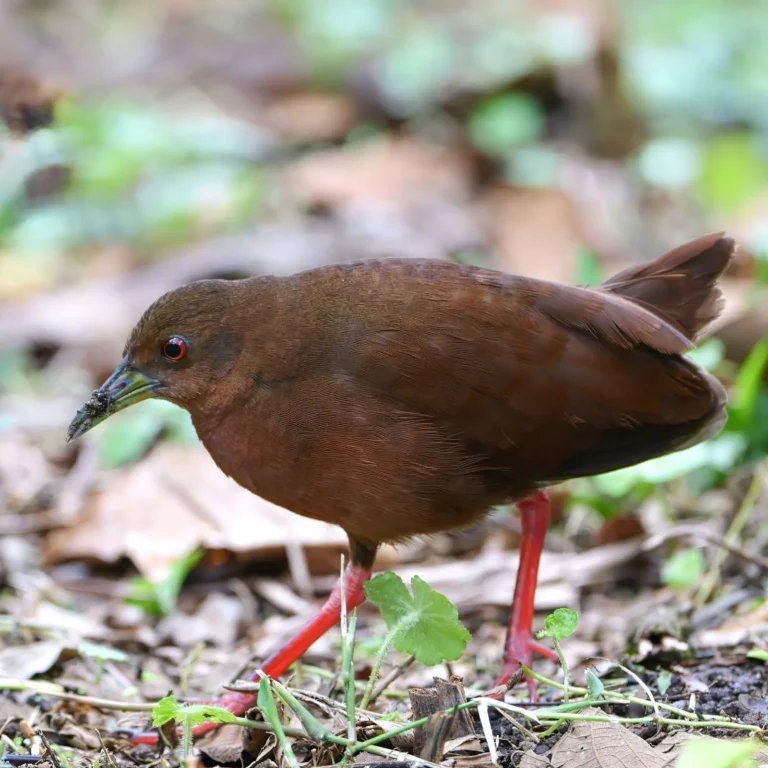
Uniform crake walking on the forest floor at Tapir Valley, Costa Rica
Uniform Crake
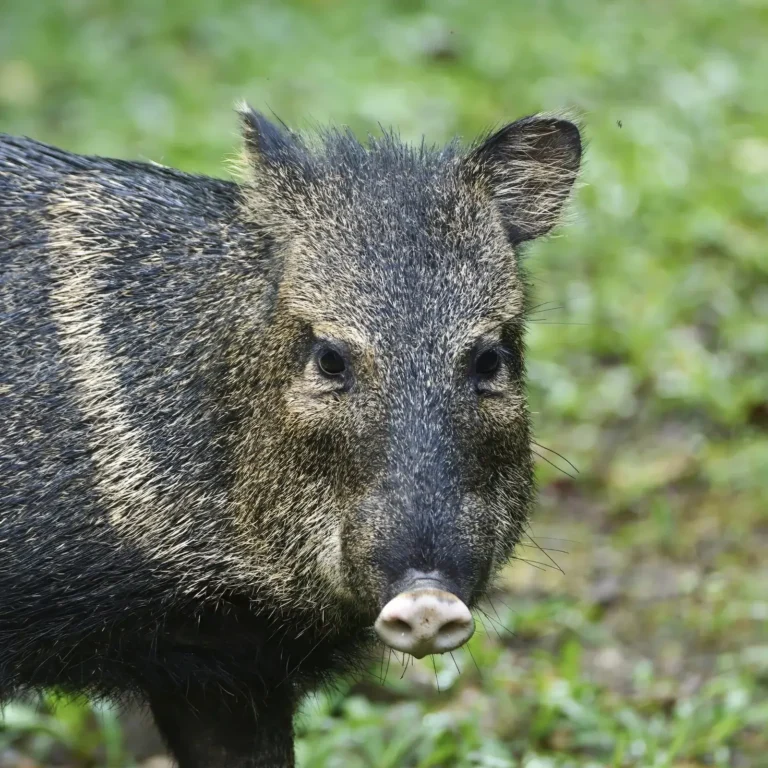
Collared peccary on the forest floor at Tapir Valley, Costa Rica
Collared peccary
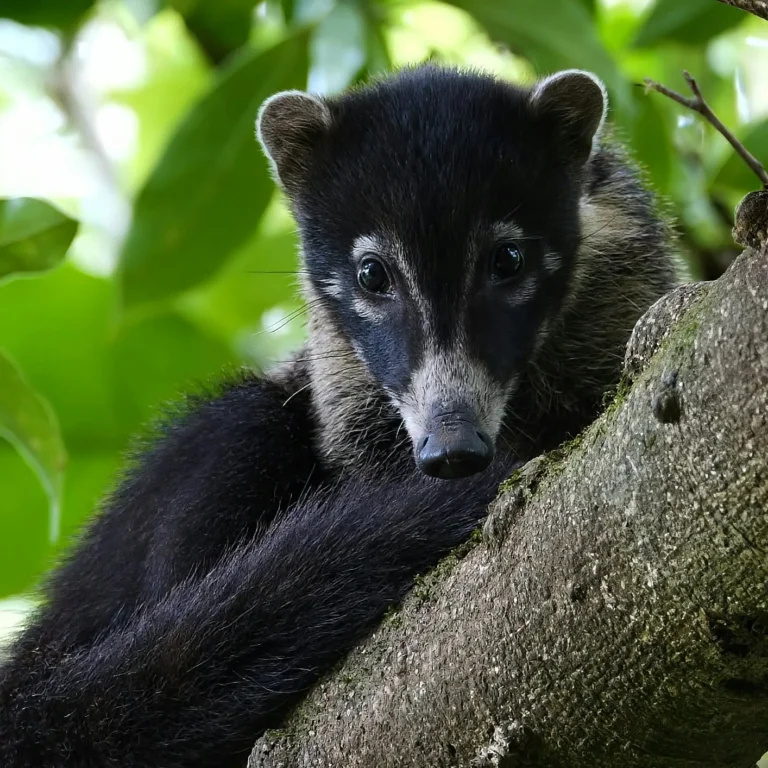
Young white-nosed coati resting in a tree at Tapir Valley, Costa Rica
White-nosed coati
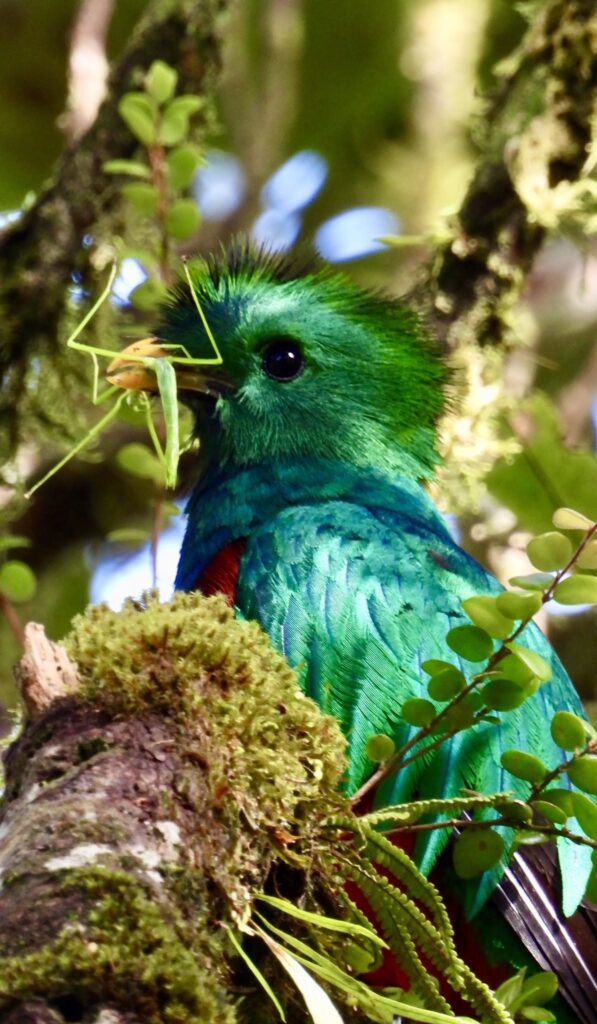
Male Resplendent Quetzal holding a katydid to feed its chick at Valle de los Quetzales, San Ramón, Costa Rica

Two elevations · one short drive

Valle de los Quetzales, San Ramón

Two cloud forests fifteen minutes apart. At Romain’s lodge, about 1,200 m, you shoot hummingbirds and tanagers from covered decks, and the Long-tailed Manakin at an upper feeder that faces the open valley. In the reserve, about 1,500 m, the local guides know the quetzal’s fruiting trees. Leave Coco 3 h 45 ahead, or stay the night.

Lodge · 1,200 m

Coppery-headed Emerald 36–60% every month · 25 hummingbird species · 100–400 mm · covered in the rain

Reserve · 1,500 m

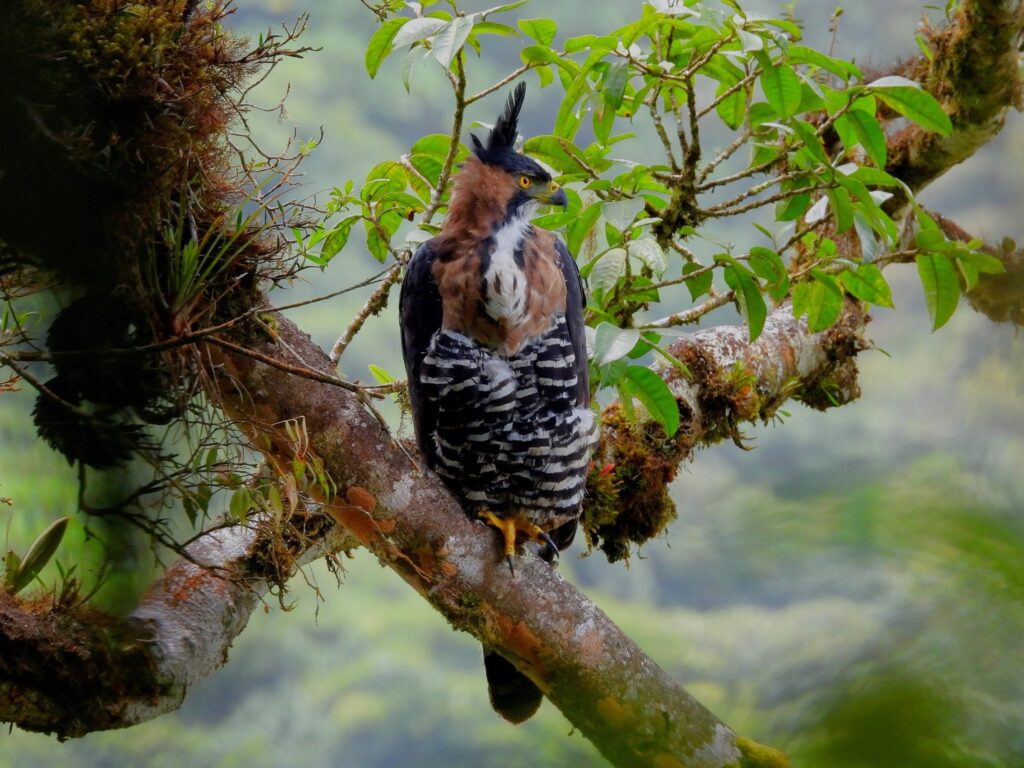
Quetzal 77% in March, 85% in May · Ornate Hawk-Eagle up to 51% · 500–600 mm

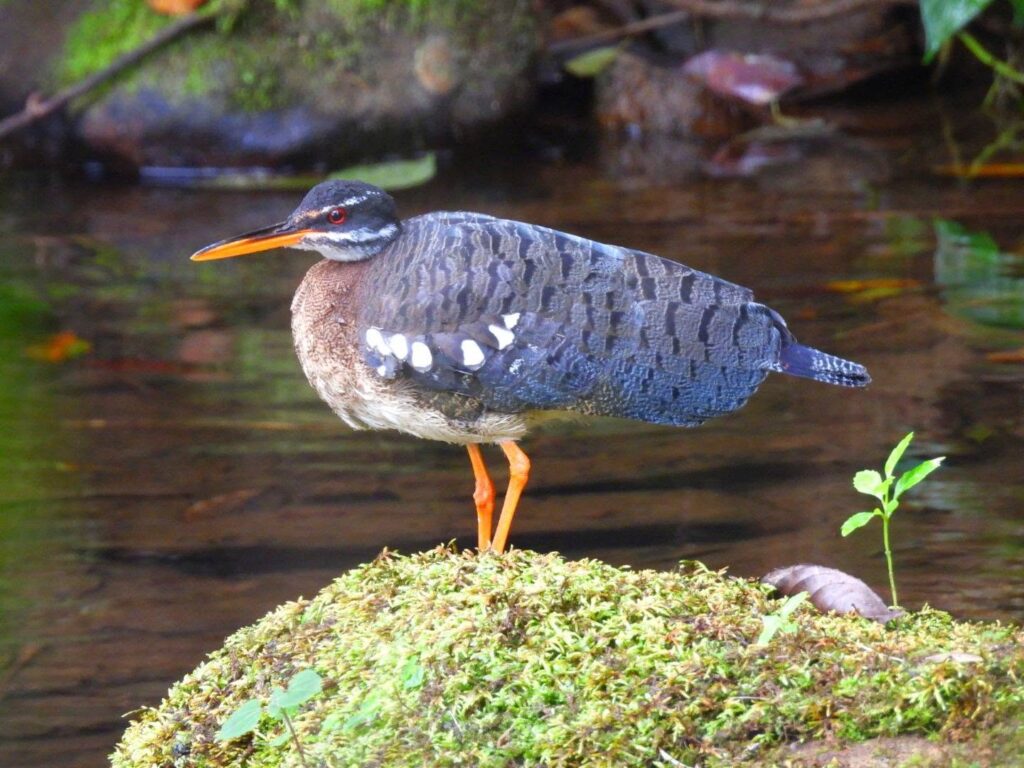
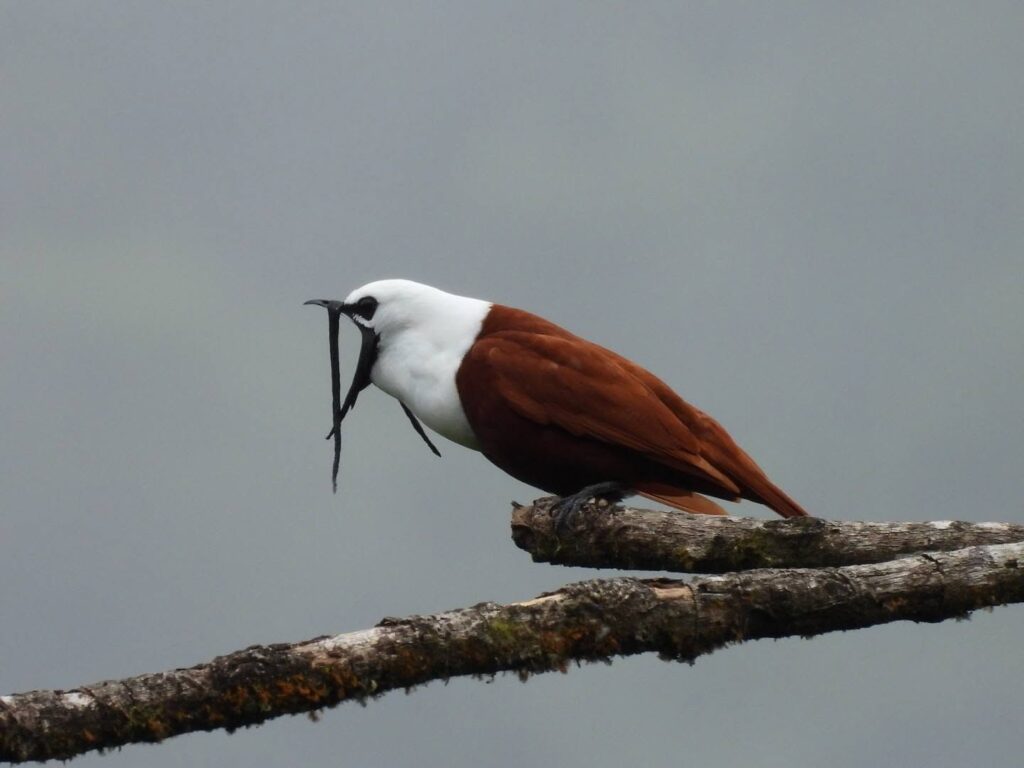
Male Long-tailed Manakin on a perch at the upper feeder, Valle de los Quetzales Adult Ornate Hawk-Eagle perched above the valley, Valle de los Quetzales Sunbittern standing on a mossy rock by the stream, Valle de los Quetzales Male Three-wattled Bellbird calling from a bare branch against the cloud, Valle de los Quetzales
See the Valle spec sheet →
Guests photographing hummingbirds from the covered porch of a cabin, Valle de los Quetzales, San Ramón

Straight answer

Hides and Feeders Near Liberia: What Actually Exists

  1. In the lowlands around Liberia: no fixed hides. The hide is our vehicle on a field road, a boat on the Tempisque or a low position by the water.
  2. A garden platform in the Tenorio Rainforest, 1 h from Liberia: the hummingbird-garden platform at Tapir Valley.
  3. Covered photo decks at Valle de los Quetzales, San Ramón: gardens and feeders at about 1,200 m, and an upper feeder that faces the open valley, so the bird stands against distant green.

The product

A Private Photo Day Built Around Light

A birding day chases a long list. A photo day chases light, distance and background: fewer sites, longer sits, the sun behind you and a rest through the midday heat.

01

Before the trip

A short questionnaire on your bodies, lenses and target birds, and a shot list we agree on.

02

In the field

The guide reads the light, spots, positions you for a clean background and carries the scope. You shoot.

03

What we carry

A spotting scope and binoculars on every day. Ground pads for low angles on request; ask for them when you book.

04

After the trip

A short video call to review your best frames, and a trip report with the settings behind each one.

Example · December to April

Palo Verde at First Light

  • 4:10 a.m. pickup in Coco or Papagayo
  • Private boat from sunrise to about 9:00, west bank first
  • The night-heron colony at Isla Pájaros, from a distance
  • Breakfast, then back at your hotel by midday

Example · the signature day

Two Habitats, Two Golden Hours

  • Dawn boat on the Tempisque
  • Brunch and a rest through the heat
  • Late-afternoon dry-forest edge and ranch wetland
  • Double-striped Thick-knees at dusk

Example · February to June

Valle de los Quetzales, Two Elevations

  • First light at the reserve for quetzals
  • Hawk-eagles on sunny mornings
  • Covered decks and the upper feeder at the lodge
  • Stay the night for a second dawn

Private photo day, sites near your hotel: US$350 per person · Las Trancas, Palo Verde, Rincón de la Vieja, Tenorio Rainforest

Gulf of Nicoya salt ponds and Monteverde: quoted for your dates, as a long day or with a night

Valle de los Quetzales, San Ramón day: US$1,000 per group of 2

Two-hour Tenorio session for beginners: add-on from US$70 per private group of 2, with the Rainforest Combo · details

For beginners · Tenorio rainforest

New to Wildlife Photography? Two Hours in the Tenorio Rainforest

Not everyone travels with a long lens and a tripod, and you don’t need to. This is a short, hands-on taste of wildlife photography: about two hours at one carefully chosen spot in the Tenorio rainforest, north of Guanacaste, Costa Rica, where a local naturalist and our own photographer help you find the shot and make it. One reads the forest, where the bird will land and when the sloth will move; the other helps with framing, light and settings. Bring a camera or just your phone.

Duration

About 2 hours at one spot

Level

Built for first-timers; the guidance scales to you

Camera

A camera or just your phone

We bring

Tripod, binoculars and a spotting scope

Guides

A local naturalist and our own photographer

Price

Add-on from US$70 per private group of 2

The session is an add-on to our private Sloth & Waterfall Rainforest Combo; transport and the rest of the day are covered by that day. “Group of 2” is a minimum, not a cap: each extra guest is added at a reduced per-person rate. Taxes included.

Through the lens on our Tenorio days

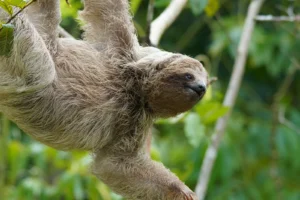
Three-toed sloth on a tree in the Tenorio rainforest, Costa Rica
Three-toed sloth, waiting for it to move
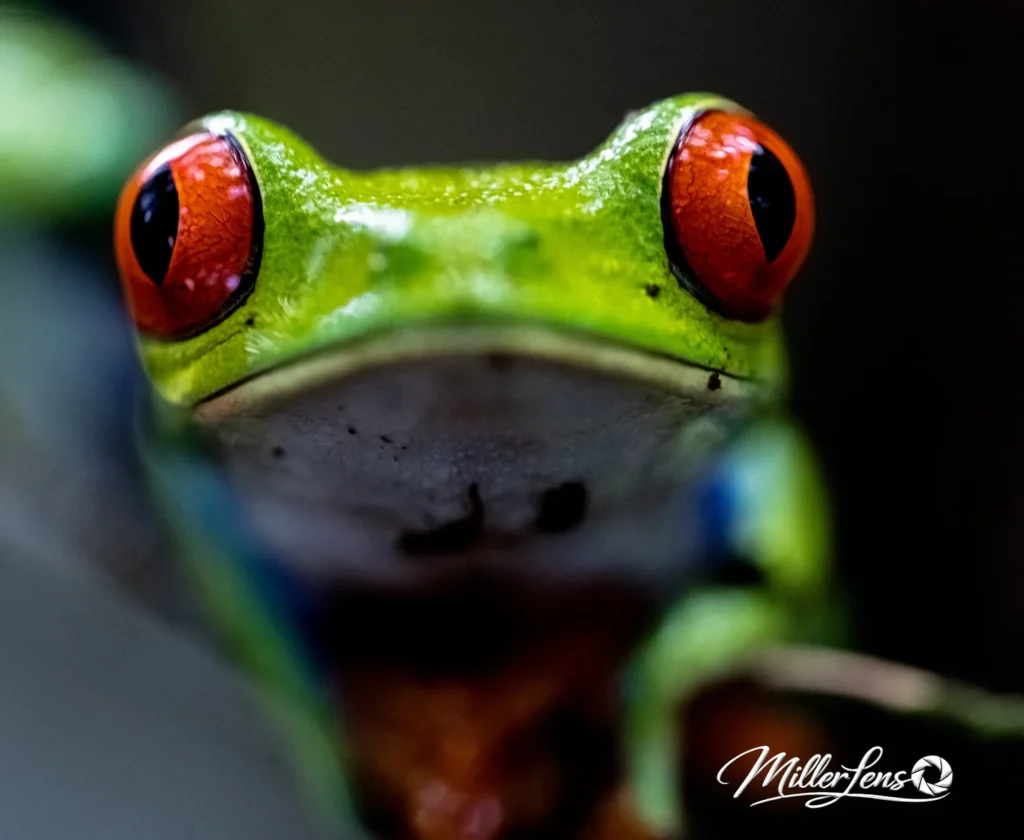
Macro photo of a red-eyed tree frog in the Tenorio rainforest, Costa Rica
Red-eyed tree frog, up close
Strawberry poison dart frog on a yellow flower, Costa Rica rainforest
Strawberry poison dart frog
Eyelash viper coiled among rainforest foliage in Tenorio, Costa Rica
Eyelash viper, shot from a safe distance
Mantled howler monkey resting on a branch in the Tenorio rainforest, Costa Rica
Mantled howler monkey
Slaty-tailed trogon perched in the rainforest, Tenorio, Costa Rica
Slaty-tailed trogon at eye level

Which species appear is up to the forest: recorded, not promised.

Do I need a professional camera?

No. Bring whatever you have — a camera or just your phone. We supply the tripod, binoculars and a spotting scope, and the guidance works for beginners and experts alike.

Who guides the wildlife photography experience?

Two people: a local naturalist who knows where and when the wildlife appears, and our own photographer who helps you with framing, light and settings.

Add it on WhatsApp → See the Rainforest Combo →

Cameras and logistics

What to Bring, and How to Get It Here

For most of our routes one stabilized 100–500 mm or 150–600 mm zoom is enough. Add reach for open fields and mudflats; under the canopy, expect ISO 3200 to 12800.

Lens and starting exposure by habitat
HabitatLens (full-frame)Starting point
Dawn wetland and fields500–800 mmISO 1600–6400 · 1/1000 s · −0.3 to −0.7 EV on white birds
River boat100–500 mm zoom1/1250–1/2000 s even for perched birds; the boat moves
Mudflat at high tide600–800 mm+ISO 100–400 · 1/2000 s · f/7.1–f/8 · −0.7 to −1.3 EV
Dry-forest canopy400–600 mmISO 400–1600 · +0.7 to +1.7 EV against bright sky
Rainforest understory300–500 mm, brightest apertureISO 3200–12800 · 1/250–1/500 s
Hummingbird gardens and decks100–400 mm, short minimum focusPerched 1/500–1/1000 s · hovering: accept wing blur or go 1/4000 s+
Cloud forest in fog400–600 mmISO 1600–6400 · 1/500 s · +0.3 to +0.7 EV

Fly Sansa or drive?

On Sansa domestic flights the free personal item is 4.5 kg (30 × 50 × 20 cm); from 4.5 to 6.8 kg a fee may apply, and above that it must be checked. A 600 mm f/4 kit rarely fits. Fly into Liberia (LIR) and every site on this page is reached by road, with your lenses beside you.

Humidity routine

  • Seal the camera in a zip bag before leaving air-conditioning; open it once it is warm.
  • Overnight: a dry box or sealed bag with indicating silica gel, below 70% humidity.
  • Rain sleeve, lens hood, microfibre cloths; no lens changes in rain or fog.
  • Dry season: change lenses inside the vehicle, blower before cloth.

Good to know

Power is 120 V, 60 Hz, Type A and B sockets. Spare batteries travel in the cabin. Camera repair is in the San José area and we found no long-lens rental in Costa Rica, so bring a backup body. Drones: check current DGAC rules, and many parks restrict them.

Nonstop to Liberia (LIR), by season: Atlanta, Boston, Charlotte, Dallas, Denver, Detroit, Fort Lauderdale, Houston, Los Angeles, Miami, Minneapolis, Nashville, New York, Philadelphia, San Francisco, Seattle, Calgary, Montréal, Ottawa, Toronto, Vancouver, Winnipeg and Zurich. Verify with your airline.

Month by month

Best Time for Bird Photography in Guanacaste, Costa Rica

February to May brings the best light and the most nesting: Liberia averages 277 to 304 hours of sunshine a month in February and March, Jabiru chicks grow at Palo Verde, manakins display and the quetzal peaks in May at Valle de los Quetzales, San Ramón. August to October favours shorebirds and softer light.

Percentages are the share of eBird checklists that recorded the bird: recorded, not promised. Rain and sunshine: IMN normals for Liberia.
MonthLiberia rain · sunLowlandsGulf of NicoyaCloud forest
January1 mm · 298 hFirst Jabiru chicks; leafless canopyMangrove Hummingbird; wintering shorebirdsQuetzal 5% at Valle
February2 mm · 277 hJabiru chicks; windiest monthSkimmer and tern flocksQuetzal 48%; bellbirds arrive
March4 mm · 304 hJabiru peak 37%; manakins startWintering birds thin outQuetzal 77%; hawk-eagle 51%
April24 mm · 267 hYoung Jabirus near adult sizeLight northbound passageQuetzal 69%; nesting
May194 mm · 205 hLong-tailed Manakin 80% at RincónFewer shorebirds; resident heronsQuetzal 85% at Valle
June246 mm · 168 hTurquoise-browed Motmot 59%Fewer shorebirds; resident heronsBellbird 31% at Valle
July153 mm · 186 hDrier canícula morningsFewer shorebirds; resident heronsFew checklists; no claim
August209 mm · 183 hGreen backgroundsFirst southbound shorebirdsFew checklists; no claim
September346 mm · 159 hFall migrants arriveMigration in full swingFew checklists; no claim
October310 mm · 171 hPeak fall migrantsShorebirds; Mangrove HummingbirdFew checklists; no claim
November98 mm · 204 hGreenest landscapesWintering shorebirdsFew checklists; no claim
December12 mm · 260 hWetlands filling with birdsMangrove HummingbirdQuetzal 4% at Valle
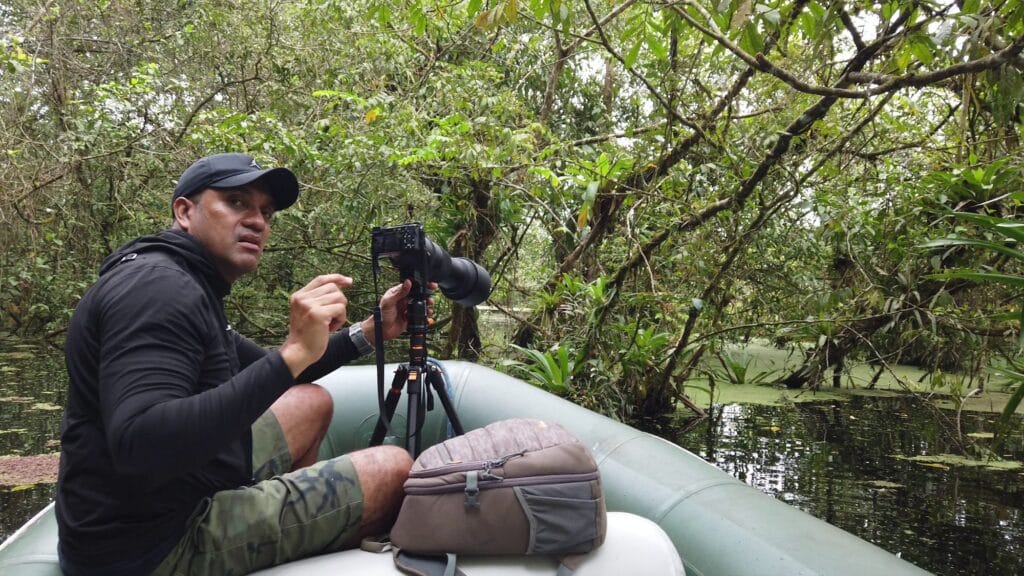
Miller Contreras, naturalist guide and wildlife photographer, adjusting a camera with a telephoto lens in the mangroves of Guanacaste, Costa Rica

Who you go with

Guides Who Photograph

Every photo day is led by one of our own naturalist guides, and they all carry a camera in the field themselves. Their eBird records are public, so you can read them before you book.

Miller Contreras · Naturalist Guide and Wildlife PhotographerBorn and raised in Guanacaste, Costa Rica, guiding for more than 20 years. Leads the photo days and compiles these spec sheets. eBird profile →
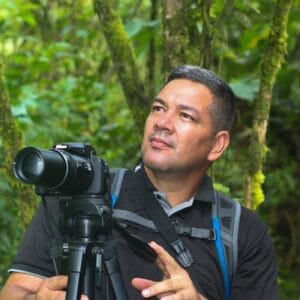
  • Dave Vargas, naturalist guide at Guanadreams CR
    Dave VargasNaturalist Guide and Wildlife PhotographerOne of the sharpest birding eyes on the team: 710 species recorded in Costa Rica. eBird profile →
  • José Vargas Mena, naturalist guide and wildlife photographer in the cloud forest, Guanadreams CR
    José Vargas MenaNaturalist Guide and Wildlife Photographer698 species recorded in Costa Rica, 503 of them photographed. If the photo matters as much as the sighting, ask for José. eBird profile →
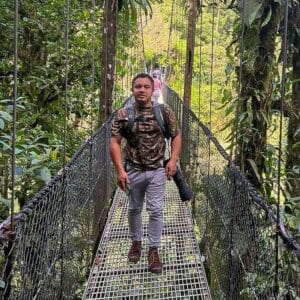
  • Obed Canales, naturalist guide and wildlife photographer on a rainforest hanging bridge, Guanadreams CR
    Obed CanalesNaturalist Guide and Wildlife PhotographerNaturalist and birder, with 582 species recorded across Costa Rica. eBird profile →
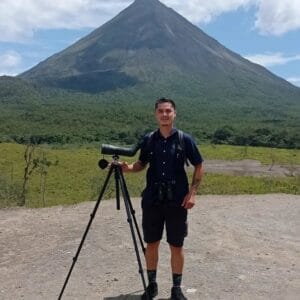
  • Bryan Montoya, naturalist guide and wildlife photographer, birding at Arenal Volcano, Guanadreams CR
    Bryan MontoyaNaturalist Guide and Wildlife Photographer · Tenorio RainforestBorn in Bijagua, he has birded the Tenorio corridor all his life: 599 species logged in Costa Rica. eBird profile →
Nacho and Romain Arias · Valle de los Quetzales, San RamónOur partners at the Valle: the brothers who reforested the valley and know the quetzal’s fruiting trees, with two native Bajo La Paz guides.

Read our field notes: One Morning at Tapir Valley (October 2026) · Five Motmots and Three Toucans in the Tenorio Rainforest (July 2026)

Common questions

Bird & Wildlife Photography in Guanacaste, Costa Rica

What is the best place for bird photography near Guanacaste, Costa Rica?

It depends on the shot. For dry-forest birds, Rincón de la Vieja’s Las Pailas sector, where the Long-tailed Manakin is on 65% of eBird checklists. For waterbirds, Palo Verde by boat. For rainforest hummingbirds and toucans, the Tenorio Rainforest, north of Guanacaste, Costa Rica. For quetzals, Valle de los Quetzales, San Ramón, 3 h 45 from Coco.

Are there bird photography hides or feeders near Liberia?

Not in the dry-forest lowlands. Around Liberia and the coast of Guanacaste, Costa Rica, the hide is our vehicle, a boat on the Tempisque or a low position. A hummingbird-garden platform is at Tapir Valley in the Tenorio Rainforest, 1 h from Liberia, and covered photo decks with feeders are at Valle de los Quetzales, San Ramón.

Can you do a bird photography day trip from Tamarindo?

Yes. From Tamarindo we leave about 1 h before arrival for the Las Trancas fields, 1 h 20 for the Palo Verde boat, 2 h 30 for Rincón de la Vieja and 2 h 45 for Tapir Valley in the Tenorio Rainforest. We usually arrive at 6:30–7:00 a.m.; for true golden hour, we leave earlier.

Can you do a bird photography tour from the Papagayo Peninsula hotels?

Yes. We pick up on the Papagayo Peninsula, at Playa Hermosa, Playa Panamá and the RIU. The Las Trancas fields, where the Jabiru is on 23% of eBird checklists, are 15 to 20 minutes away, Palo Verde’s boat dock is 1 h 20 and Rincón de la Vieja is 1 h 30.

What lens do I need for bird photography in Guanacaste, Costa Rica?

A 100–500 or 150–600 mm zoom covers most days. Add a 1.4x teleconverter or a 600–800 mm for distant wetland and mudflat birds. Under rainforest canopy the light is dim: a male Snowcap at Tapir Valley was shot at 428 mm and ISO 4000. A fixed 600 mm may not focus on close garden perches.

What time of day is best for bird photography in Guanacaste, Costa Rica?

The first two hours after sunrise. Sunrise falls between 5:21 and 6:05 a.m. all year, and the morning golden hour lasts only 40 to 44 minutes. The sun passes 30° between 7:32 and 8:24 a.m., so open wetlands and coast turn harsh by mid-morning. Forest interiors and covered decks stay workable longer.

When is the best time of year for bird photography in Guanacaste, Costa Rica?

February to May. Dry-season light peaks then, Jabiru chicks grow at Palo Verde and Long-tailed Manakins display. In May the Resplendent Quetzal is on 85% of eBird checklists at Valle de los Quetzales, San Ramón, and the Long-tailed Manakin on 80% at Rincón de la Vieja. August to October favours shorebirds and softer light.

Is the rainy season good for bird photography in Costa Rica?

Yes, if you plan around the rain. In Guanacaste, Costa Rica, the green season runs from May to November. Showers usually build after midday, so mornings stay workable, and overcast skies give soft, even light. July is often drier, and September and October bring southbound shorebirds and the Mangrove Hummingbird season.

Where can I photograph a Jabiru in Guanacaste, Costa Rica?

At Palo Verde National Park the Jabiru is on 16% of eBird checklists overall and 37% in March; at the Las Trancas fields near Playas del Coco, on 23%. December to April is best, as falling water concentrates prey. We keep well back from nests and never publish their locations.

Can you see a tapir at Tapir Valley?

Often, but never guaranteed. Baird’s tapirs live in the reserve: about 11 move through Tapir Valley and some 50 through the Tenorio-Miravalles Biological Corridor around it. We saw and photographed one on each of our last two visits. The reserve sits in the Tenorio Rainforest, 1 h from Liberia and 2 h from Playas del Coco.

Can my non-photographer partner come?

Yes. Every day is private, so we set the pace for both of you. The Palo Verde boat, the hanging bridges at Heliconias and the covered hummingbird decks at Valle de los Quetzales, San Ramón are enjoyable without a camera, and partners share the spotting scope and binoculars at every stop.

Do you use flash on birds?

No. We photograph birds in natural light, which is why dawn starts and covered decks matter. A flashlight is used on the separate owl night tour at Valle de los Quetzales, San Ramón. Under rainforest canopy expect high ISO: a male Snowcap at Tapir Valley was shot at ISO 4000.

Do I need a domestic flight to reach these sites with my camera gear?

No. Every site on this page is reached by road from your hotel in Guanacaste, Costa Rica, or from Liberia airport (LIR), so long lenses stay with you. That matters: on Sansa domestic flights the free personal item is 4.5 kg, and anything over 6.8 kg must be checked.

Is Valle de los Quetzales the same as the Valley of the Quetzals in San Gerardo de Dota?

No. Valle de los Quetzales is in Bajo La Paz, north-west of San Ramón town, in Alajuela, at about 1,200 to 1,500 m. The English “Valley of the Quetzals” usually means San Gerardo de Dota, about three hours south of San José. From Guanacaste, Costa Rica, we go to San Ramón: 3 h 45 from Coco.

When do we have to cancel by?

Twenty-four hours before your tour begins, counted from the start time and not the day. Cancel before that and you get a full refund.

How much does a private bird photography day cost?

A private photo day to the sites near your hotel in Guanacaste, Costa Rica (Las Trancas, Palo Verde, Rincón de la Vieja and the Tenorio Rainforest) is US$350 per person. The Gulf of Nicoya salt ponds and Monteverde are quoted for your dates, and the private Valle de los Quetzales, San Ramón day trip is US$1,000 per group of 2. The two-hour wildlife photography session in the Tenorio rainforest is an add-on from US$70 per private group of 2.

Plan your photo day

Send Us Your Dates, Your Lens and Your Target Birds

We will tell you honestly what is realistic for your dates, which site fits your lens and what time we need to leave your hotel.

WhatsApp +506 8540 7408 info@guanadreamscr.com

Private groups only · Hotel and LIR pickup · Based in Playas del Coco, Guanacaste, Costa Rica · Every bird and animal on this page is recorded, not promised.