



The Resplendent Quetzal of Costa Rica
The most dazzling bird in the cloud forest — and one you won’t find on the Guanacaste coast. Here’s where it actually lives, and where we take you to see it.
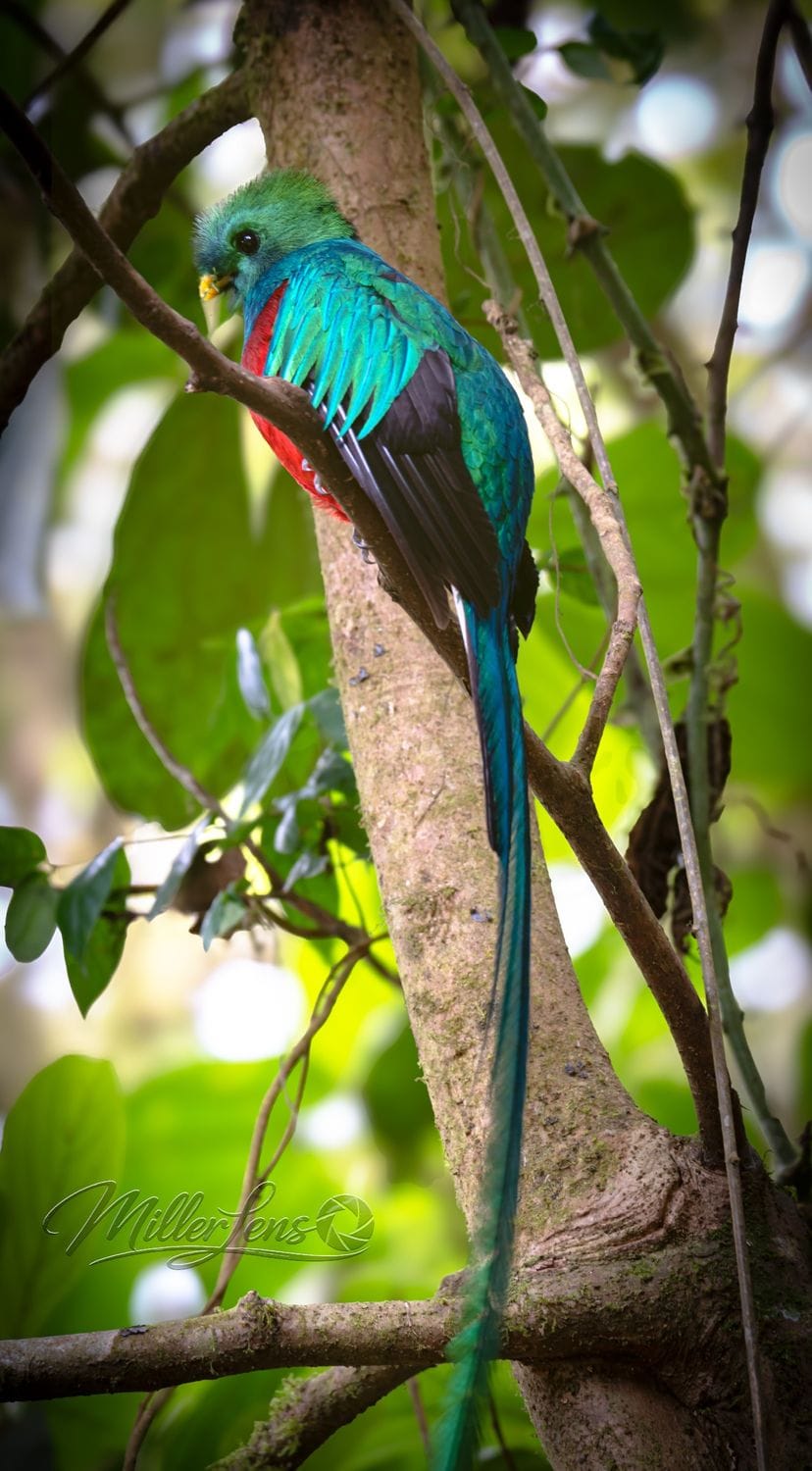
You won’t see a resplendent quetzal on the dry Guanacaste coast — it’s a bird of the high cloud forest, roughly 1,400–3,000 m up, where wild avocado trees grow. The most reliable places in Costa Rica are San Gerardo de Dota (the Savegre valley), Monteverde, and our own Valle de los Quetzales near San Ramón. Best months are February to July, when breeding males carry their full tail streamers.
For a lot of people it’s the one bird on the whole trip — a foot of shimmering green and crimson that looks almost too much to be real. The Maya thought so too: they tied its feathers to gods and to freedom, and never killed it. To this day the resplendent quetzal is the great prize of Central American birding.
Here’s the honest part, and it matters: the quetzal is not a Guanacaste bird. I was born and raised on this coast, and it never once showed me a quetzal here — the coast is dry forest and beaches, and the quetzal needs cool, misty, high forest. What follows is what it actually is, where it truly lives in Costa Rica, and where we take you up to find it.
The dry Guanacaste coast
Beaches, tropical dry forest, warm and seasonal — beautiful, but low and dry. There are no wild avocado trees and none of the cool cloud-forest air a quetzal depends on. You’ll meet plenty of birds here; the quetzal isn’t one of them.
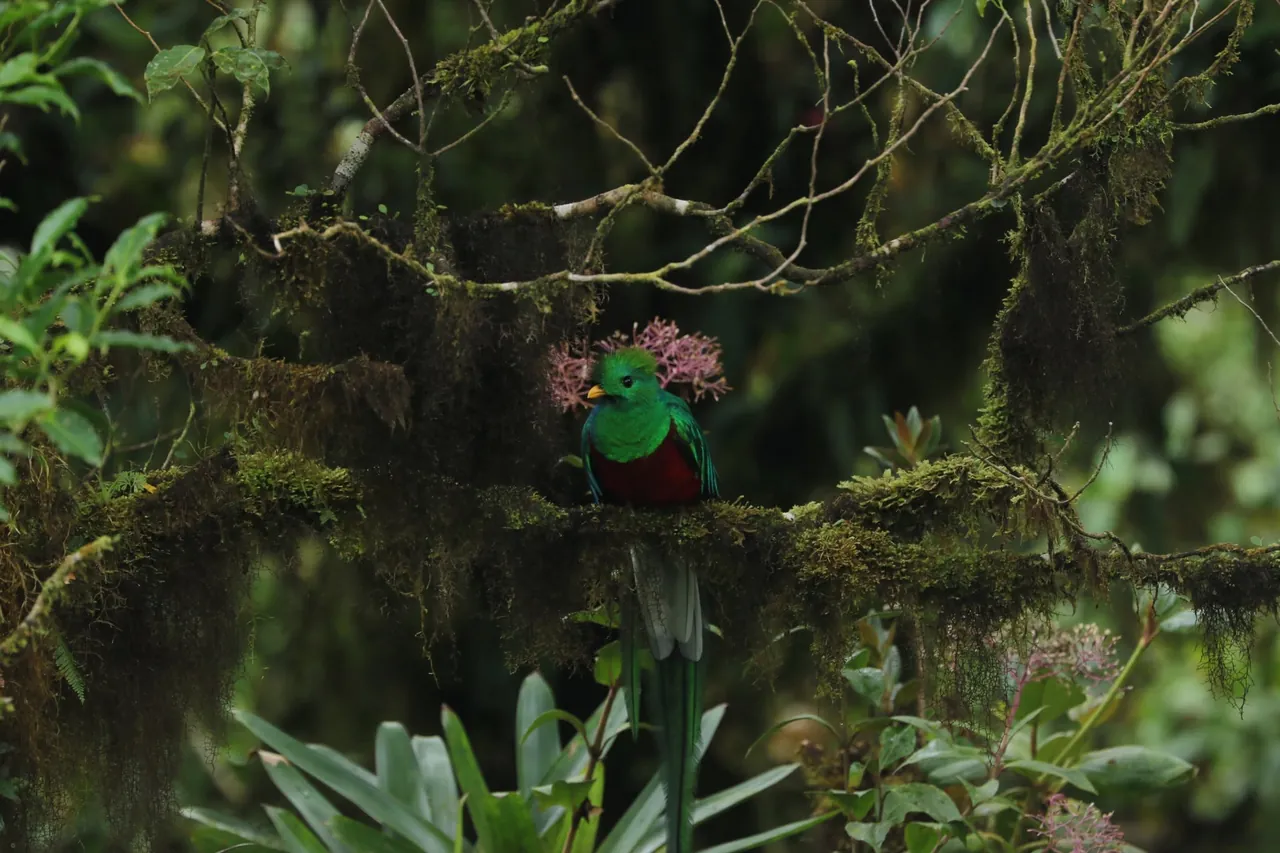
The high cloud forest
Climb to 1,400–3,000 m and the forest turns misty, mossy and cool, with fruiting Lauraceae (wild avocados). This is quetzal country — San Gerardo de Dota, Monteverde, and our Valle de los Quetzales near San Ramón.
| The “tail” | Not a tail — two enormously long upper tail coverts that trail behind the short body. The real tail is stubby, white underneath. |
|---|---|
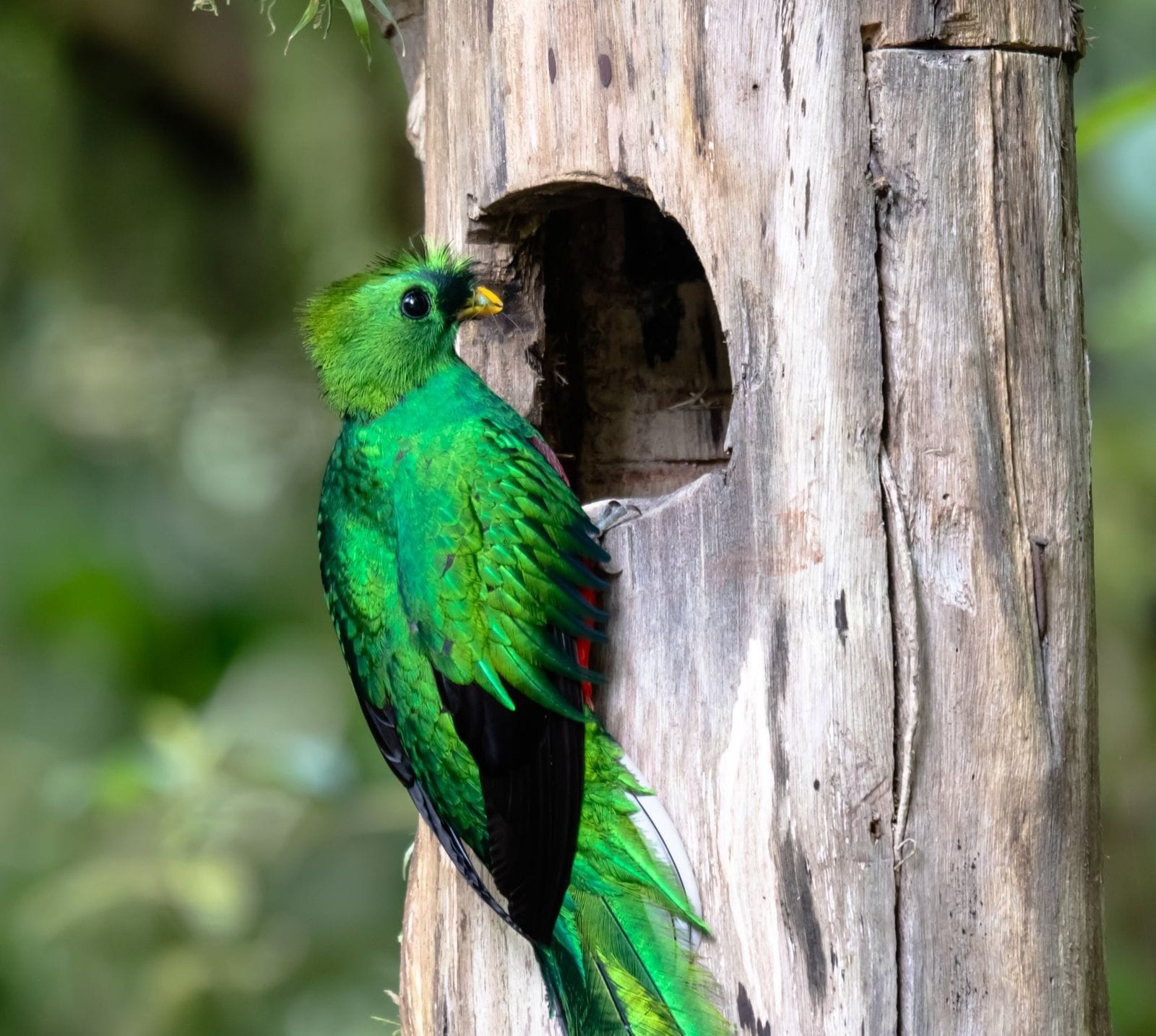
| Diet | A wild-avocado (Lauraceae) specialist and key seed disperser; chicks start on insects and small lizards, then switch to fruit. |
| The colour | Structural iridescence, not pigment — the green fires up gold, blue or violet depending on the light. |
| National status | The national bird of Guatemala (its currency is the quetzal). In Costa Rica it isn’t a symbol, but it is protected. |
Three things people get wrong
The bird that, legend says, will not live in a cage — only in the free, high forest.
The Maya and Aztec prized its coverts above gold and let the bird fly free. That old story carries a modern truth: to meet a quetzal you go to it, on its terms, in the cloud forest — it never comes down to you.
Why the quetzal is hard to find
It isn’t rare so much as particular. Three things have to line up — which is exactly why the search is part of the reward.
It lives high
Only in cool, mature cloud forest between about 1,400 and 3,000 m — you have to climb to its world.
It follows the fruit
An avocado specialist that shifts up and down the mountain with the season, so timing is everything.
It sits still
Between meals it perches motionless for long spells, blending into the mossy green — it hides in plain sight.
That’s why a good sighting is measured in minutes, not hours — and why a patient guide who knows the fruiting trees changes everything.
The two minutes that felt like a lifetime
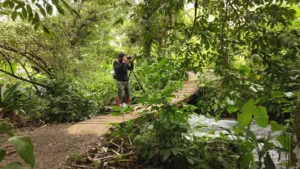
I’m from Guanacaste, born and raised on this coast — and for all those years, home never once showed me a quetzal. When I finally fell for birds, I decided to go and find it: up to the Valle de los Quetzales, in San Ramón de Alajuela. It wasn’t nesting season, so there were no shortcuts — we walked into the forest for about two hours before it appeared. And then, there it was. It perched for maybe two minutes, and lifted off again. Two minutes. But this was the bird I’d wanted to see, to photograph, to just watch, my whole life — and those two minutes were the greatest high of my birding life. To me it felt like a full day of it sitting there. That’s what happens when you love what you do and you love the forest: the wild gives you a little, and it’s everything.
The quetzal is never a promise — it’s a pilgrimage. And when it comes, two minutes feel like a lifetime.
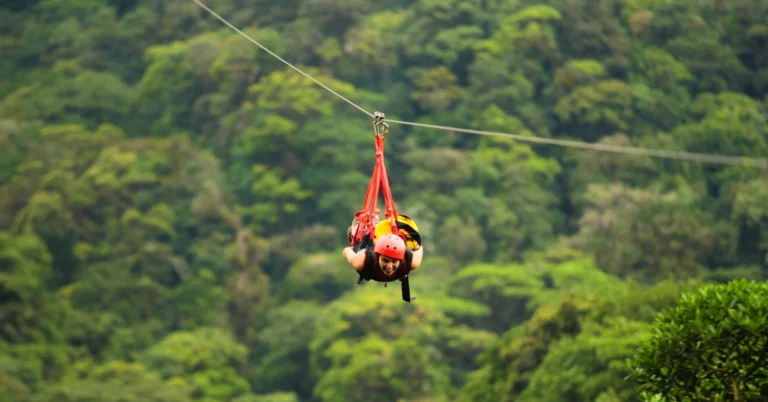
Private tour from Guanacaste
Monteverde Cloud Forest Experience
A private day up in the Monteverde cloud forest, quetzal country: the cloud forest hike and hanging bridges, canopy zipline and butterfly garden, with your own naturalist guide and transport from your hotel.
Other jewels of the cloud forest
Three-wattled bellbird
An ear-splitting “bonk” that carries across valleysViolet sabrewing
A giant purple hummingbird of the mossy edgesEmerald toucanet
A small green toucan of the high forestCollared trogon
The quetzal’s smaller, closest cousin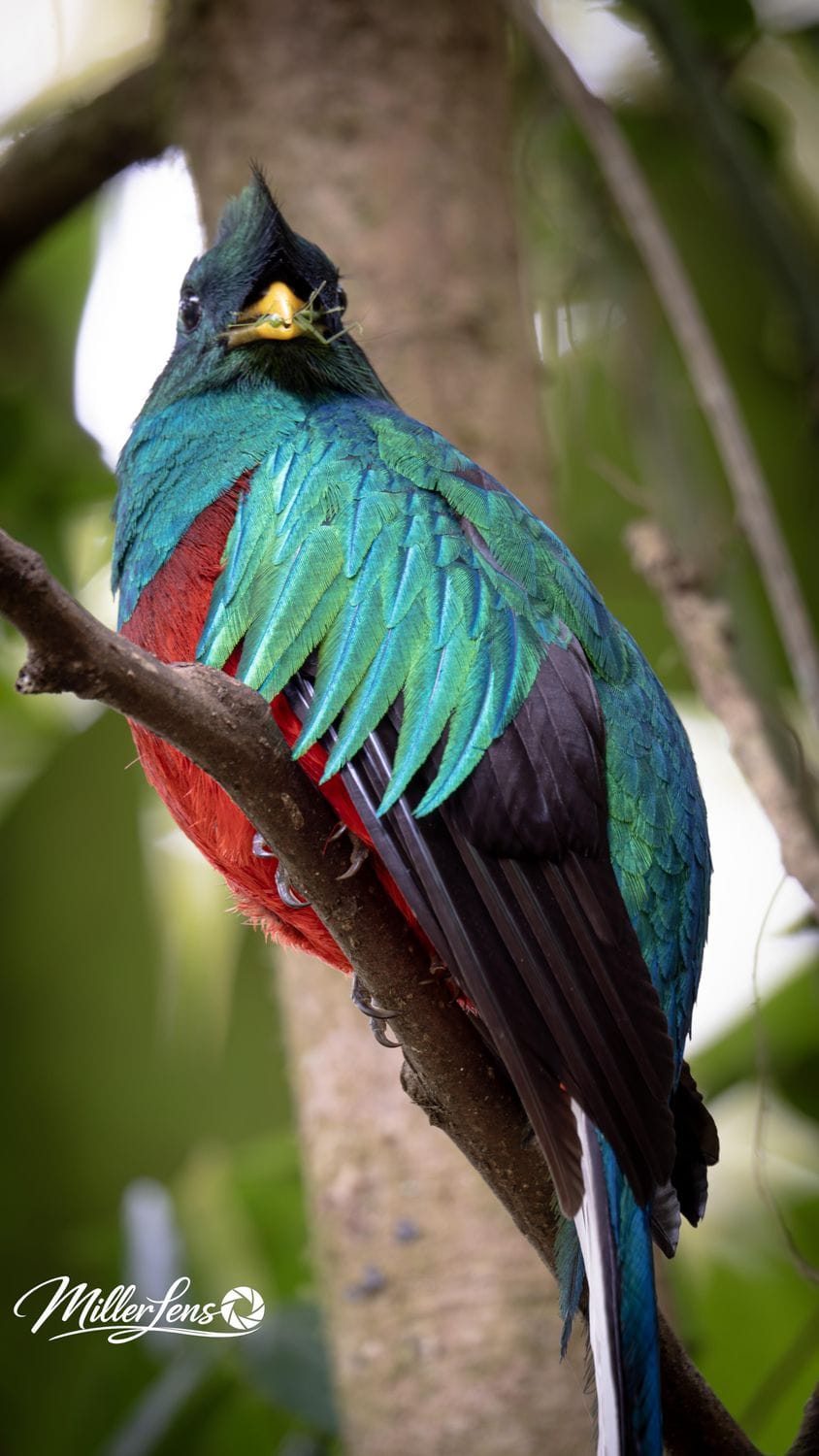
Go up, and go early
Mornings near fruiting avocado trees are best. The bird follows the fruit, so a guide who knows this year’s trees is worth more than luck.
Bring a scope and patience
Your guide finds the perch and steadies it in the scope, so everyone gets the view — and the photo — without crowding the bird.
Come in season for the tail
February to July the males wear their full streamers, with the peak around March to May.
We watch — we don’t disturb
No call playback and no baiting, and we keep a real distance from nests during breeding. A quetzal pulled off its nest or worn down by recordings is a bird that fails to raise its chicks. Seeing it undisturbed, on its own terms, is the whole point.
Resplendent quetzal — quick questions
No — the quetzal is a high cloud-forest bird (about 1,400–3,000 m) and doesn’t live on the dry Guanacaste coast. To see one you travel up to Monteverde, San Gerardo de Dota, or our Valle de los Quetzales near San Ramón.
February to July, the breeding season, when the males grow their full tail streamers. The peak is roughly March to May.
San Gerardo de Dota, in the Savegre valley, is the most reliable spot year-round. Monteverde and our Valle de los Quetzales are excellent too, and quieter — more intimate, and better for photos.
No — Costa Rica’s national bird is the clay-coloured thrush (yigüirro). The quetzal is the national bird of Guatemala; in Costa Rica it isn’t a symbol, but it is protected.
Come up and find it with us
The quetzal lives above the coast — so we take you up to meet it, in the cool cloud forest of Monteverde and our own Valle de los Quetzales. Tell us where you’re staying in Guanacaste and we’ll build the day around you.