




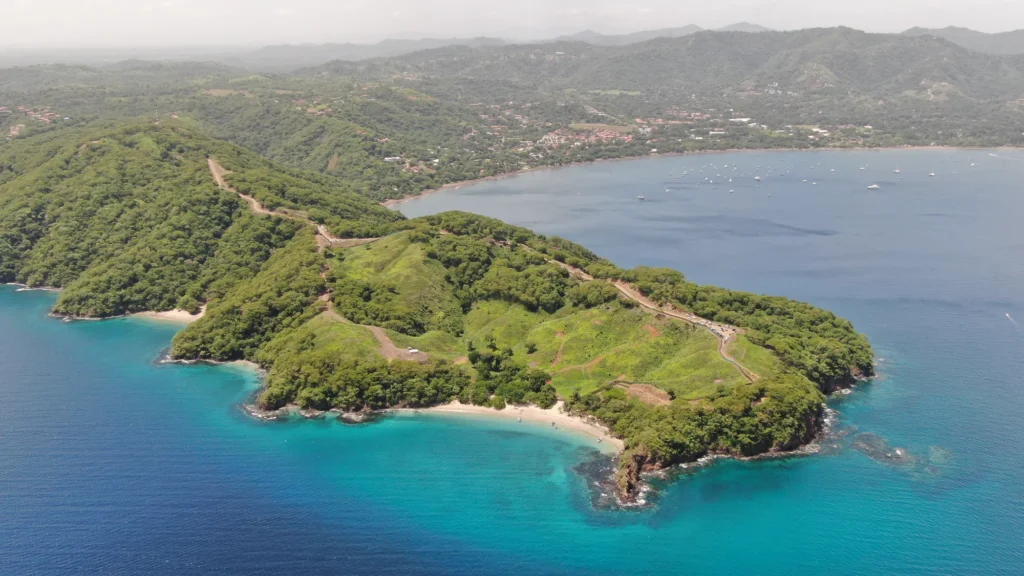
July is one of the driest stretches of Guanacaste's green season. Around mid-month the canícula brings a longer dry, sunny window, and some years it nearly joins June's Veranillo de San Juan. The land is deep green, the rivers still run full, and the olive ridley arribadas begin. July 25 is Guanacaste Day, the province's biggest celebration, with Liberia at its center. It's school-holiday time in Costa Rica, so expect local families at the beaches and book ahead. Best tours this month: Tenorio and Río Celeste, and birding and wildlife outings. Best for: travelers who want green, sun, culture and value in one trip.
July: the canícula window
July is green season — but here in the north Pacific, that word needs an asterisk. This is one of the driest stretches of the whole “rainy” calendar. Around mid-month comes the canícula, a longer dry, sunny window that follows June’s Veranillo de San Juan; some years the two nearly join into one long spell of bright mornings and light afternoons. It’s the green landscape with much of the sunshine — one of the best-kept secrets on the calendar.
The canícula, and what our grandparents knew
Costa Ricans have a name and a whole folklore for this mid-summer dry spell. The old farmers called it a tiempo loco — “crazy weather” — and said the earth fell sick, the wind carried illness, wounds wouldn’t heal. Ask an elder here and you get the real story behind the myth: the canícula dried the young plantings out, so people simply didn’t sow during it — they harvested what they’d planted before, and waited. The superstition was farming wisdom in disguise. In our fishing town of Playas del Coco it meant something different again: the land didn’t suffer, but the wind came up hard, and heading out to fish through those gusts was the real challenge. That’s the kind of knowledge that lives in a place, not in a guidebook.
Corn month
The maize planted back in June comes in now, and the roadsides fill with local vendors selling everything the fresh elote can become — rosquillas de elote, pan de elote, corn in a dozen shapes. It’s the taste of July here, and pure Chorotega tradition.
The forest and the wildlife
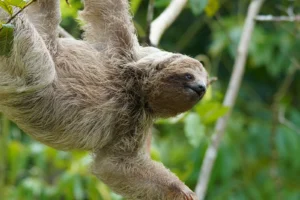
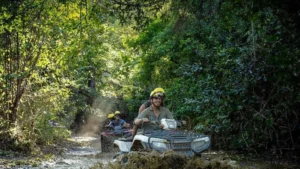
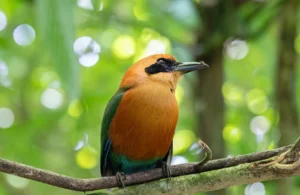
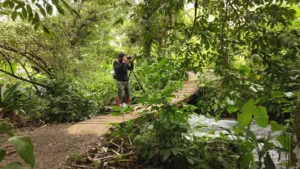
The land is deep green and fed, and the canícula‘s clear mornings are prime time to be out: howler monkeys calling, capuchins in the canopy, frogs after the afternoon rain, and birds raising this season’s young. The rivers still run full — Río Celeste at its turquoise best, and the Tenorio rainforest around it is where we go looking for sloths. Explore Tenorio & Río Celeste on our rainforest experience. Our bird-watching & wildlife outings make the most of those bright mornings.
Offshore, the turtles begin
July is when the arribadas start — the mass nesting of olive ridley turtles on the Pacific. The truly enormous arrivals come August through November, and they run on the moon as much as the calendar, gathering around the last-quarter moon and the dark nights before the new moon. It’s why no one can promise you a date — you read the moon, not the calendar. One of the two main arribada beaches in Costa Rica sits inside Santa Rosa’s dry forest at Playa Nancite; the famous one, Ostional, is a couple of hours south. Discover the dry forest on our bird-watching & wildlife experience.
Guanacaste Day and the Virgin of the Sea
July 25th is the Annexation of the Partido de Nicoya (1824 — two centuries in 2024), popularly called Día de Guanacaste. It’s the day Nicoya and Santa Cruz voted, in an open town meeting, to join Costa Rica — peacefully, by choice, under the motto “De la Patria por nuestra voluntad.” Liberia holds the biggest celebrations: topes, corridas a la tica, marimba, folk dancing, fireworks. And earlier, on July 17th, our own Playas del Coco honors the Virgin of the Sea — fishermen carry her image out onto the water in a procession of boats. It’s a quieter tradition now than in my childhood, when this was a town of fishermen and the whole village turned out — but it’s still ours, and it still means everything to those of us who grew up with it.
Is July worth it?
July may be the single smartest month to come. You get green landscapes with a real dry window (the canícula), the province at its most festive and proud, thin green-season crowds, low prices, and the turtle season just beginning. It’s Costa Rica school-holiday time, so expect Tico families at the beaches — book ahead. But for green, sun, culture, and value all at once, July is hard to beat.
← June · Full month-by-month guide · August →
Planning a July trip? Design your experience with us →
By the Guanadreams team, led by Miller Contreras — naturalist guide, born and raised in Guanacaste.