




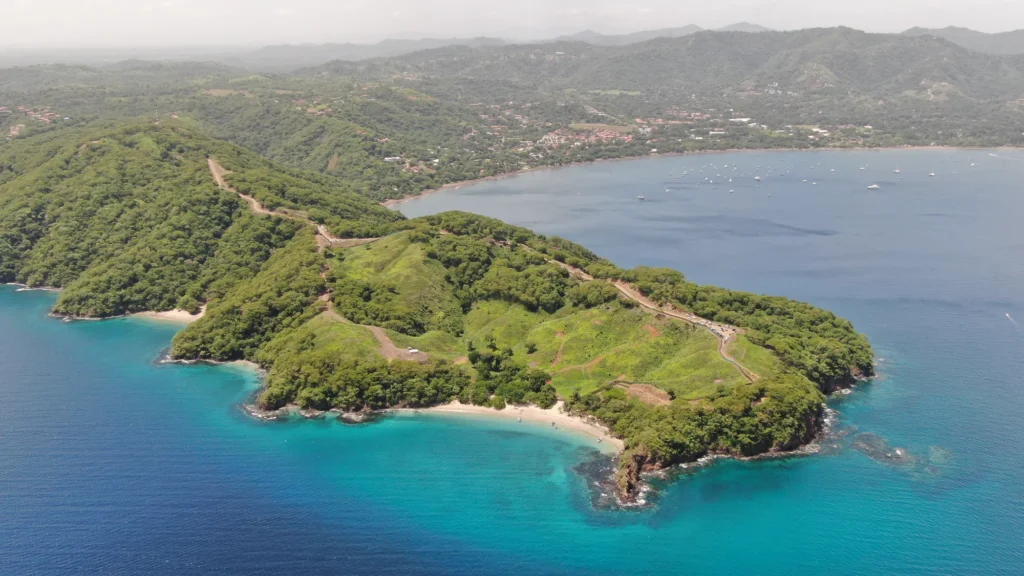
May is when the green season begins in Guanacaste. The first real rains usually arrive mid-to-late month, and they keep a schedule: bright, clear mornings and a warm shower in the late afternoon. Within weeks the golden forest turns deep green, the May beetles and baby garrobos appear, and the guava and mango trees fruit. It turns humid, the whales have gone, and it's a quiet month at sea. The upside: high season is over, the crowds thin, and prices often drop by a third or more. Best tours this month: birding and nature walks as the forest wakes up. Best for: travelers who want Guanacaste at its greenest and most affordable, and don't mind an afternoon shower.
May: the switch to green
May is the switch. After five months of dry, the first real rains arrive — in northern Guanacaste, our coast, among the last regions in the country, usually mid-to-late month. (April gives a few scattered drizzles; May is when the rainy season truly begins.) We call it the rainy season, but here that’s almost a misnomer: it’s the least rainy corner of Costa Rica, and the rain comes on a schedule you can plan around — bright, clear mornings, a warm shower in the late afternoon, and done. It turns humid, genuinely humid. But that’s the trade for what the rain brings.
A different world
And what it brings is a different world. Within weeks the golden, bare forest of March turns deep green. The hills, the pastures, the whole province go luminous — that magical green that photos never quite capture. If you saw Guanacaste in the dry season, you would not recognize it now. We’re among the very few who can show you both.
The forest wakes all at once
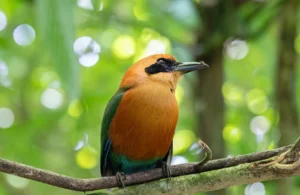
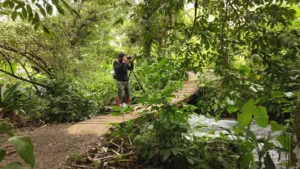
The forest wakes all at once. This is the miracle of May: the first rain flips a switch and life erupts. The abejones de mayo — May beetles — burst out of the ground with the first storms, clumsy and everywhere; for every Costa Rican, they are the sound and sight of the season turning. Baby garrobos (black spiny-tailed iguanas) hatch from the softening earth right as the rains begin. Frogs that were silent for months suddenly fill the night. The forest changes its soundtrack in a matter of days — the season we most love to share on our bird-watching & nature walks.
The sweet months: guava and mango
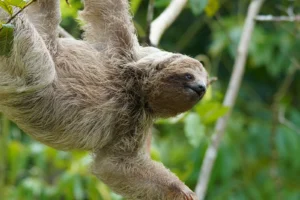
The sweet months. May is when the guayaba (guava) trees fruit and the trails fill with their unmistakable sweet scent — hikes become foraging, bags filling with ripe guava along the way, howler monkeys feeding on it overhead. The mangoes ripen too, and the white-faced capuchins go looking for them.
A note on the sea
A note on the sea. Be honest with yourself about the ocean in May: the northern whales have gone (they leave in April), and it’s a quiet stretch for turtles before the big nesting season later in the year. The sea is calm and warming — lovely for a morning swim before the afternoon clouds — but May is a land month, not a marine one.
The smell of wet earth
The smell of the season. If the dry season is the sweet smell of burning cane, the green season opens with the other great scent of Guanacaste: wet earth on the first rain. Two smells, two seasons. Nobody tells you a place by how it smells — but that’s how you remember it.
Is May worth it?
May is the smart traveller’s secret. High season is over, so the crowds thin and the prices drop — often by a third or more — right as the land turns its most beautiful. You trade guaranteed sun and whales for green hills, full colour, active wildlife, and space to breathe. If you want Guanacaste at its most alive and its most affordable, and you don’t mind a warm afternoon shower, come in May. It’s one of our favourite months, and hardly anyone knows it.
← April · Full month-by-month guide · June →
Planning a May trip? Design your experience with us →
By the Guanadreams team, led by Miller Contreras — naturalist guide, born and raised in Guanacaste.